In the Kitchen
Culinary Delights
One lump or two?
Afternoon tea is a civilised affair: all the sophistication of smart entertaining, but in a relaxed setting, whether that is your sitting room or the garden on a warm afternoon. Here I have gathered everything you need to host one at home: my sandwich, canapé and cake recipes, a simple plan for what to make when, and a few ideas for laying a pretty table.
Follow the whole plan, or go straight to a single recipe. Each one opens with its own ingredients and method, and several have a video so you can watch me make it.
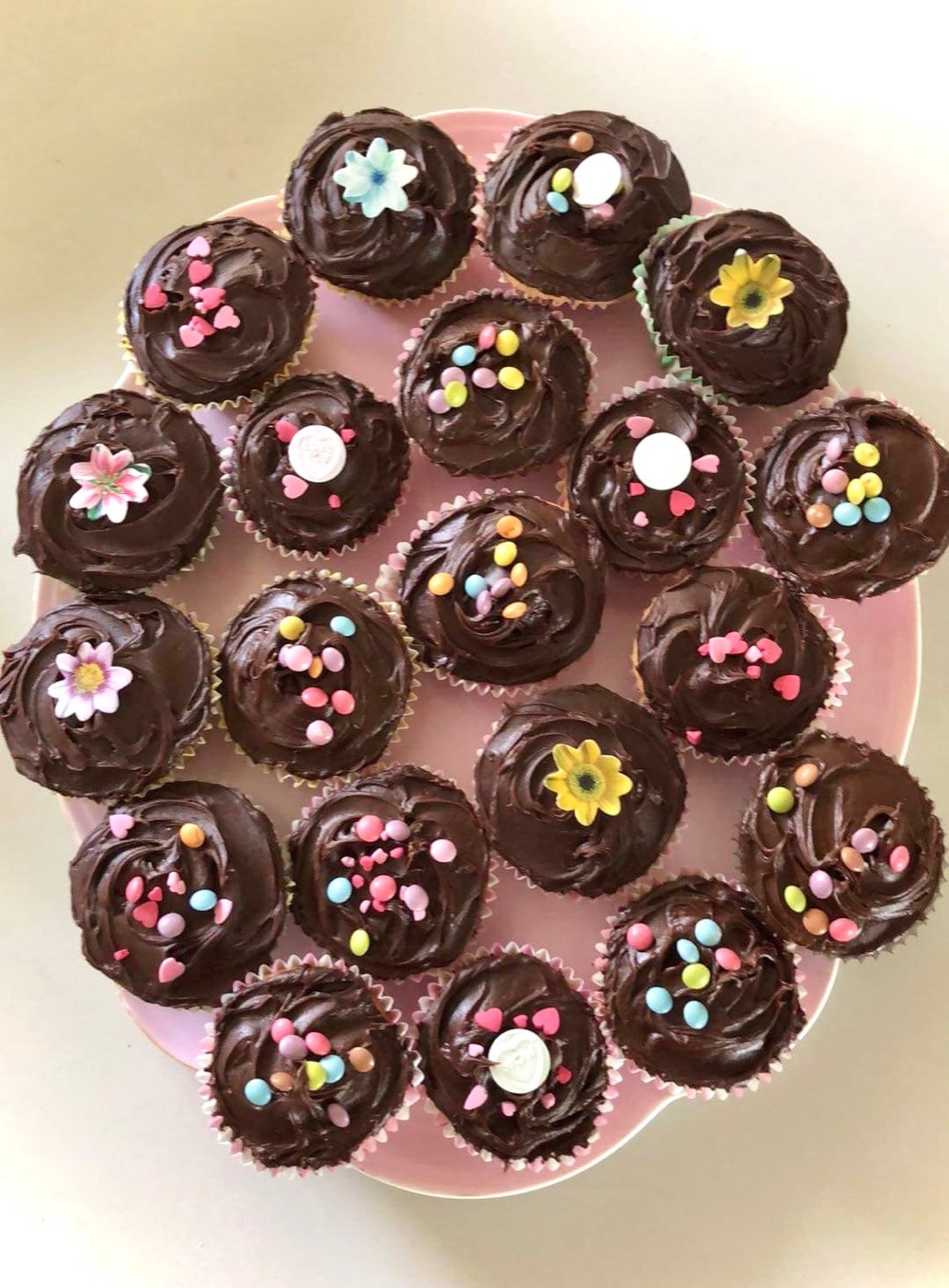
A classic afternoon tea is served in three courses, from savoury to sweet: delicate finger sandwiches first, then a few savoury bites, and finally the cakes. I like to offer three or four kinds of sandwich, one or two canapés and two cakes, so there is plenty of choice without the kitchen taking over the day.
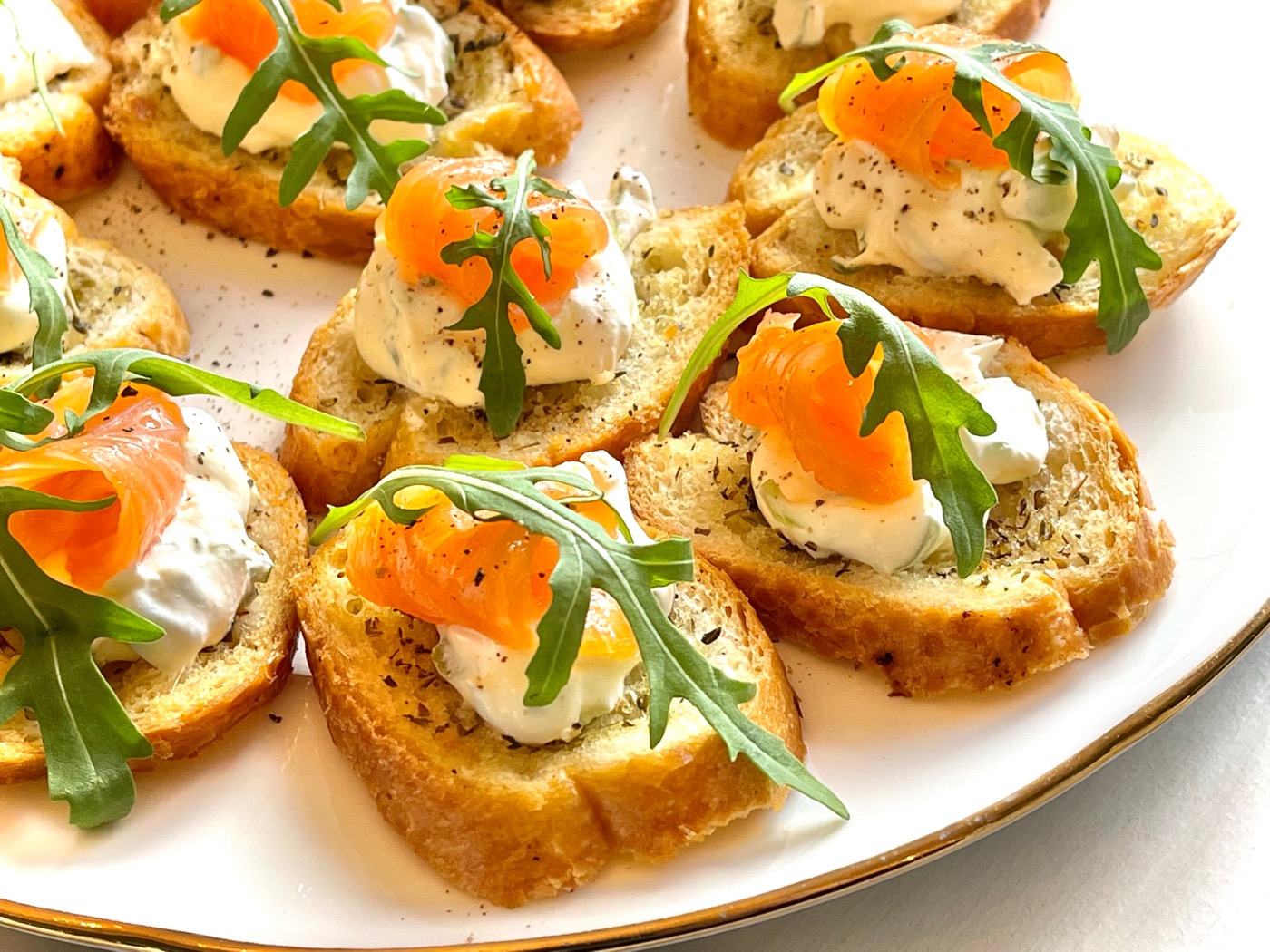
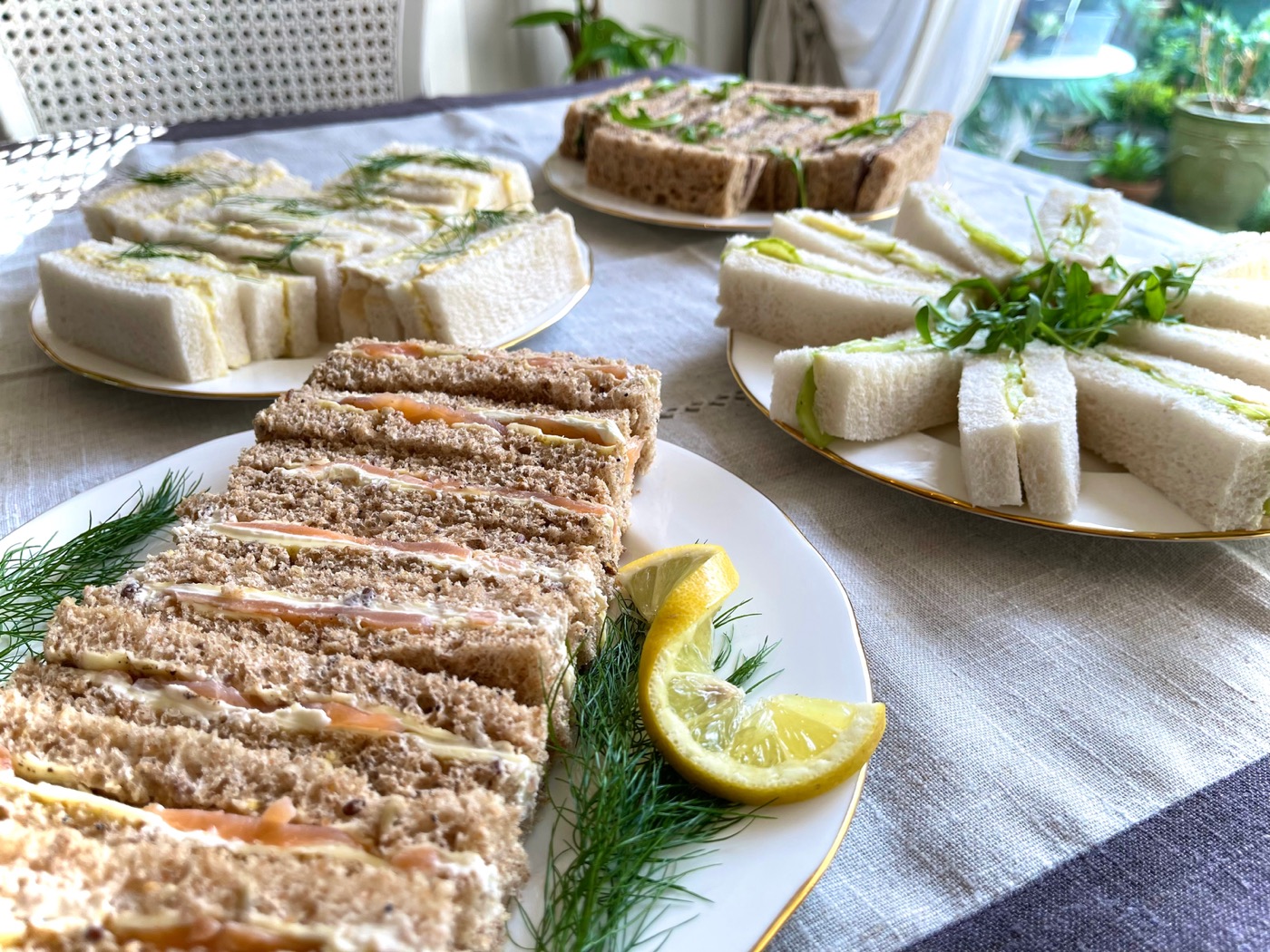
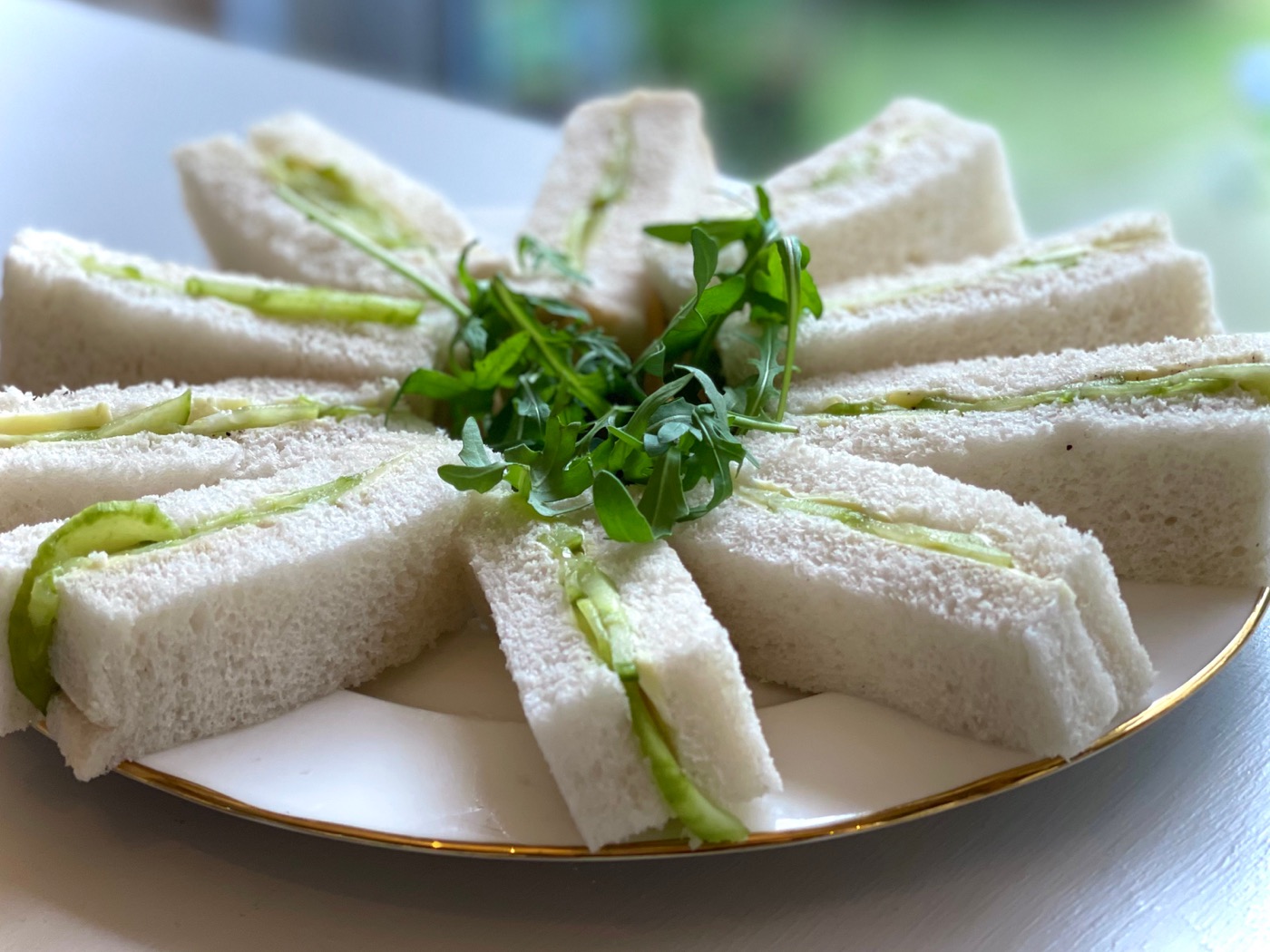
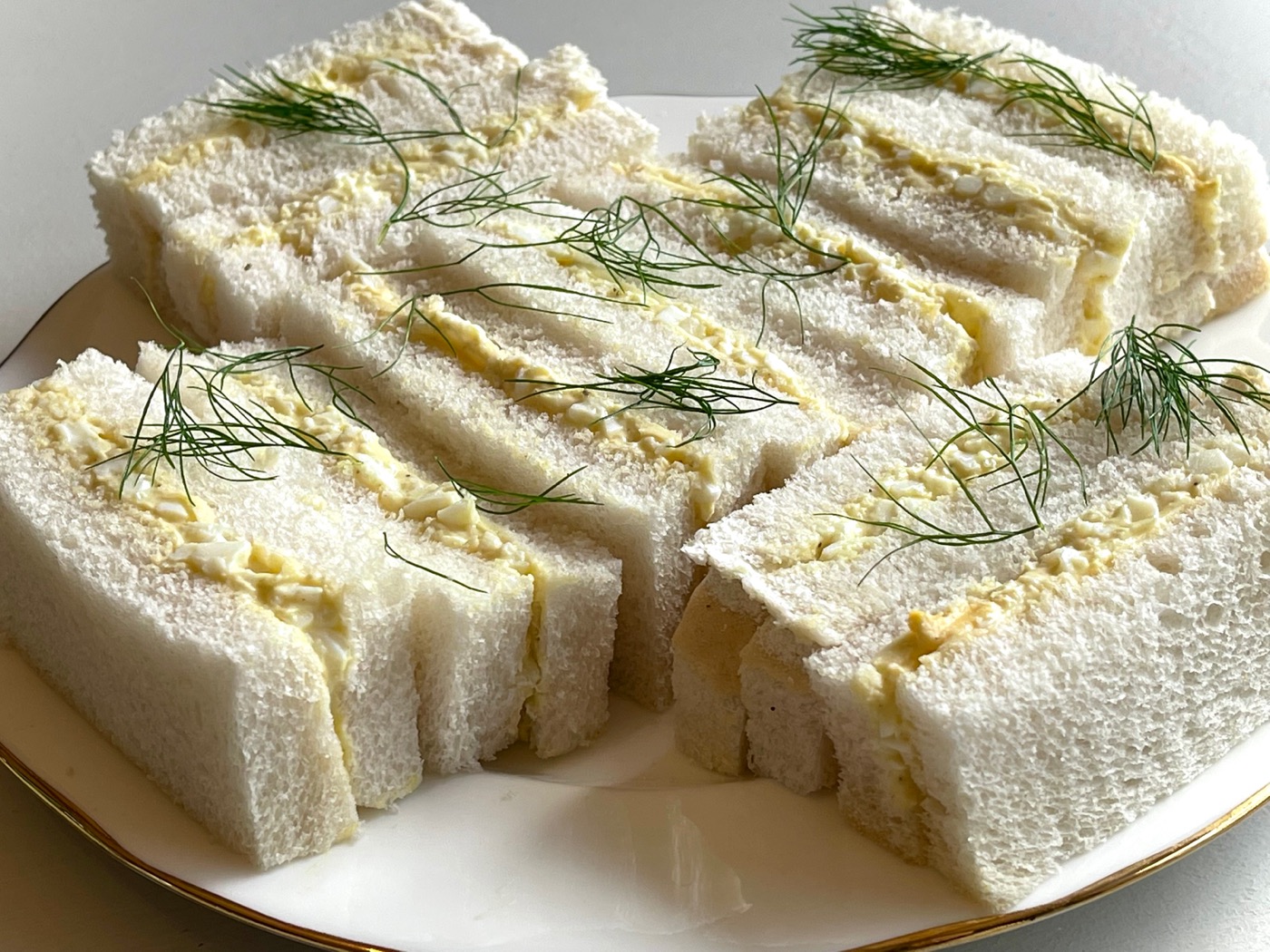
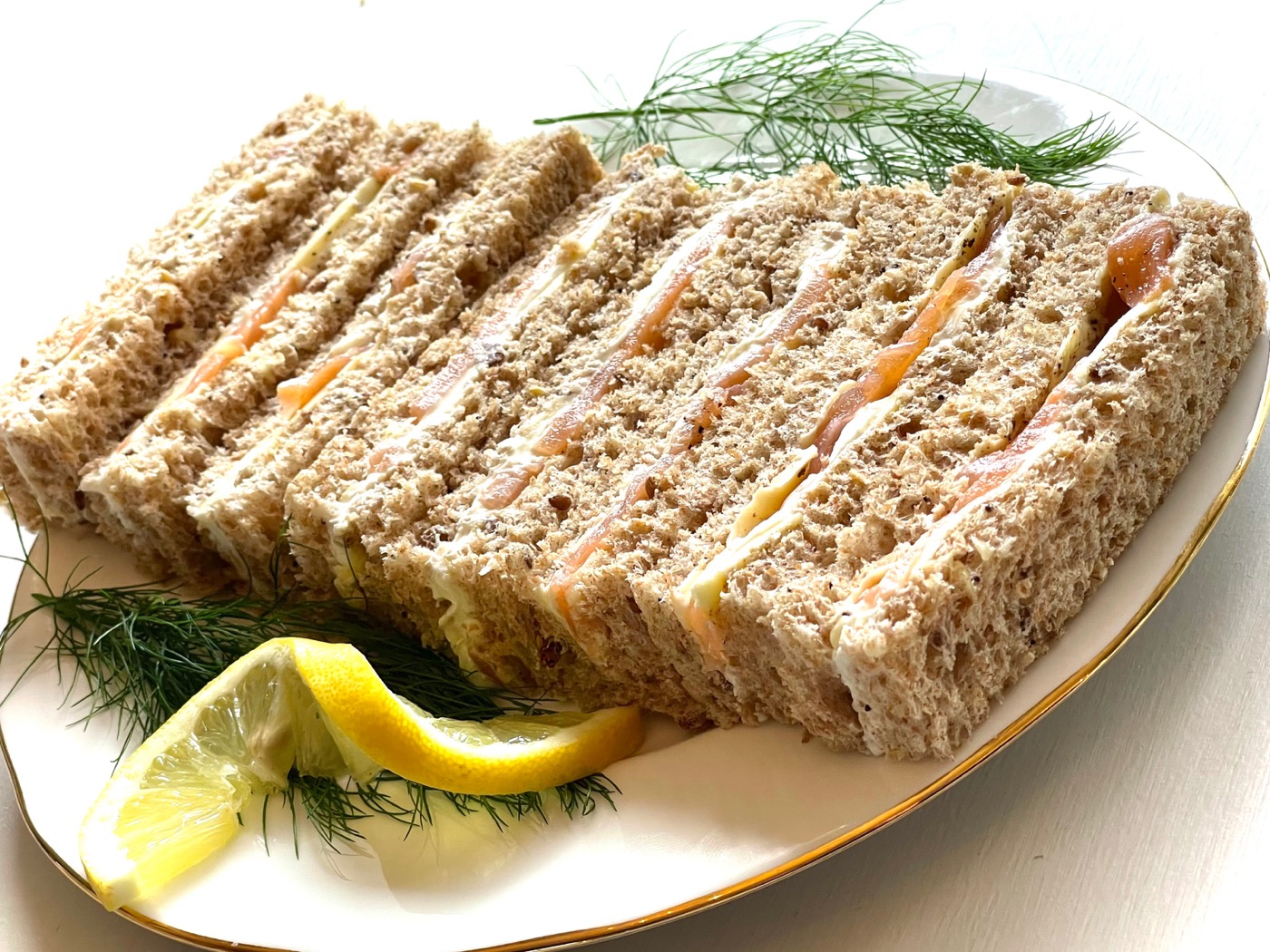
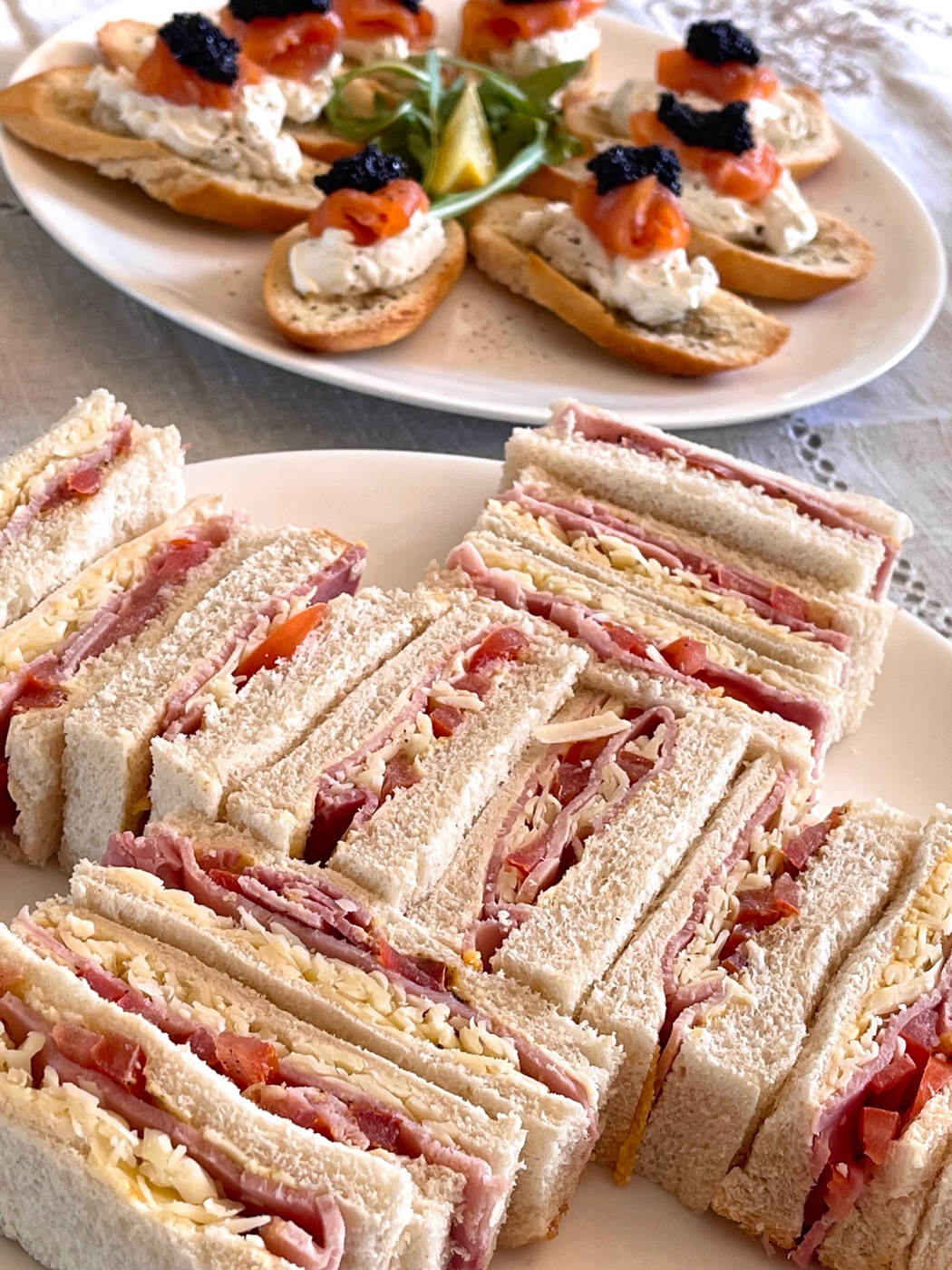
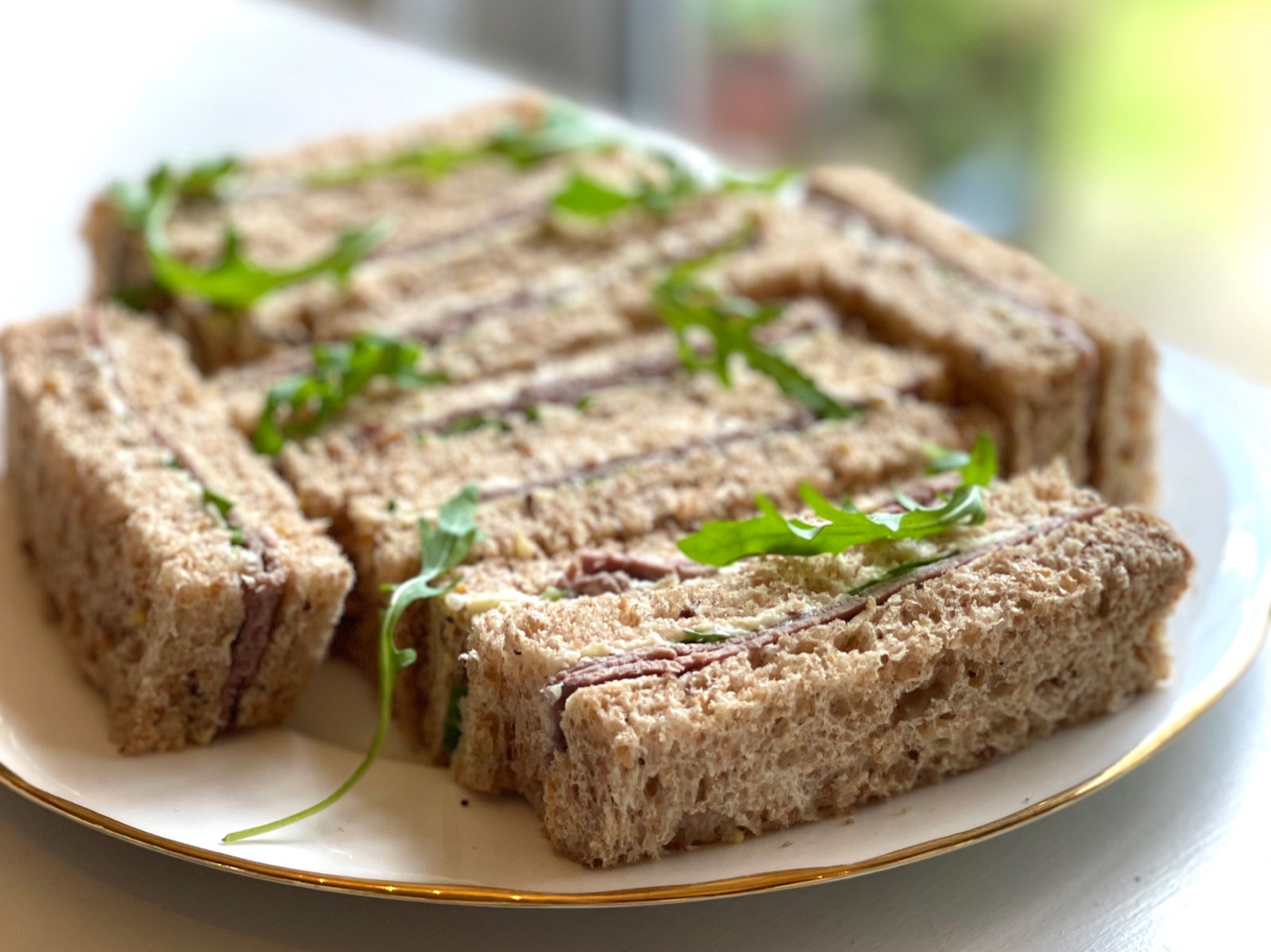
For the sandwiches, the cucumber sandwich is the aristocrat of the tea table, egg and cress is the classic everyone loves, and smoked salmon with cream cheese and a hint of lemon brings a touch of elegance. Add ham, cheese and tomato with a little English mustard, or roast beef with horseradish and watercress, for something more substantial.
In the Kitchen
In the Kitchen
In the Kitchen
In the Kitchen
In the Kitchen
In the Kitchen
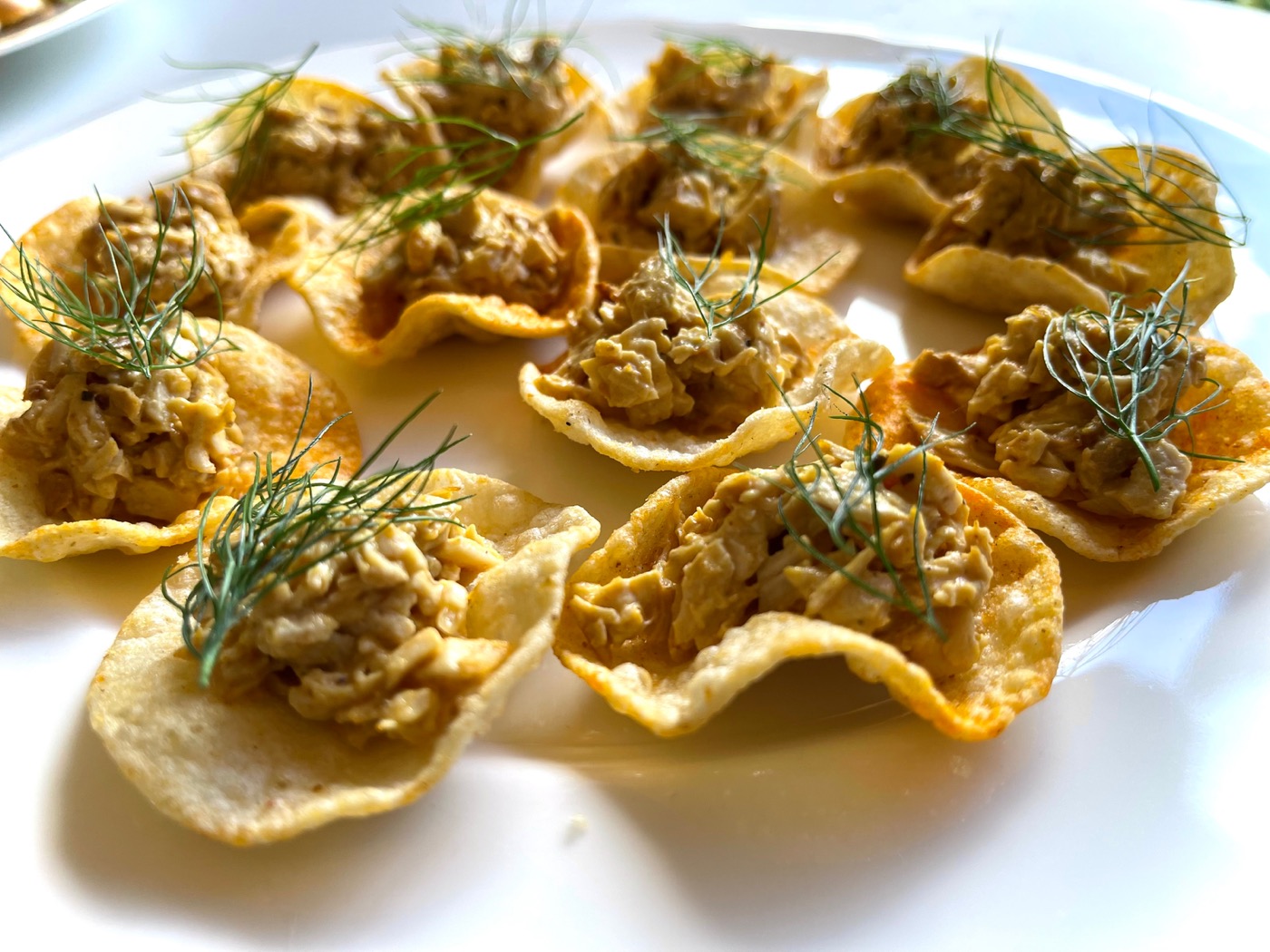
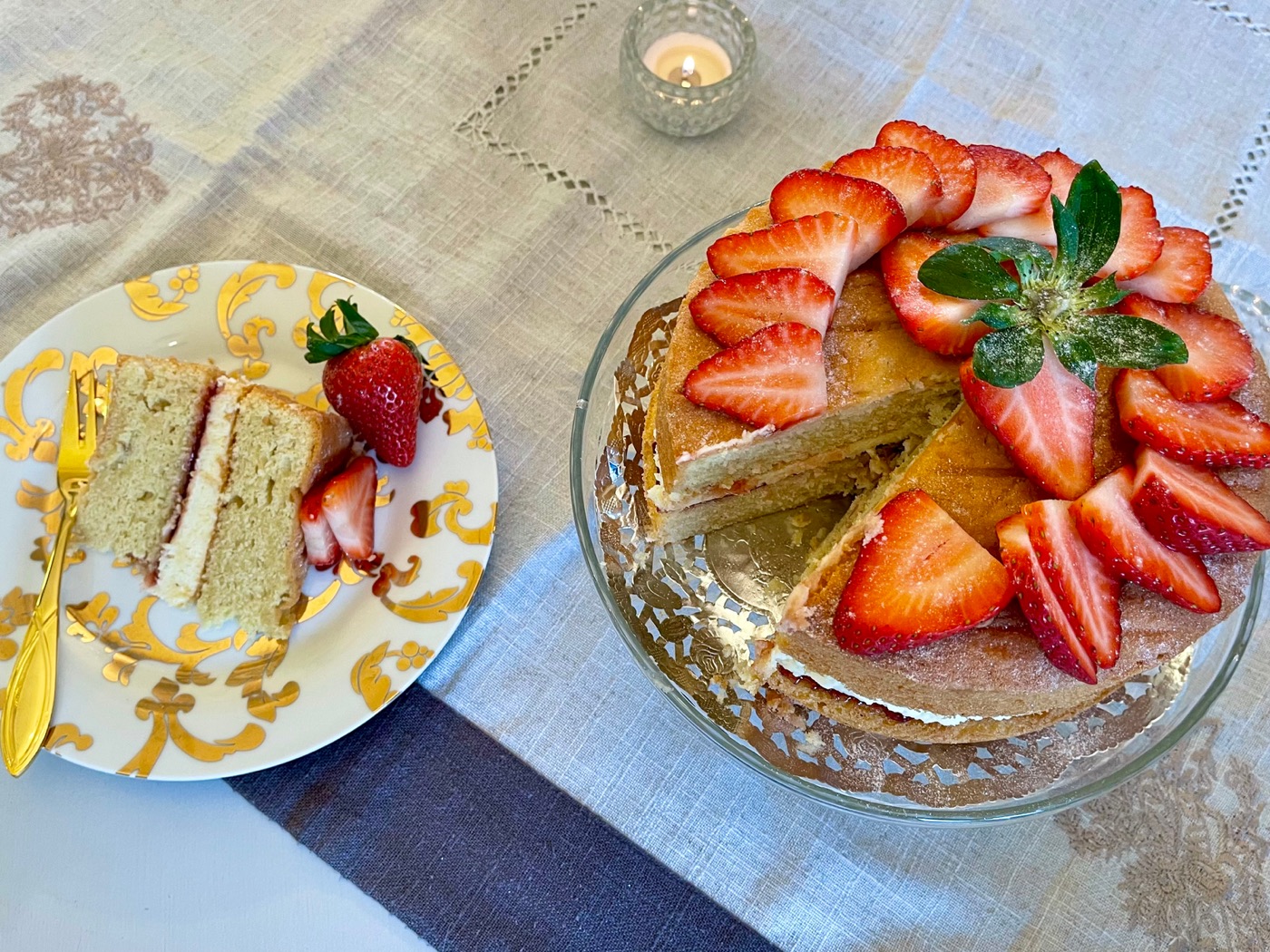
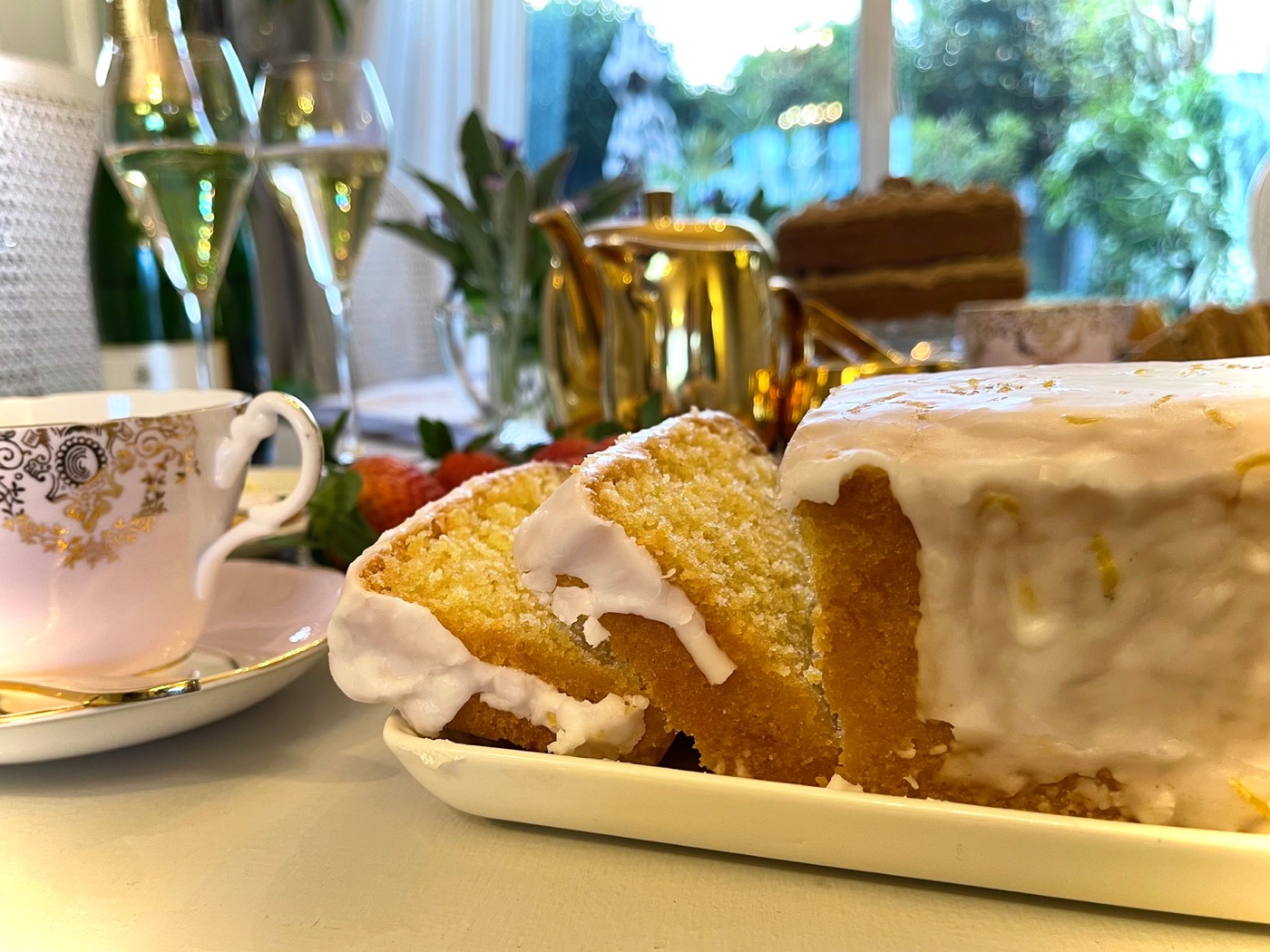
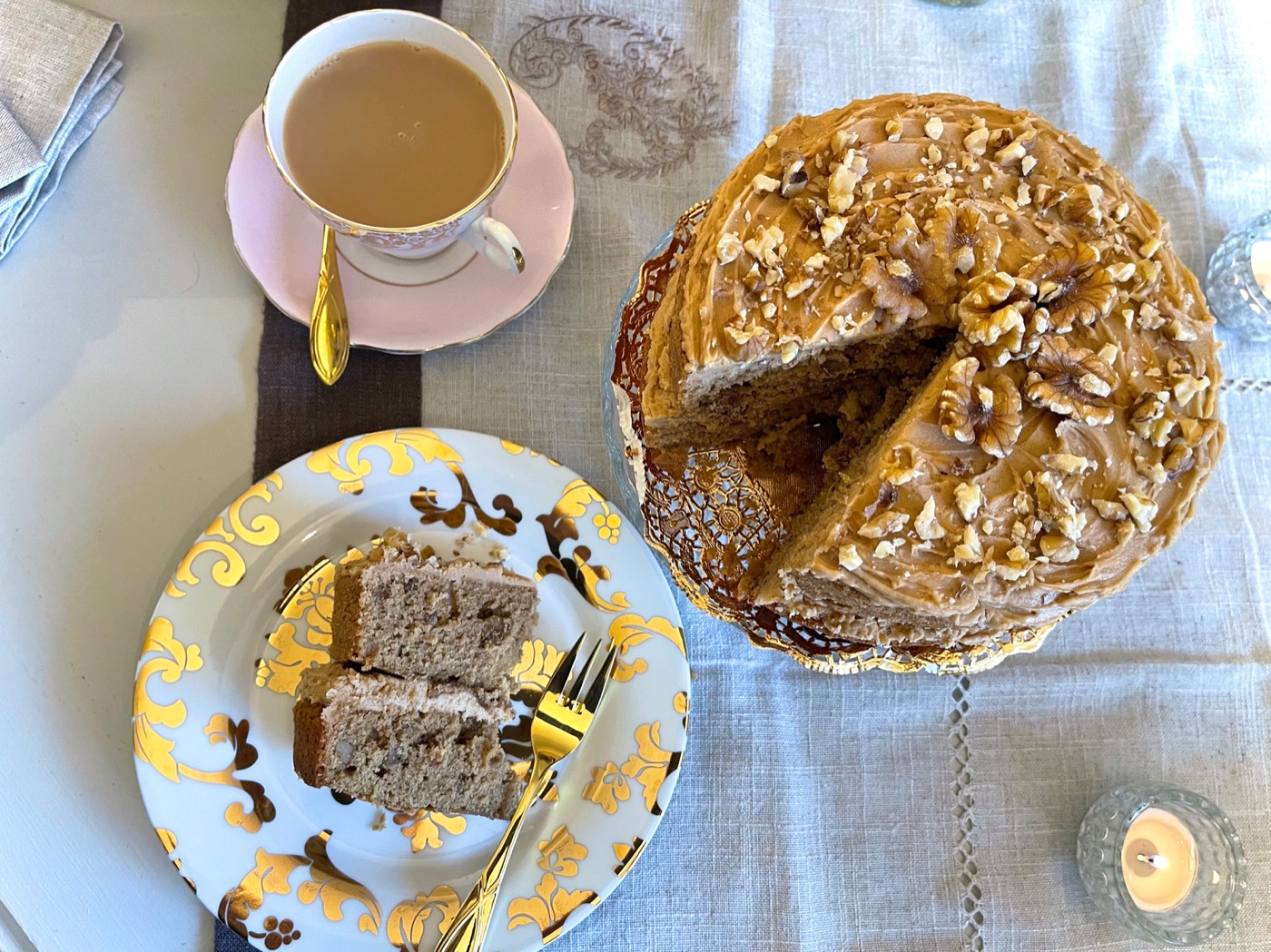
The day before. Bake your cakes: a Victoria sponge, a lemon drizzle or a coffee and walnut cake all keep well overnight in an airtight tin, ready to fill or frost on the day. This is also the time to cook any chicken for canapés, make the toasts for crostini and press the tablecloth and napkins.
The morning. Prepare your sandwich fillings and keep them covered in the fridge. Set the table, polish the glasses and arrange the flowers, so the room is ready long before your guests arrive.
The last hour. Make the sandwiches as close to serving as you can, so the bread stays soft, then trim the crusts and cut them into neat fingers or triangles. Keep them covered with a clean, slightly damp tea towel until they go to the table. Assemble the canapés just before serving, so the bases stay crisp and strong enough to hold their toppings.
Start with a pressed cloth or bare wood, then build in layers: the china first, then the glasses, then flowers and candles. A tiered cake stand gives the table height and lets each course have its own place; if you don’t have one, a few cake stands and plates at different heights look just as lovely.
Mixed vintage china looks charming as long as it shares a colour or two, and a low posy of garden flowers keeps the conversation flowing across the table. Small linen napkins, a pretty milk jug and a bowl of lemon slices finish it beautifully. For more ideas, see my pieces on beautiful glassware and the art of display.
A light, fragrant tea suits the delicate flavours of the table. I love a slice of lemon drizzle cake with a cup of Darjeeling, as the two complement each other perfectly. Offer a second pot, perhaps a classic English breakfast for those who like it stronger, and have milk, lemon and sugar to hand.
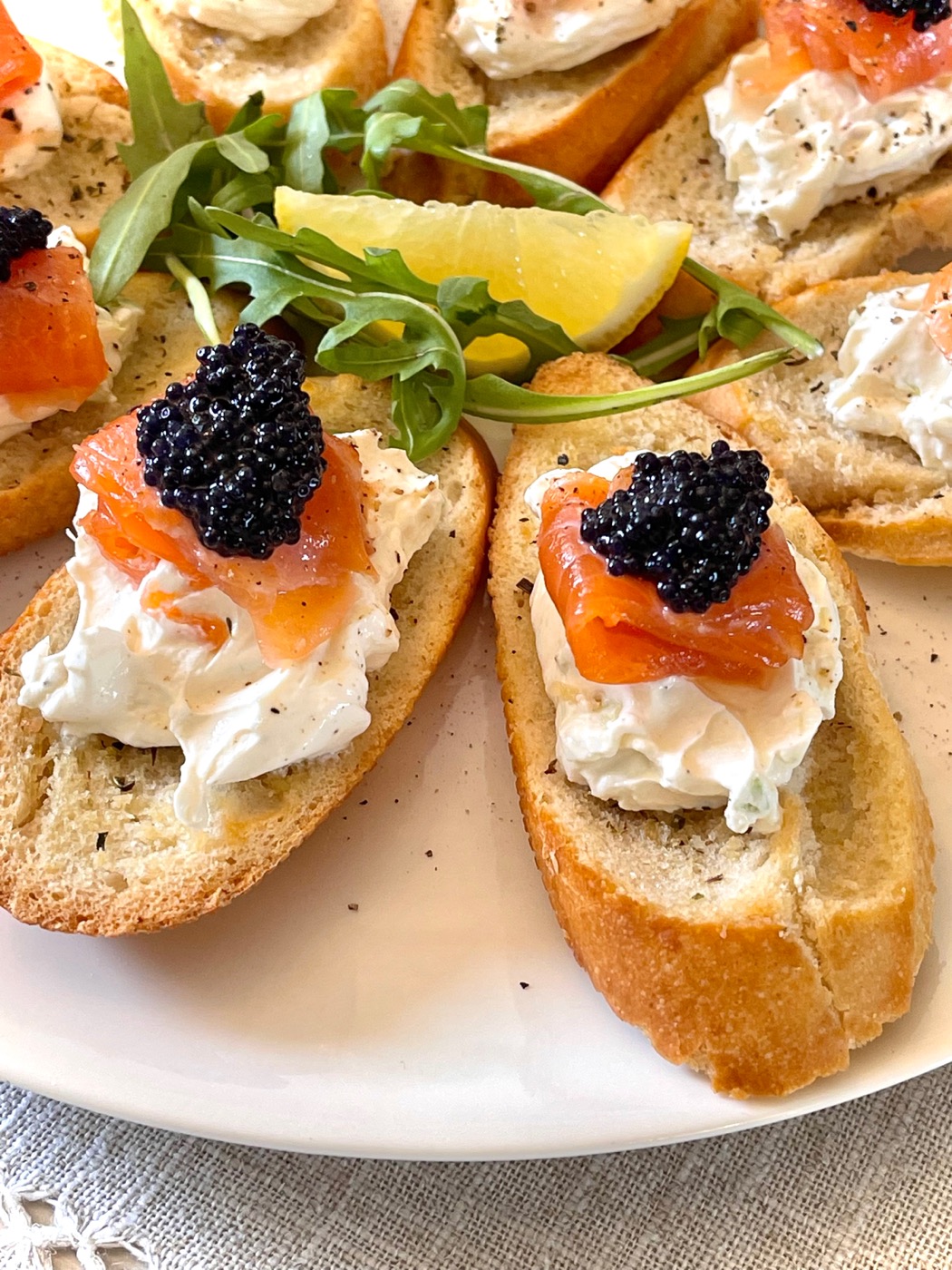
For a celebration, a glass of something sparkling turns afternoon tea into a party. It is lovely with the smoked salmon and caviar crostini.
Anna, the 7th Duchess of Bedford, is often credited with the invention of afternoon tea in the early 1840s. Dinner was not served until eight or nine in the evening, and the Duchess would ask for bread and butter, cakes and other niceties to be brought to her in the afternoon. Her habit caught on, and the custom of taking tea with something good to eat became one of the most cherished of British traditions. You can read more in my afternoon tea sandwiches piece.
How many sandwiches should I make per person? As a guide, allow three or four finger sandwiches each, a couple of savoury bites and a slice or two of cake. It is always better to have a little left over than to run short.
Can I make the sandwiches the night before? They are at their best made on the day, as the bread can dry out or turn soggy. Prepare the fillings the evening before and assemble the sandwiches in the last hour.
What is the difference between afternoon tea and high tea? Afternoon tea is the light, elegant meal of sandwiches and cakes taken in the afternoon; high tea was traditionally a heartier evening meal served at the table.
Afternoon tea catering
For a celebration, a gathering or a quiet treat, I can prepare a homemade afternoon tea of delicate sandwiches, hors d’oeuvres and freshly baked cakes, beautifully presented.