Wildlife & Nature · The Guide
Britain's Wildlife: Where to See Red Squirrels, Puffins, Seals, Deer & More
Britain is a small island with a remarkable amount of wild life packed into it: seabird cliffs that rank among the finest in Europe, great grey seal colonies, ancient deer parks, chalk downland humming with butterflies and wetlands that fill each winter with swans and geese from the Arctic. Some of the best encounters are surprisingly easy to reach, a short boat ride or a walk from the car park.
This guide takes you through the animals most visitors hope to see, where to find them and, just as importantly, when to go, with links to the reserves, wildlife parks and coastal guides we have checked for you across every region of the UK. For the full list, region by region, see Wildlife in Britain.
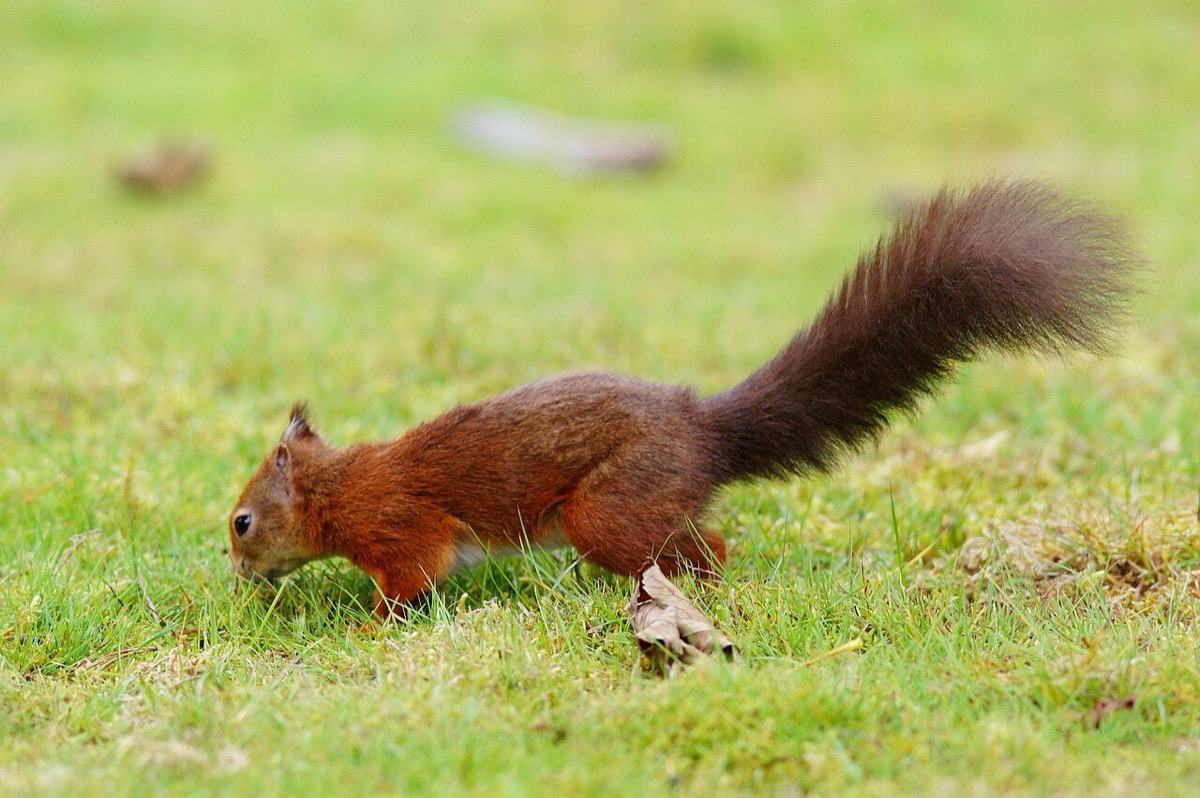
Red Squirrels
The red squirrel is the native squirrel of Britain, and seeing one, tufted ears and all, is a real treat. Since the grey squirrel arrived from North America in the 19th century, the reds have retreated: greys out-compete them and carry squirrelpox, a virus that is usually fatal to reds. Around three-quarters of the UK's red squirrels now live in Scotland.
In England the strongholds are Northumberland and Cumbria, with island and coastal populations on the Isle of Wight, at Formby near Liverpool and on Brownsea Island in Poole Harbour, where the water keeps the greys away. In Wales, Anglesey is the place to go. In Scotland, the pine woods of the Cairngorms around RSPB Loch Garten are excellent, and our Cairngorms guide has more. Autumn is the best season, when the squirrels are busy burying nuts and are easiest to watch.
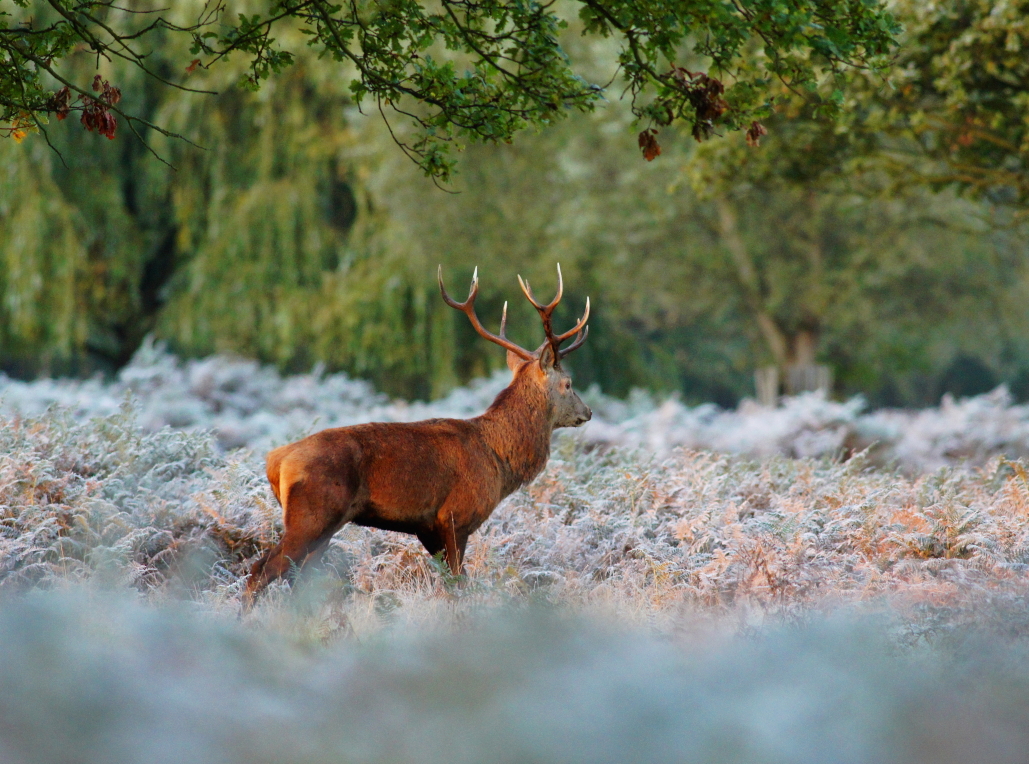
Deer and the Autumn Rut
The red deer is Britain's largest land mammal, and its autumn rut is one of the great wildlife spectacles of the year. From late September into November, stags roar, strut and sometimes clash antlers as they compete for the hinds. The Scottish Highlands, Exmoor and the Lake District have wild herds, but some of the easiest places to watch are the old deer parks.
Richmond Park in south-west London has herds of both red and fallow deer, and the Royal Parks ask you to stay at least 50 metres away, especially during the rut in autumn and the birthing season in May to July. Fallow deer, with their spotted coats and broad antlers, rut in October; Petworth Park, a short walk from the village of Petworth, has a famous herd, and the New Forest and Exmoor are wonderful for deer at dawn and dusk.
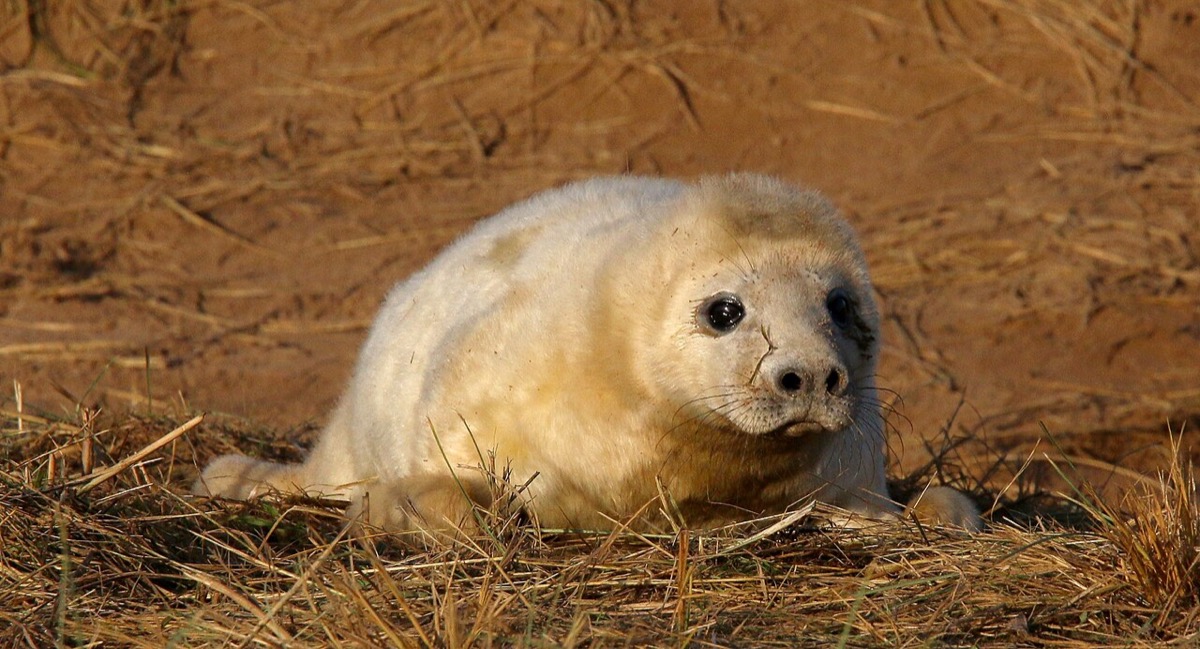
Grey and Common Seals
Britain is one of the most important places in the world for grey seals: the UK holds more than a third of the world population, according to the Sea Mammal Research Unit. The grey is the larger of our two seals, with a long 'Roman' nose. Its pups are born in autumn and early winter, wrapped in a white coat and fed on rich milk for about three weeks.
In England, Donna Nook in Lincolnshire, Blakeney Point on the Norfolk coast and Horsey Gap draw thousands of visitors from late October to December, and the Farne Islands have their own pupping colony; boat trips run from Seahouses, near Bamburgh. In Pembrokeshire pups appear from late summer, and the coves around Skomer Island and the Pembrokeshire Coast are among the best places to look.
The common, or harbour, seal is smaller, with a rounder, dog-like face, and has its pups in summer, usually in June and July. The Wash and the north Norfolk coast are its English strongholds, and seal trips from Morston and Blakeney visit both species; see our Blakeney guide and the Norfolk Coast. To meet seals close up, the Cornish Seal Sanctuary at Gweek cares for rescued pups before returning them to the sea.
Otters, Badgers and Hedgehogs
Otters almost vanished from much of England in the 1950s to the 1970s, poisoned by pesticides and polluted rivers. Cleaner water has brought a remarkable recovery, and they are now found again in every county of England, though they remain shy and mostly nocturnal on rivers. On the coasts of Shetland, Mull and the Isle of Skye otters fish by day, and patient watching along a quiet shore is often rewarded. For a guaranteed sighting, Buckfast Butterflies & Dartmoor Otter Sanctuary is a lovely visit.
Badgers live in family groups in setts and emerge at dusk; they and their setts are protected by the Protection of Badgers Act 1992. Organised badger-watching evenings run by local Wildlife Trusts are the kindest way to see them. Hedgehogs have declined sharply, and the best thing you can do is make your garden welcoming: a small gap in the fence lets them roam, and they hibernate roughly from November to March. The British Wildlife Centre in Surrey, devoted entirely to native species, is a good place to see otters, badgers, hedgehogs, red squirrels and deer together.
Rewilding: Beavers and White Storks
Some of the most exciting wildlife stories in Britain today are about animals coming home. Beavers were hunted to extinction here centuries ago. The Scottish Beaver Trial at Knapdale began in 2009, beavers on Devon's River Otter were allowed to stay in 2020 after a five-year trial, and in February 2025 the government approved licensed wild releases in England: the National Trust released the first pairs at Purbeck Heaths in Dorset in March 2025, and further licences followed for Exmoor and Cornwall in 2026.
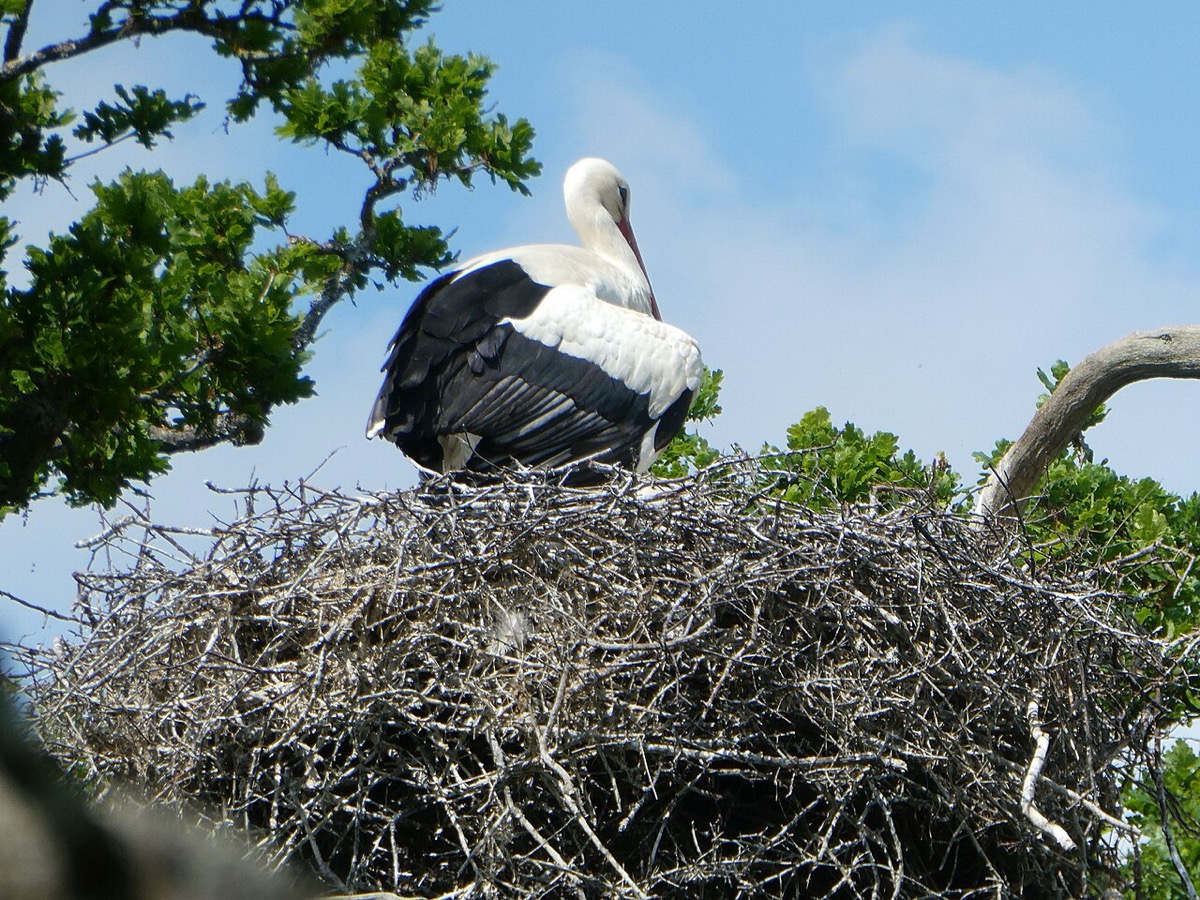
At Knepp Wildland in West Sussex, farmland given back to nature since 2001 is now home to nightingales, turtle doves and one of the best populations of purple emperor butterflies in the country. In 2020 white storks nested and raised chicks at Knepp, the first recorded in Britain for more than 600 years, and the colony has grown every year since. Guided safaris are the best way to see them, from spring, when the storks are on their nests, into summer.
Dolphins, Porpoises and Whales
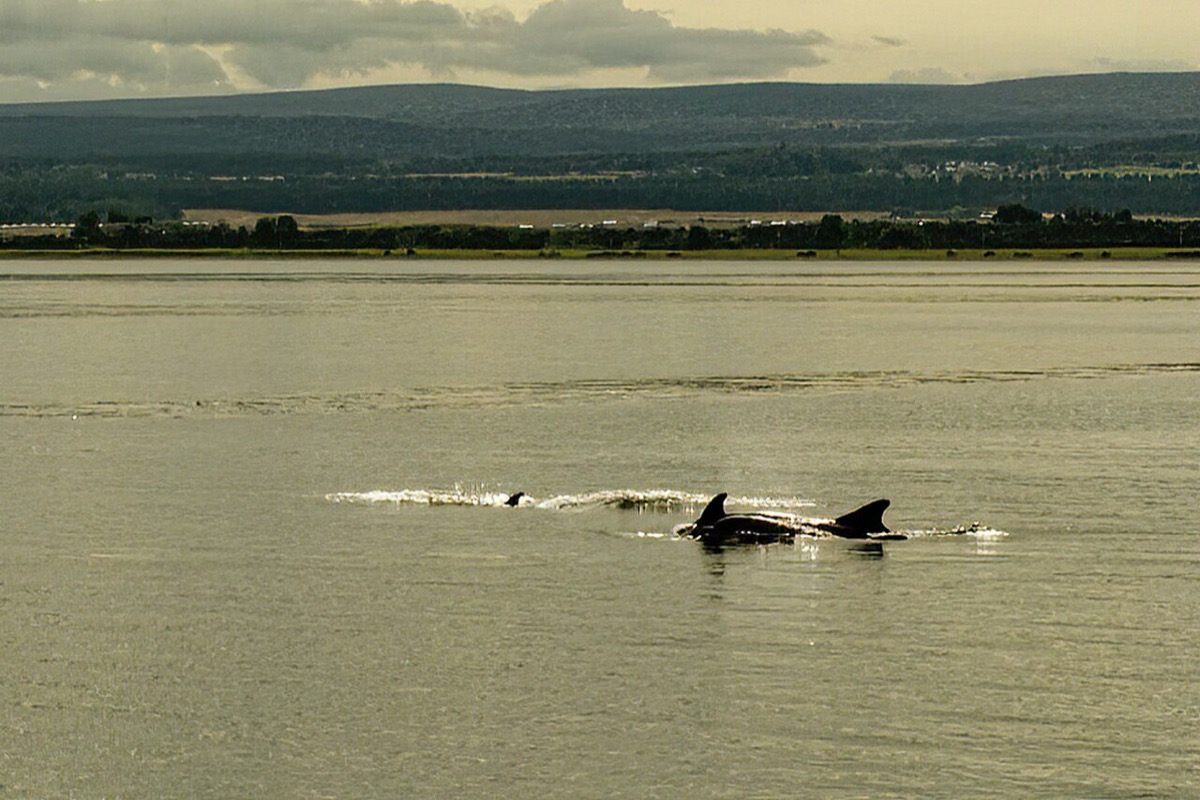
You do not need to go far offshore to see dolphins in Britain. Chanonry Point, on the Moray Firth near Inverness, is one of the best places in Europe to watch bottlenose dolphins from land: they often feed close to the shore on a rising tide in summer. Cardigan Bay in west Wales has one of the UK's largest populations of bottlenose dolphins, and boat trips run from New Quay in summer.
Harbour porpoises, small and shy, are seen around much of the coast, and in summer minke whales feed off the Hebrides. Cornwall's headlands are good for spotting dolphins too. The Scottish Seabird Centre at North Berwick is a good place to learn about the marine life of the Firth of Forth before you head out.
Puffins and Seabird Colonies
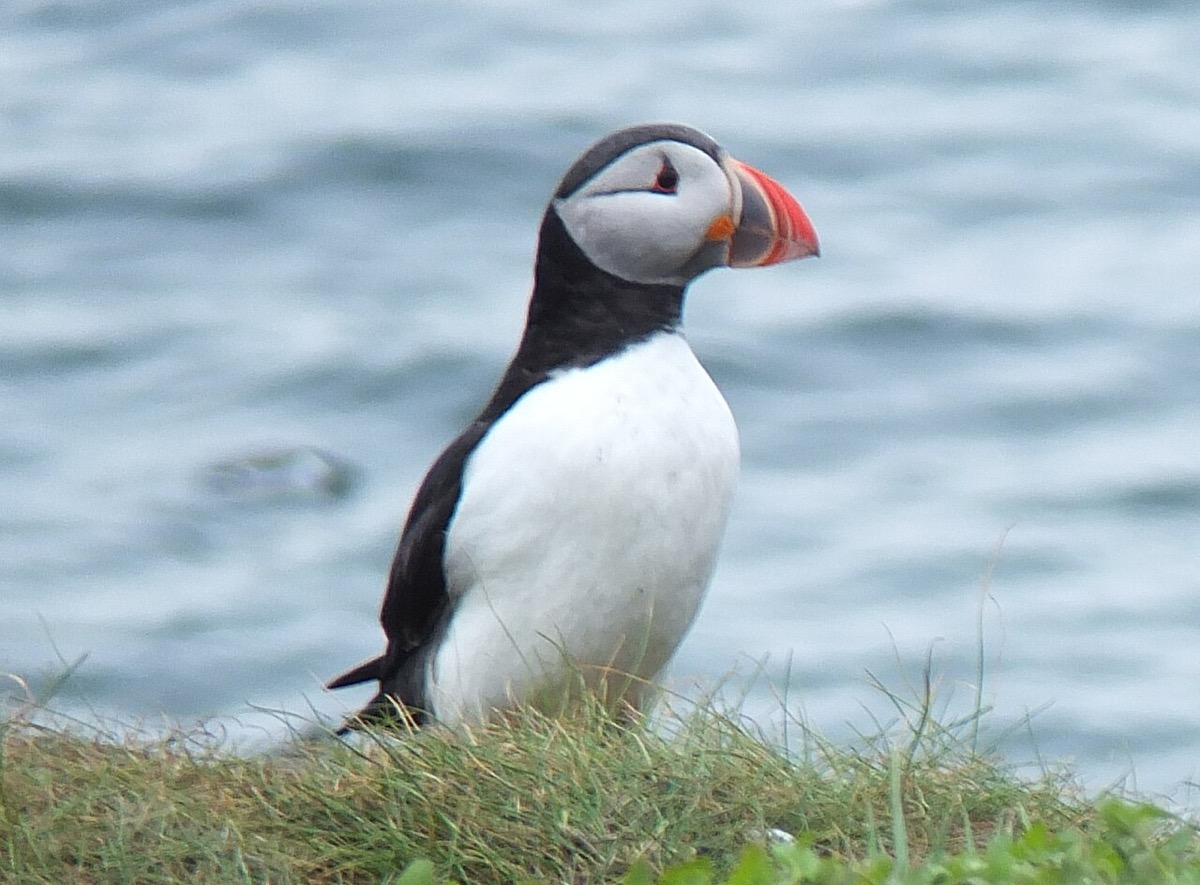
Puffins come ashore to breed from late March or April and are gone again by early August, so late spring and early summer are the time to see them. The Farne Islands, cared for by the National Trust, are one of the most famous colonies in Britain; boats run from Seahouses, and our Northumberland Coast guide has more.
In Wales, Skomer Island is a puffin paradise, reached by boat from Martin's Haven, and also holds one of the largest Manx shearwater colonies in the world. RSPB South Stack Cliffs on Anglesey has puffins, guillemots, razorbills and choughs. In Scotland the Isle of May, off Anstruther, is a superb day out, and the Bass Rock holds the world's largest colony of northern gannets. In England, RSPB Bempton Cliffs in Yorkshire is a cliff-top grandstand with gannets, kittiwakes and puffins, and in Northern Ireland the RSPB Rathlin Island Seabird Centre looks out over a great seabird stack.
Starling Murmurations
On autumn and winter evenings, from around October into February, huge flocks of starlings swirl over their roosts at dusk in shapes that seem to pour and fold like smoke. Our resident starlings are joined in winter by birds from the Continent, and the displays are often at their biggest in mid-winter.
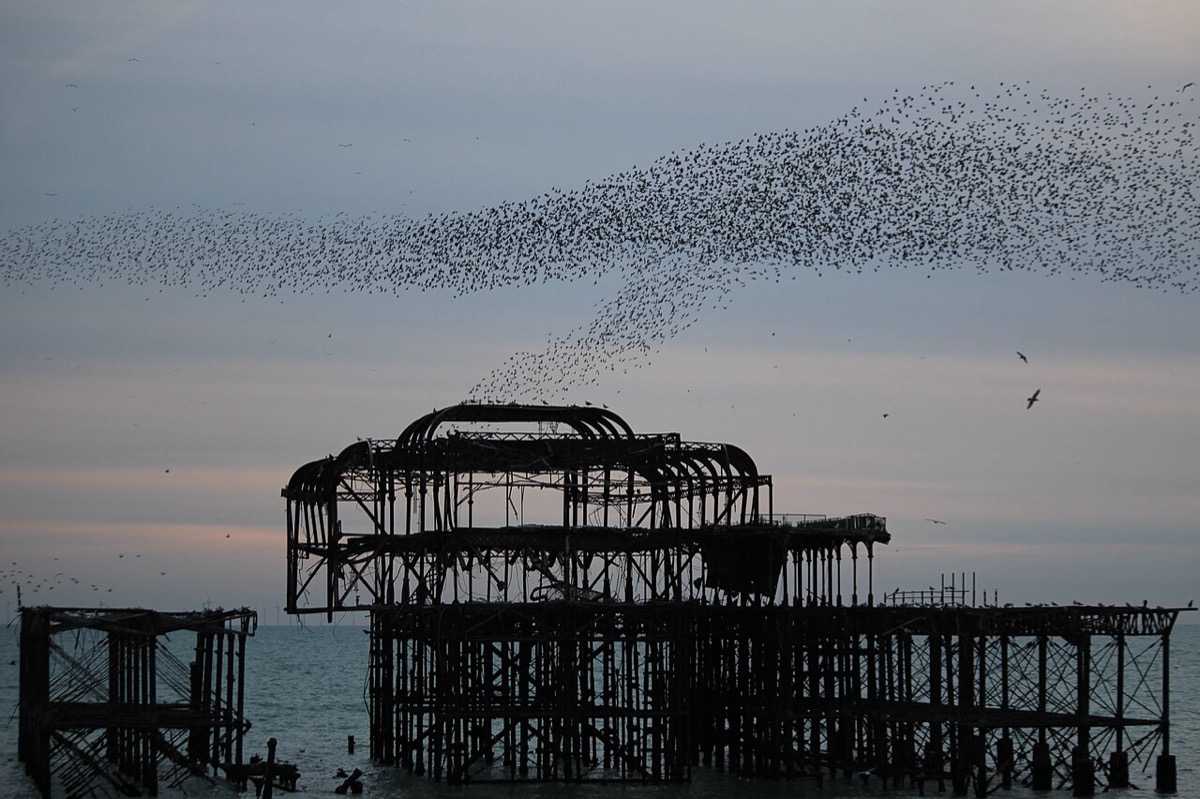
Brighton's piers are the classic seaside spot, and the reedbeds of the Somerset Levels, Aberystwyth pier and Gretna in the Scottish Borders are famous too. RSPB Leighton Moss in Lancashire, home to bitterns and bearded tits, is well known for its winter murmurations. Arrive half an hour before sunset and stay until the last birds drop into the roost.
Birds of Prey: Red Kites and Eagles
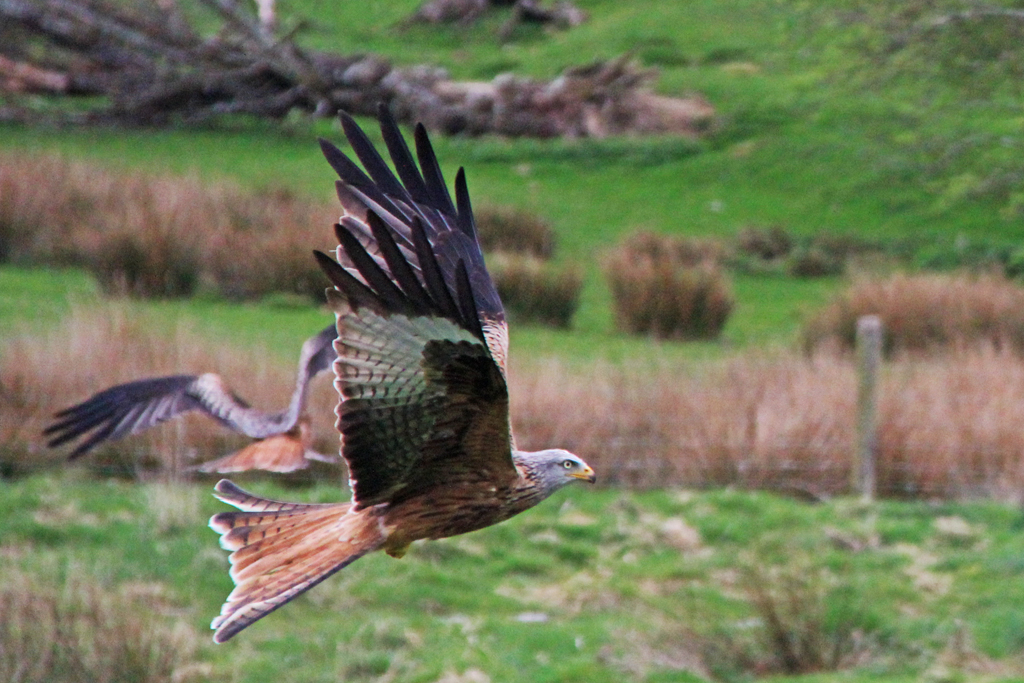
The red kite is one of the great conservation successes of our time. By the end of the 19th century it had been wiped out in England and Scotland, surviving only in a few valleys of mid-Wales. Reintroductions began in 1989 in the Chilterns and the north of Scotland, and today the kite's forked tail is a familiar sight over motorways and villages across much of Britain.
At Gigrin Farm Red Kite Centre near Rhayader, hundreds of kites gather for the afternoon feed, an unforgettable sight.
Golden eagles live mainly in the Scottish Highlands and islands. White-tailed eagles, the largest birds of prey in Britain, died out here in the early 20th century and were brought back to the Isle of Rum from 1975; Mull and Skye are now among the best places to see them, and a project begun in 2019 has returned them to the Isle of Wight, from where they range across southern England. Ospreys, too, came back on their own to Scotland, famously nesting at RSPB Loch Garten from 1954. For close views of owls, falcons and eagles, the Hawk Conservancy Trust in Hampshire is excellent.
Wetlands, Winter Swans and Geese
Every autumn swans and geese fly in from the Arctic to spend the winter on Britain's wetlands. Bewick's swans travel from Arctic Russia to WWT Slimbridge on the Severn, where Sir Peter Scott founded the Wildfowl & Wetlands Trust in 1946. Whooper swans come from Iceland to WWT Welney Wetland Centre in Norfolk, where the floodlit evening swan feeds are a highlight of winter, and to WWT Martin Mere in Lancashire.
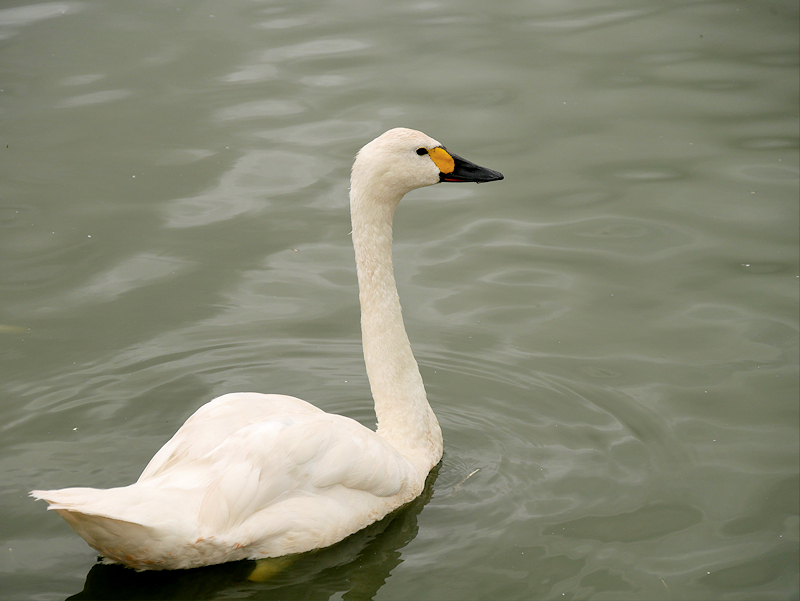
Tens of thousands of pink-footed geese spend the winter in Norfolk and Lancashire, flying out to feed at dawn in long, calling skeins. At Abbotsbury Swannery in Dorset, a colony of mute swans first recorded in the 14th century, cygnets hatch in late spring. For reedbeds, bitterns and marsh harriers, try RSPB Minsmere on the Suffolk Coast and RSPB Titchwell Marsh in Norfolk, and in the South, WWT Arundel Wetland Centre and RSPB Pulborough Brooks. WWT Castle Espie on Strangford Lough and WWT Llanelli Wetland Centre complete the set.
Butterflies and Insects
Britain's butterflies follow the seasons closely. The first brimstones, sulphur-yellow, are on the wing on warm days in late winter and early spring, followed by orange-tips along hedgerows in April and May. High summer is the peak: chalk grassland such as the South Downs comes alive with blues, marbled whites and skippers, and Knepp's purple emperors fly in late June and July. In autumn, red admirals and commas feed on ivy flowers and fallen fruit.
You can help: Butterfly Conservation's Big Butterfly Count runs each summer, from mid-July to early August, and needs only fifteen minutes in the sunshine. On a grey day, the tropical butterfly houses are a joy at any time of year: Stratford Butterfly Farm, London Butterfly Gardens, the Horniman Butterfly House, Tropical World in Leeds, Magic of Life Butterfly House near Aberystwyth and Seaforde Tropical Butterfly House in County Down.
Wildlife Through the Year
Winter (December to February)
Grey seal pups on the east coast until about December; starling murmurations; whooper and Bewick's swans and pink-footed geese on the wetlands; red kites at the winter feeds.
Spring (March to May)
Puffins and seabirds return to the cliffs from late March or April; the first brimstone and orange-tip butterflies; bluebell woods; white storks nesting at Knepp; mute swan cygnets at Abbotsbury.
Summer (June to August)
Seabird colonies at their busiest until puffins leave in early August; common seal pups; dolphins at Chanonry Point and in Cardigan Bay; the peak of the butterfly season and the Big Butterfly Count.
Autumn (September to November)
The red and fallow deer rut; grey seal pupping begins; red squirrels caching nuts; the first swans and geese arrive from the Arctic; murmurations start to build.
Responsible Wildlife Watching
Wildlife watching is at its best when the animals hardly notice you. Follow the Countryside Code, which asks you to respect everyone, protect the natural environment and enjoy the outdoors: leave gates as you find them, stay on paths, take your litter home and keep dogs under close control, on a lead around livestock and wildlife.
Give seals plenty of room. A pup alone on a beach is usually not abandoned; its mother is often in the water nearby, so stay well back, never come between a seal and the sea, and use the viewing areas and fences where they are provided. At sea, choose operators who keep their distance from seals, dolphins and seabirds. In deer parks, keep at least 50 metres away, as the Royal Parks advise, and never feed the deer.
All wild birds, their nests and eggs are protected by the Wildlife and Countryside Act 1981, and some rare species may not be disturbed at the nest at all. In the nesting season, from spring to late summer, keep to paths on cliffs and beaches, watch where you step on shingle and dunes, and please do not fly drones near seabird colonies.
Zoos, Wildlife Parks and Conservation Charities
Britain's zoos and wildlife parks are licensed under the Zoo Licensing Act 1981 and the best of them play a real part in conservation, breeding endangered species and supporting projects in the wild. The Highland Wildlife Park in the Cairngorms breeds Scottish wildcats for release, Chester Zoo and ZSL Whipsnade Zoo run conservation programmes across the world, and the Hawk Conservancy Trust works to protect vultures and birds of prey.
The great conservation charities care for many of the places in this guide: the RSPB, the Wildlife Trusts, the Wildfowl & Wetlands Trust and the National Trust. Membership usually includes entry to their reserves, and your visit helps protect them. For every zoo, safari park, reserve and butterfly house we have checked, see Wildlife in Britain, region by region.
Our Advice
Our advice: Plan around the seasons rather than the places: puffins in May or June, dolphins in summer, the deer rut and seal pups in autumn, swans and murmurations in winter. Book seabird boats early, check tides and sailing times, bring binoculars and a warm layer, and give every animal plenty of space. Then pair your wildlife day with one of our village guides, such as Bamburgh for the Farnes or Tenby for the Pembrokeshire coast, and make a weekend of it.
Facts checked October 2026. Sources: nature.scot · gov.uk · whitestorkproject.org · smru.st-andrews.ac.uk · rspb.org.uk · wildlifetrusts.org · woodlandtrust.org.uk · royalparks.org.uk · butterfly-conservation.org · wwt.org.uk · gov.uk. Seasons, sailings and opening times change, so please check before you travel.
Every zoo, reserve and butterfly house we have checked, region by region →