Beauty Spots · Hampshire
The New Forest, Hampshire: Ponies, History, Walks & Villages
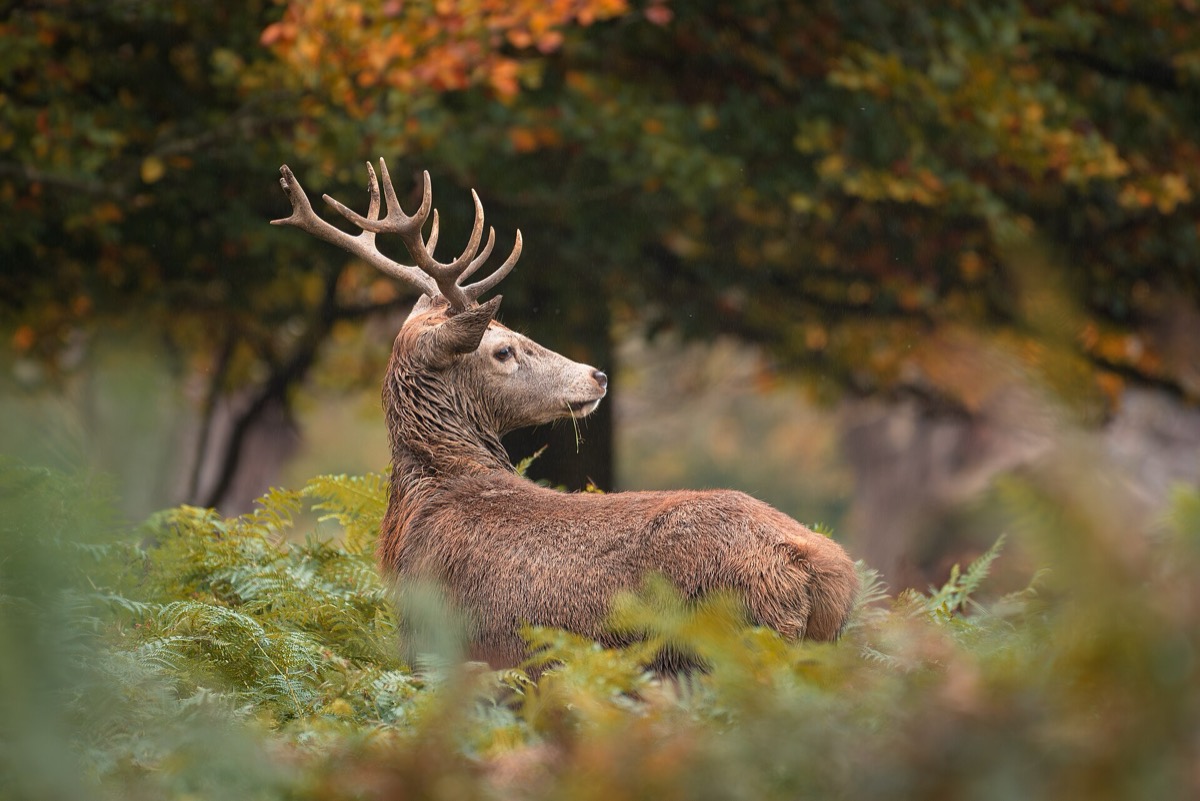
The New Forest spreads across south-west Hampshire between Southampton Water and the Avon valley: ancient oak and beech woods, wide open heaths of heather and gorse, streams, bogs and quiet villages, all grazed by free-roaming ponies, cattle and donkeys. It became a National Park on 1 March 2005.
Why The New Forest Is Special
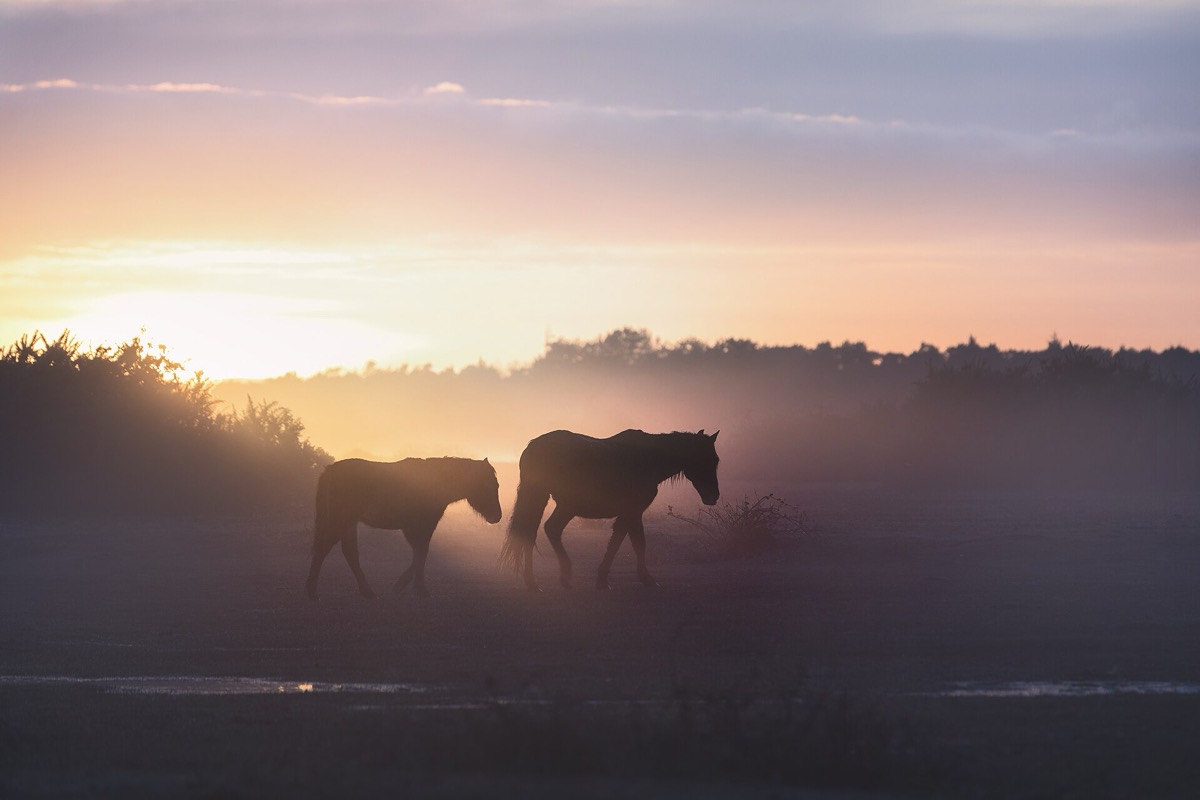
Few places in England feel so wild yet so lived-in. The ponies you meet on the roads and lawns are not wild at all: every one belongs to a commoner, a local person with the ancient right to graze animals on the Forest, and it is their grazing that has shaped this landscape for nearly a thousand years.
It is wonderful walking and cycling country, gentle enough for families, with tea rooms and village pubs never far away.
The History of The New Forest
After the Norman Conquest, William the Conqueror proclaimed the area a royal forest, in about 1079, for hunting deer. The Domesday Book of 1086 records it as Nova Foresta, the New Forest, and it is the only forest the book describes in detail. Two of William's sons died here: Prince Richard, and King William II, William Rufus, killed by an arrow while hunting in 1100. The reputed spot is marked by the Rufus Stone.
The people who lived in the Forest kept ancient rights of common: to turn out horses and cattle to graze, to gather firewood, to cut peat, to dig marl, and, from September to November, to let their pigs loose to eat the fallen acorns and beechnuts, a custom called pannage that still lasts at least 60 days each autumn, on dates set by the Verderers.
In the 18th century the Forest became a source of timber for the Royal Navy, and plantations were created for shipbuilding; the Great Storm of 1703 brought down about 4,000 oaks. The commoners' rights were confirmed by the New Forest Act of 1697, and the New Forest Act of 1877 reconstituted the Court of Verderers, which still sits in Lyndhurst, to represent the commoners. Most of the Forest is still Crown land, managed by Forestry England (originally the Forestry Commission) since 1923.
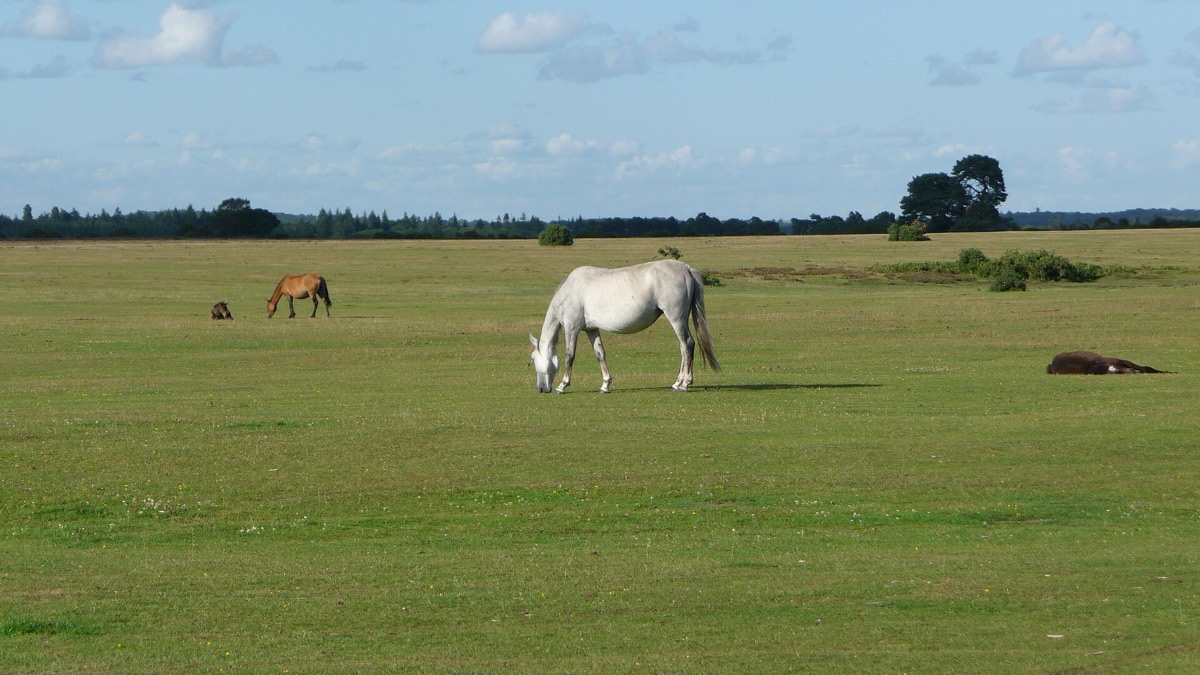
The New Forest pony is one of the native breeds of the British Isles, standing about 12 to 14.2 hands. Numbers fell to fewer than 600 in 1945 but have risen steadily, and thousands now roam the Forest. The Forest became a Site of Special Scientific Interest in 1971, and a National Park in 2005.
The New Forest Villages
Lyndhurst, the "capital of the New Forest", is home to the Court of Verderers and the New Forest District Council. It is recorded in the Domesday Book as Linhest, "the wooded hill with lime trees". Its Victorian church of St Michael and All Angels has a fresco by Lord Leighton and stained glass by William Morris, Edward Burne-Jones and Charles Kempe, and in the churchyard lies Alice Liddell, the girl who inspired Alice's Adventures in Wonderland.
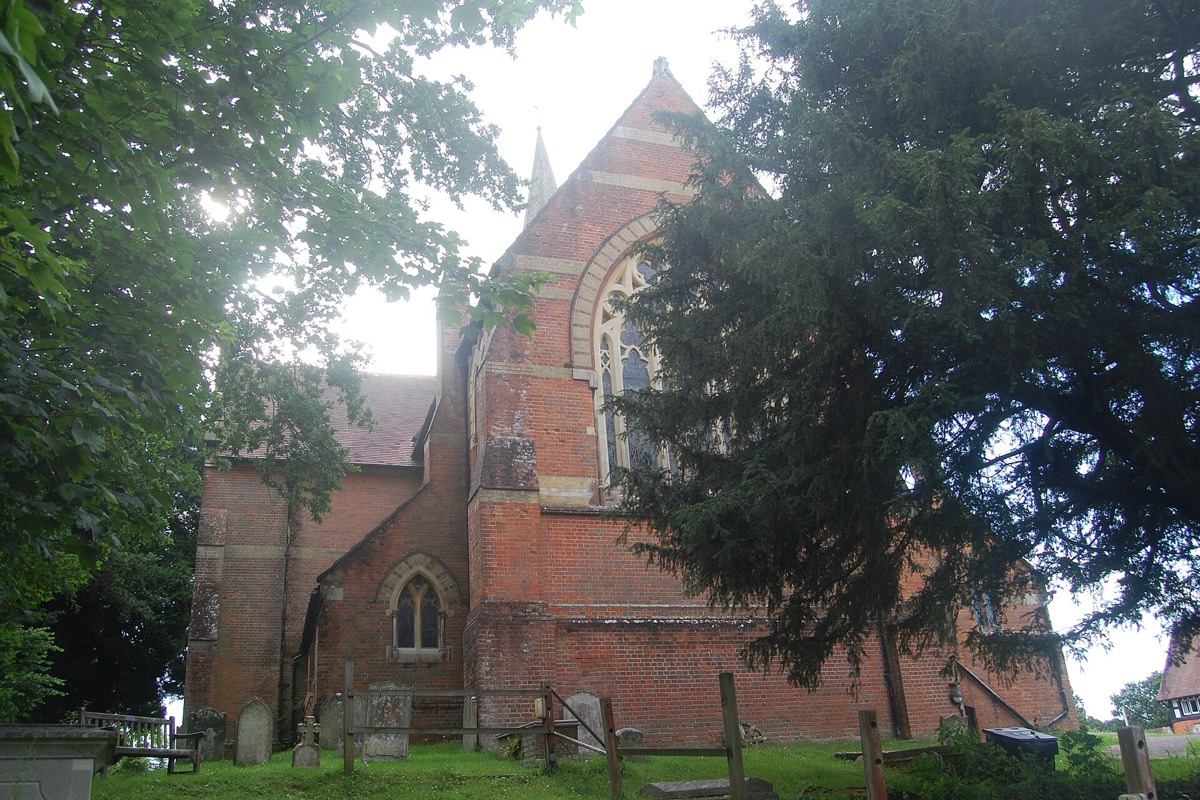
Brockenhurst, in the south of the Forest, grew from four small Saxon manors recorded in the Domesday Book, and in 1347 it was granted a weekly market and an annual fair. Today it is the Forest's main railway station, and ponies and cattle wander its streets.
Beaulieu, on the south-eastern edge of the Forest, has its 13th-century abbey, Palace House and the National Motor Museum; see our full Beaulieu guide. All three villages lie inside the National Park.
What to See & the Best Walks at The New Forest
Some of the Forest's best-loved places are easy to reach: the Rhinefield Ornamental Drive with its giant trees, the Knightwood Oak, one of the oldest and largest oaks in the Forest, and Bolderwood, with its deer viewing platform. Walk out across the open heath almost anywhere for big skies and long views.
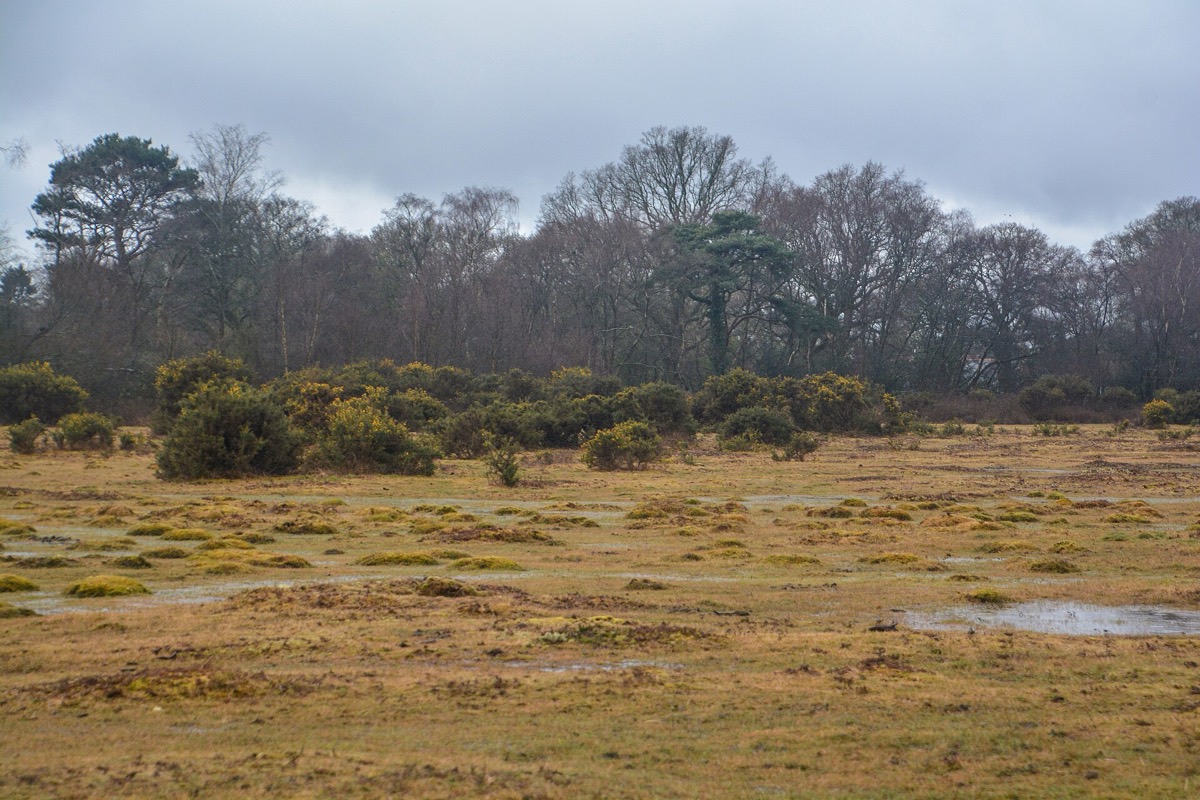
Hire bikes in Brockenhurst or Burley and follow the gravel tracks through the inclosures, or follow the Beaulieu River to Buckler's Hard.
Wildlife at The New Forest
Besides the ponies, cattle and donkeys of the commoners, the Forest has five species of deer, as well as rare heathland birds and reptiles. Please never feed or touch the ponies: it makes them come to the roads, where they are at risk, and they can kick and bite. Drive slowly, as the animals have right of way.
Gardens, Countryside & Antiques near The New Forest
Exbury Gardens, famous for its rhododendrons and azaleas, is on the Beaulieu River. See our listing of the New Forest National Park and our Beaulieu guide.
On the way home, Garsons Titchfield and HomeSense Hedge End are both within easy reach, and Marwell Zoo is near Winchester.
The New Forest Through the Seasons
Spring brings foals to the heath and bluebells to the woods. In late summer the heather turns the heaths purple. Autumn is the time of pannage, when pigs roam the woods, and of glorious colour in the beech woods, and winter walks on the frosty heath are magical.
Getting to The New Forest
Brockenhurst station, on the line from London Waterloo, is in the heart of the Forest, and there are bike-hire shops near the station.
The New Forest: Questions & Answers
Are Lyndhurst, Brockenhurst and Beaulieu in the New Forest National Park?
Yes, all three villages lie inside the New Forest National Park, which was created on 1 March 2005.
Who owns the New Forest ponies?
Every pony on the Forest belongs to a commoner, a local person with the ancient right to graze animals there. Please never feed or touch them.
Our Advice
Our advice: Leave the car, take the train to Brockenhurst and explore by bike or on foot. Respect the animals, keep your distance from the ponies, and you will see the Forest at its best.
Facts checked October 2026. Sources: Wikipedia: New Forest · Wikipedia: New Forest pony · Wikipedia: Lyndhurst, Hampshire · newforestnpa.gov.uk · forestryengland.uk. Opening times and prices change, so please check before you travel.