Villages & Towns · Northumberland
Bamburgh, Northumberland: The Castle, Grace Darling & Things to Do
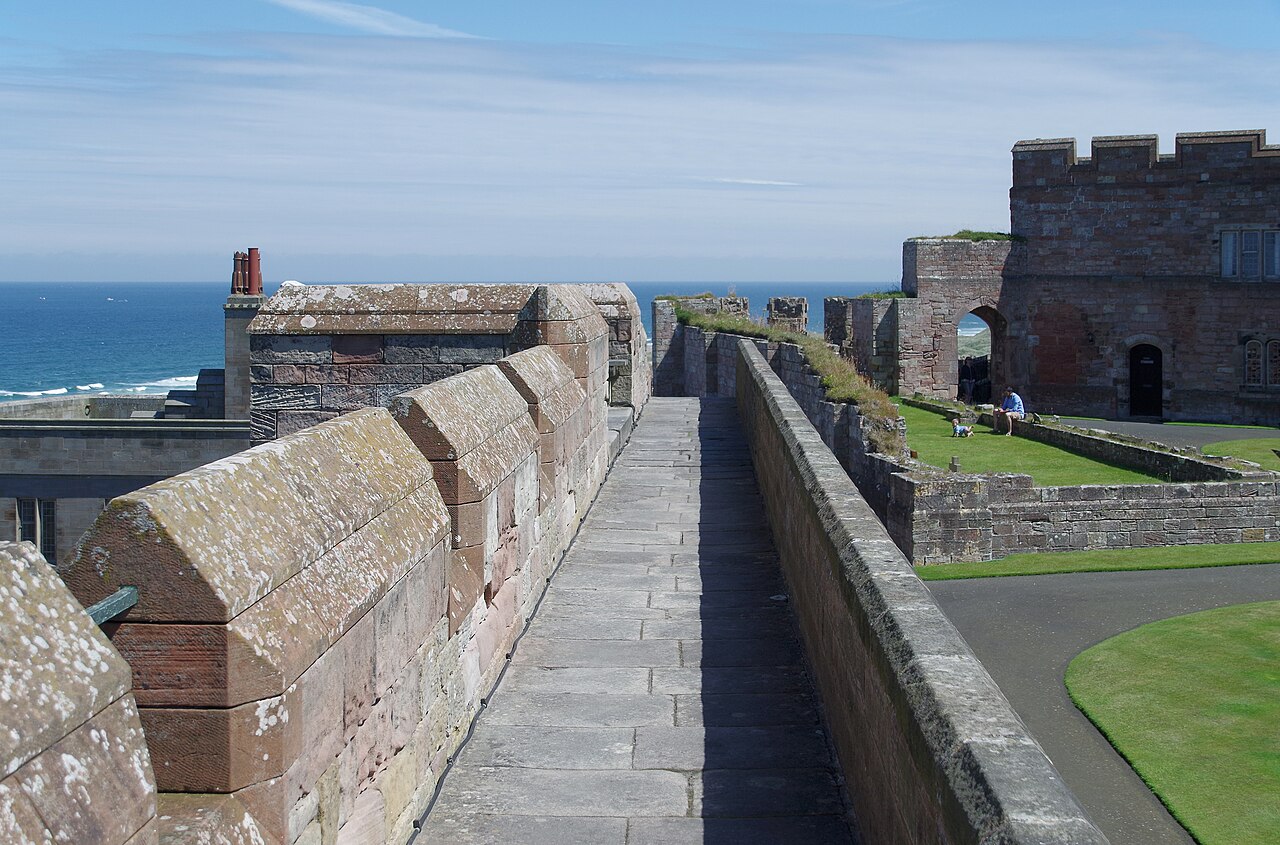
Bamburgh is a small village on the Northumberland coast, dominated by one of the most dramatic castles in Britain, standing on a great outcrop of rock above miles of sand and dunes. Around a green below the castle are stone cottages, inns and tea rooms.
Why Bamburgh Is Special
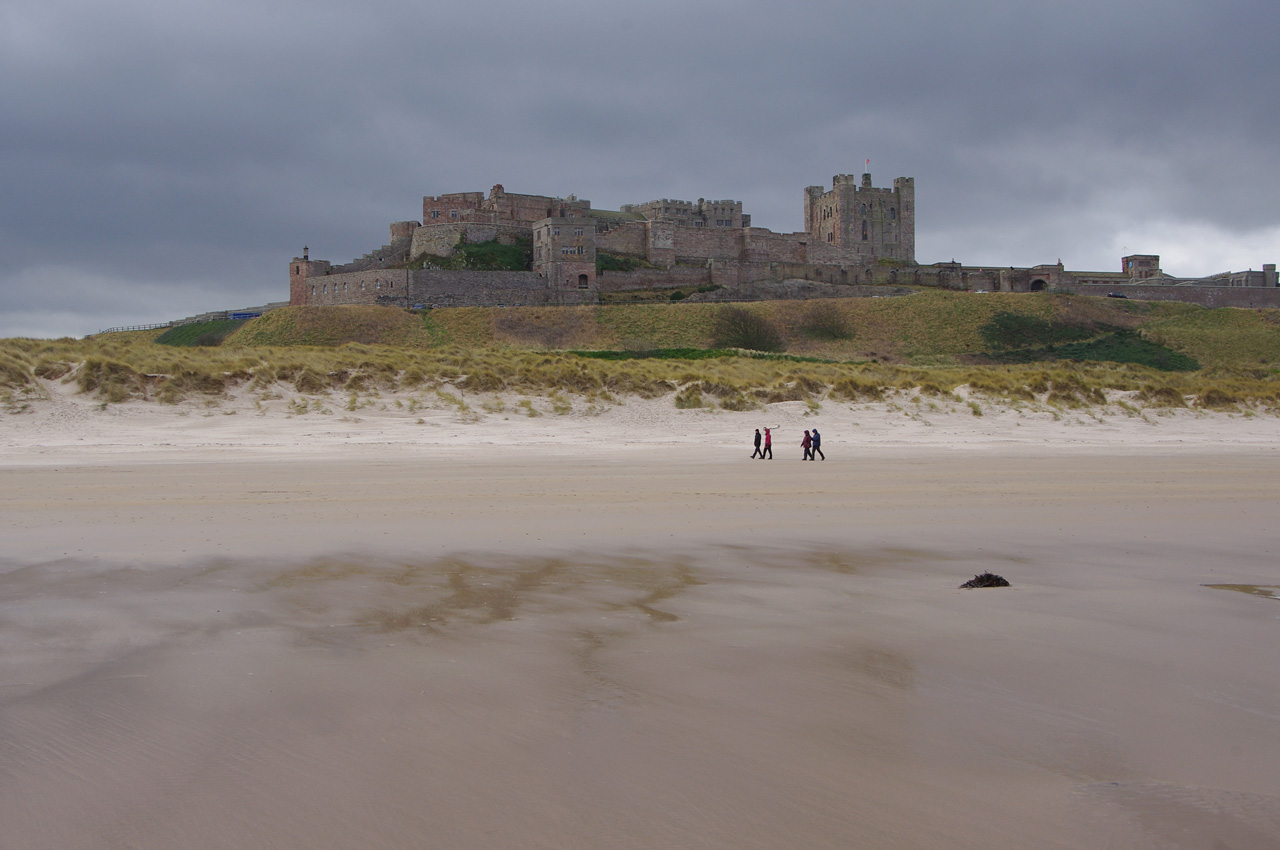
Standing on the beach below Bamburgh Castle, with the Farne Islands out to sea and Holy Island to the north, you feel the whole sweep of northern history. This was the royal seat of the kings of Northumbria, and the church where St Aidan died.
It is also one of the finest beaches in England, wide, clean and rarely crowded, and the whole coast here is protected as the Northumberland Coast National Landscape.
The History of Bamburgh
In 547 the citadel was captured by the Anglo-Saxon ruler Ida of Bernicia, who made it his seat. The Anglo-Saxons called it Bebbanburh, "Queen Bebba's stronghold", and over time the name became Bamburgh. When Ethelfrith became king of Bernicia in 593, Bamburgh was his capital.
In 635 Aidan came from the monastery of Iona at the invitation of King Oswald of Northumbria to bring Christianity to the north. According to Bede, he built a wooden church outside the castle wall, and he died here; the church of St Aidan stands on the site today.
The castle was rebuilt by the Normans and saw famous sieges: William II besieged it in 1095, and in 1464, during the Wars of the Roses, it fell to the Yorkists after a nine-month siege marked by the heavy use of artillery. Decayed by later centuries, it was bought by the Victorian industrialist William Armstrong, who completed its restoration, and it is still owned by the Armstrong family.
In the early hours of 7 September 1838 Grace Darling, the daughter of the keeper of the Longstone lighthouse, spotted the wreck of the steamship Forfarshire on the rocks of Big Harcar. She and her father rowed out through the storm and rescued survivors, and she became a national heroine. She is buried in St Aidan's churchyard, and the RNLI Grace Darling Museum stands across the road.
Things to Do in Bamburgh
Visit the castle (check opening times) for its state rooms, armoury and views, then walk down through the dunes to the beach for the classic view of the castle from the sand.
In the village, see St Aidan's church and Grace Darling's monument in the churchyard, then the RNLI Grace Darling Museum, which displays the coble she rowed.
Gardens, Countryside & Antiques near Bamburgh
Boats from Seahouses, three miles south, take you to the Farne Islands for puffins, seals and seabirds in season. The whole coast is the Northumberland Coast National Landscape; our guide to the Northumberland Coast covers Holy Island and Dunstanburgh.
For gardens, The Alnwick Garden is within half an hour's drive south, and inland lie the hills of the Northumberland National Park.
Bamburgh Through the Seasons
Late spring and early summer are the time for puffins on the Farnes. Summer brings long days on the beach. Autumn skies are vast over the sea, and on a crisp winter day you may have the whole beach to yourself.
Getting to Bamburgh
The nearest main-line station is Berwick-upon-Tweed or Alnmouth, with buses along the coast. There is parking in the village and by the dunes.
Bamburgh: Questions & Answers
Who owns Bamburgh Castle?
The Armstrong family. The Victorian industrialist William Armstrong bought and restored it, and it is open to visitors.
Who was Grace Darling?
The daughter of the Longstone lighthouse keeper, who in 1838 helped her father rescue survivors of the wrecked Forfarshire. She is buried at St Aidan's church, Bamburgh.
Our Advice
Our advice: Walk the beach first, ideally early in the morning, then visit the castle, and finish at St Aidan's church with Grace Darling's story.
Facts checked October 2026. Sources: Wikipedia: Bamburgh · Wikipedia: Bamburgh Castle · Wikipedia: Grace Darling. Opening times and prices change, so please check before you travel.