Villages & Towns · North Yorkshire
Robin Hood's Bay, North Yorkshire: Smugglers, Fossils & Things to Do
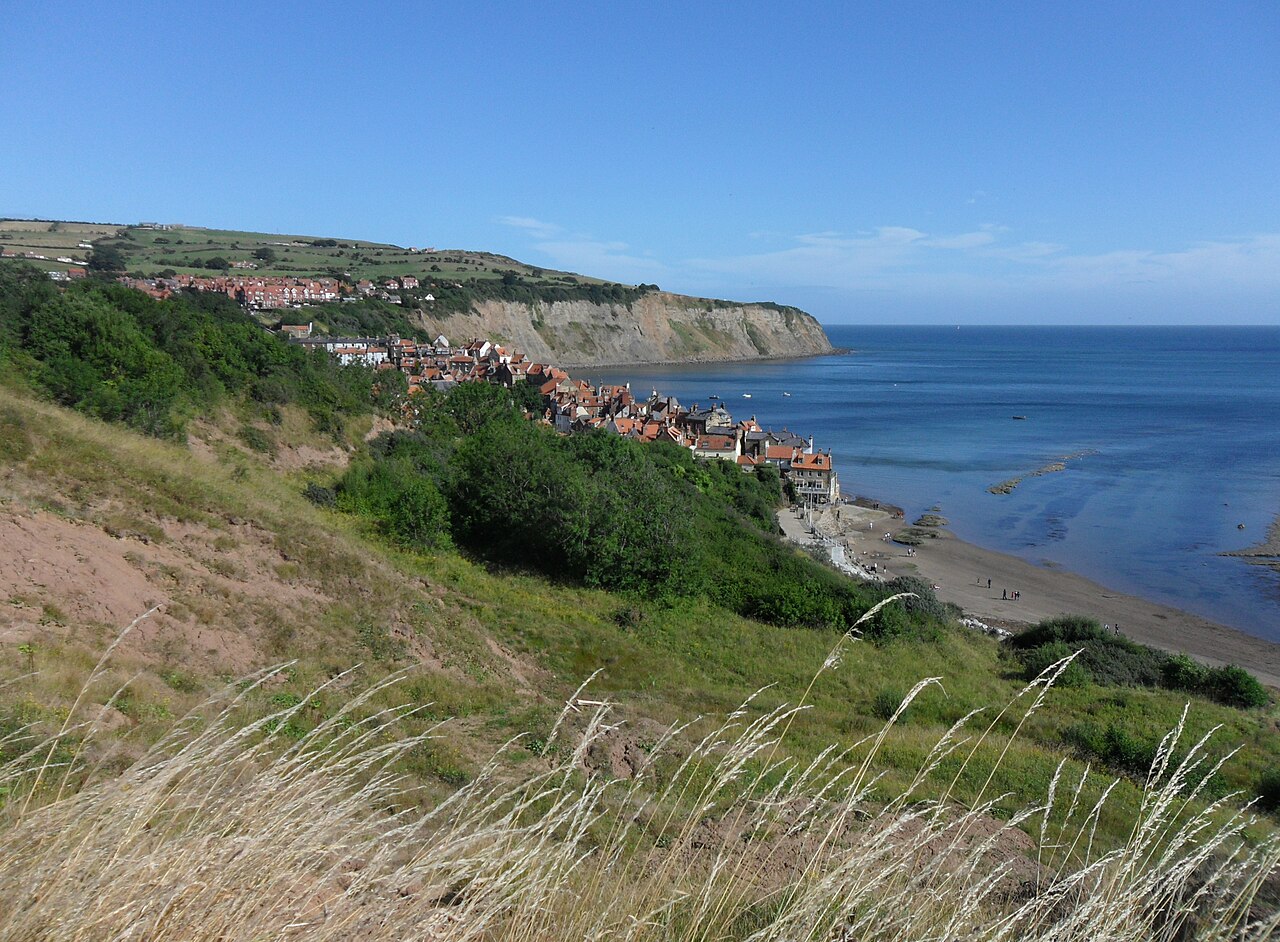
Robin Hood's Bay is a fishing village on the North Yorkshire coast, about five miles south of Whitby, where the North York Moors drop to the sea. Its red-roofed cottages are packed so tightly down a steep ravine that the lanes between them are barely wide enough for two people to pass.
Why Robin Hood's Bay Is Special
Few places in England look so much like a storybook. From the top of the village a single steep road plunges down to the slipway, and on either side a maze of alleys, steps and tiny courtyards opens out between the houses.
At the bottom the bay sweeps away in a great curve of rock scars and sand, and at low tide it becomes one of the best places in Britain to find fossils.
The History of Robin Hood's Bay
Nobody knows how the village got its name; there is no record that the legendary outlaw ever came here. What is certain is that Bay, as locals call it, made its living from the sea, from fishing and, in the 18th century, from smuggling.
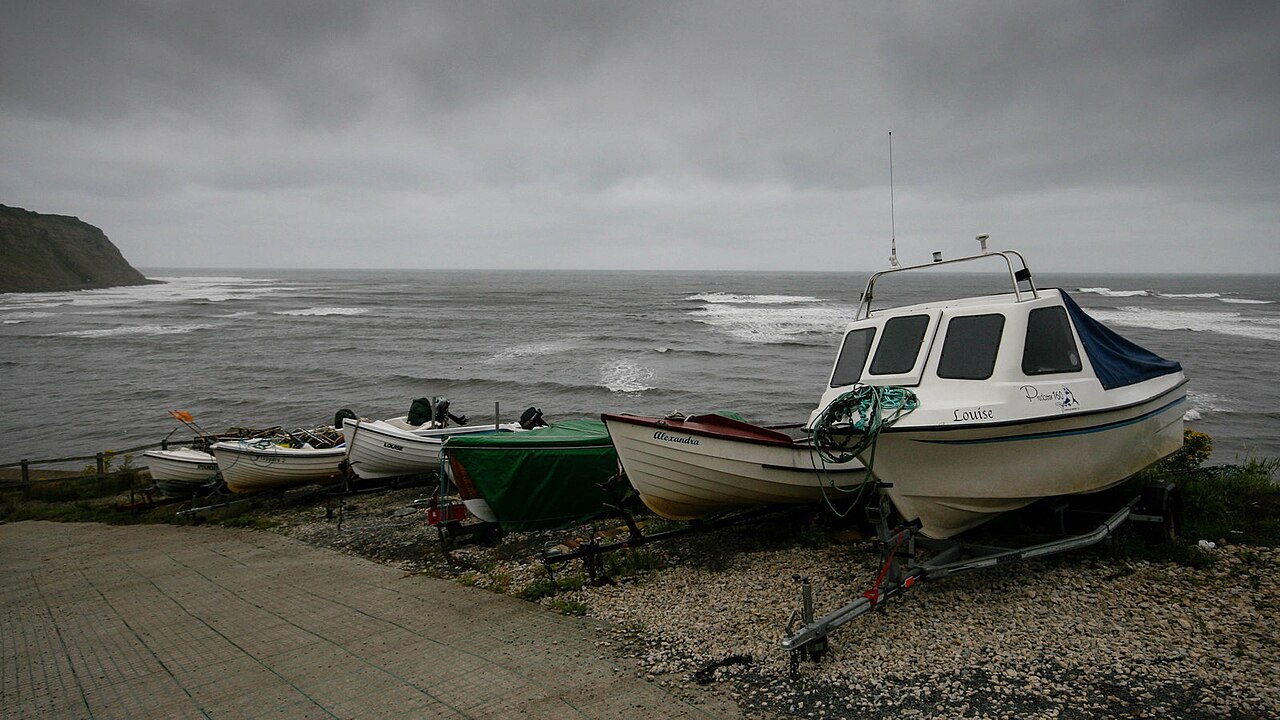
During the late 18th century smuggling was rife on the Yorkshire coast. Tea, gin, rum, brandy and tobacco were run in from the Netherlands and France to avoid the duty, and the village is said to be linked by a network of passages beneath its houses, so that a cargo could pass from the bay to the top of the village without ever seeing daylight.
The smugglers were bold. In 1773 two excise cutters, the Mermaid and the Eagle, were outgunned and chased out of the bay by three smuggling vessels, and in 1779 a pitched battle between smugglers and excise men was fought in the dock over 200 casks of brandy and gin and 15 bags of tea.
Today Robin Hood's Bay is the end of Alfred Wainwright's Coast to Coast walk, which begins at St Bees on the Irish Sea, and it lies on the Cleveland Way national trail. By tradition, walkers dip their boots in the North Sea at the slipway.
Things to Do in Robin Hood's Bay
Wander down the main street and lose yourself in the side alleys, then stop at the Old Coastguard Station by the slipway, a National Trust visitor centre about the coast and its wildlife. Check the tide times and walk out onto the rock scars at low tide to look for ammonites and other fossils.
For the classic view, walk up to the clifftop at the top of the village and look back over the roofs to the sea.
Gardens, Countryside & Antiques near Robin Hood's Bay
Whitby is a short drive north (see our guide to Whitby), and the North York Moors National Park rises behind the village; our guide to the North York Moors has the best of it.
Seabird lovers should continue south past Scarborough to RSPB Bempton Cliffs, and walkers can follow the cliff path south to Ravenscar or tackle a stretch of Wainwright's Coast to Coast in reverse.
Robin Hood's Bay Through the Seasons
Spring and early summer bring seabirds to the cliffs and wild flowers to the coast path. Summer is busy, with families rock-pooling on the scars. Autumn and winter storms are thrilling to watch from the slipway, and they uncover fresh fossils on the beach.
Getting to Robin Hood's Bay
Park at the top of the village (there is no parking at the bottom) and walk down; the road is very steep. Buses run along the coast road from Whitby and Scarborough.
Robin Hood's Bay: Questions & Answers
Can you find fossils at Robin Hood's Bay?
Yes. The rock scars and beach are famous for fossils such as ammonites. Go at low tide and check the tide times, as the sea comes in quickly.
Where do you park in Robin Hood's Bay?
At the top of the village. There is no public parking at the bottom, and the road down is very steep.
Our Advice
Our advice: Check the tide tables before you come, walk out onto the scars at low tide, keep an eye on the incoming sea, and leave plenty of breath for the climb back up.
Facts checked October 2026. Sources: Wikipedia: Robin Hood's Bay · nationaltrust.org.uk. Opening times and prices change, so please check before you travel.