Beauty Spots · Yorkshire
The North York Moors: Heather, Steam Trains, Abbeys & the Best Walks
The North York Moors rise between the Vale of York and the North Sea: a high plateau of heather moorland cut by deep green dales, with a dramatic coastline of cliffs and fishing villages on its eastern edge. The area became a National Park in 1952.
Why The North York Moors Is Special
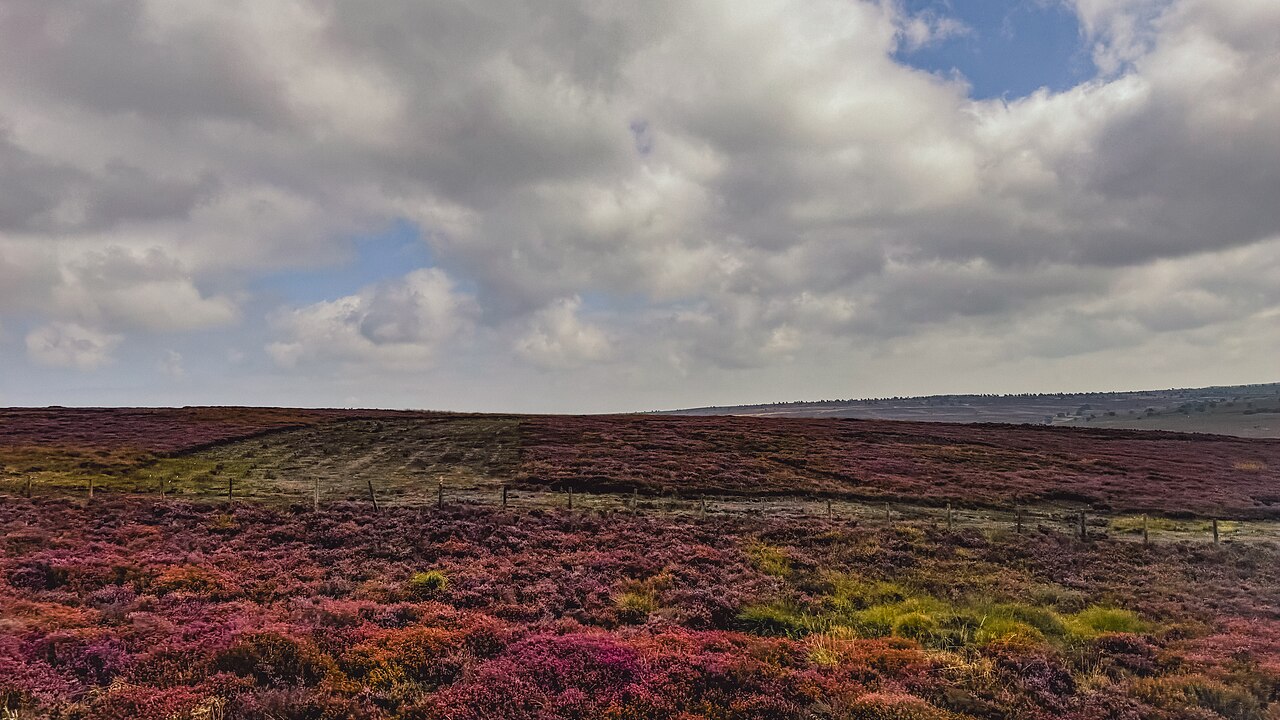
In late summer the moors turn into a sea of purple, one of the great sights of the English countryside, as one of the largest expanses of heather moorland in the country comes into flower.
Below the moors, the dales hide stone villages, ruined abbeys and a heritage steam railway, and to the east the park runs right down to the sea at Robin Hood's Bay and Staithes.
The History of The North York Moors
The moors have been shaped by people for thousands of years. Prehistoric burial mounds crown many of the ridges, and stone crosses and waymarkers guided medieval travellers across the open tops.
In the 12th century the great monasteries came. Rievaulx Abbey, in a wooded valley near Helmsley, was founded in 1132 as one of the first Cistercian houses in England and became one of the richest; its soaring ruins are among the most beautiful in the country.
The North Yorkshire Moors Railway, one of the most popular heritage lines in Britain, follows the route of an early railway from Pickering through Newtondale to Grosmont, with steam trains running on to Whitby. Goathland station played Hogsmeade in the first Harry Potter film, and the village was Aidensfield in the television series Heartbeat.
What to See & the Best Walks at The North York Moors
Ride the steam railway through Newtondale and stop at Goathland for a walk to the Mallyan Spout waterfall. Stand at the Saltergate viewpoint above the Hole of Horcum, a vast natural amphitheatre, and walk down into it.
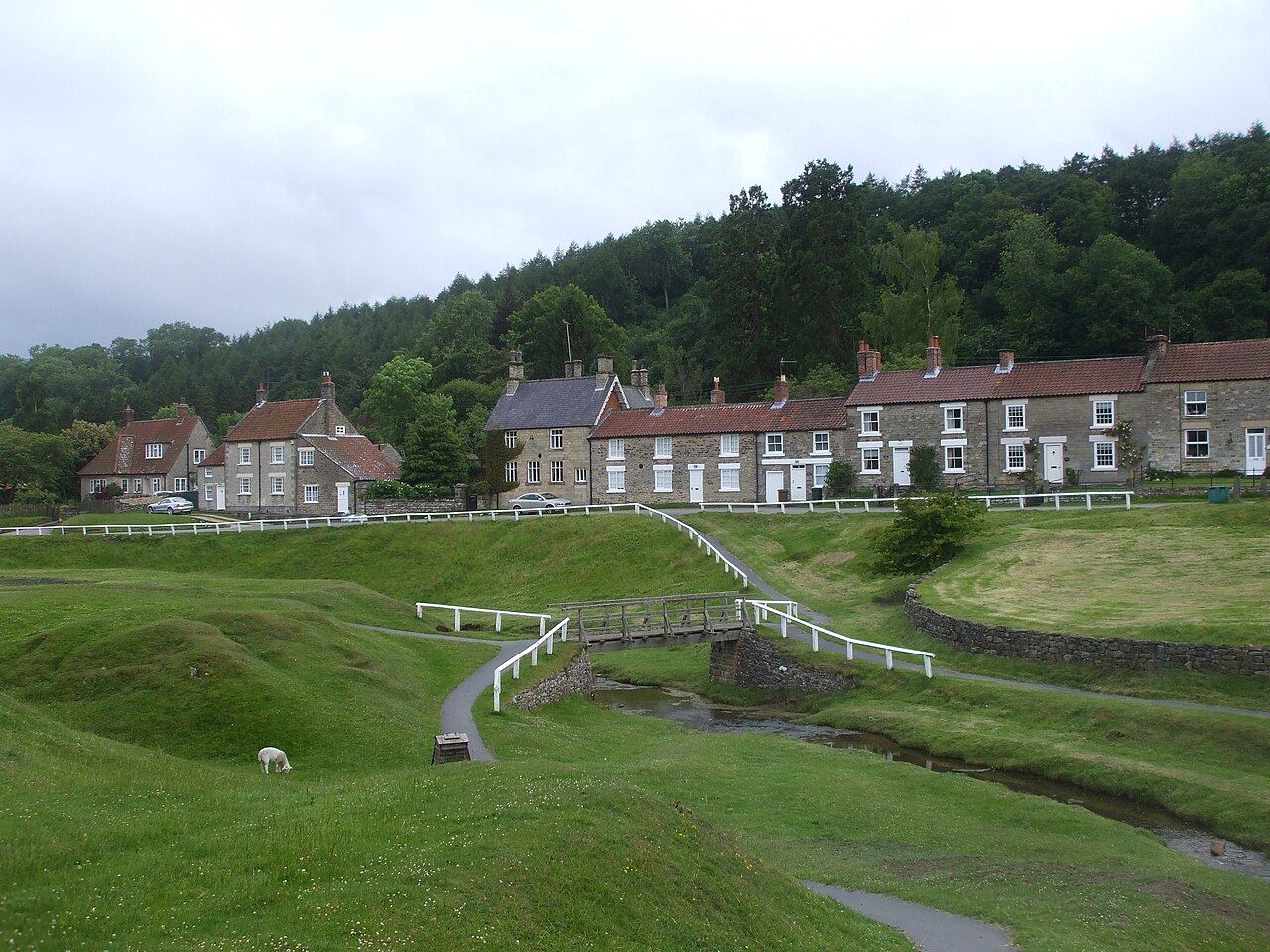
Visit Rievaulx Abbey and the Rievaulx Terrace above it, then Helmsley for its castle and market square. In the pretty village of Hutton-le-Hole, the Ryedale Folk Museum brings moorland life of the past back to life.
Wildlife at The North York Moors
Red grouse, which feed on young heather shoots, are everywhere on the open moor, and merlins, golden plovers and curlews breed here. Along the coast, seabirds nest on the cliffs. Please keep dogs on leads during the ground-nesting season, from March to July.
Gardens, Countryside & Antiques near The North York Moors
See the North York Moors National Park listing for visitor centres. Our guides to Whitby and Robin Hood's Bay cover the coast, and RSPB Bempton Cliffs is a short drive south.
York, with York Antiques Centre, Neptune York and HomeSense York, is less than an hour from Helmsley.
The North York Moors Through the Seasons
Spring brings curlews calling over the moor and lambs in the dales. The heather flowers from about August into September. Autumn colours the wooded dales, and on a clear winter day the views from the tops stretch to the sea.
Getting to The North York Moors
The Esk Valley line from Middlesbrough runs through the northern dales to Whitby, and the North Yorkshire Moors Railway runs from Pickering. Buses link Helmsley, Pickering and Whitby.
The North York Moors: Questions & Answers
When does the heather flower on the North York Moors?
From about August into September, when the moors turn purple.
Which station was Hogsmeade in Harry Potter?
Goathland station on the North Yorkshire Moors Railway played Hogsmeade in the first Harry Potter film.
Our Advice
Our advice: Come in late August for the heather, take the steam train one way and walk part of the way back, and save an afternoon for Rievaulx.
Facts checked October 2026. Sources: Wikipedia: North York Moors · northyorkmoors.org.uk · english-heritage.org.uk. Opening times and prices change, so please check before you travel.