Beauty Spots · Cumbria
The Lake District, Cumbria: Lakes, Fells, History & the Best Walks
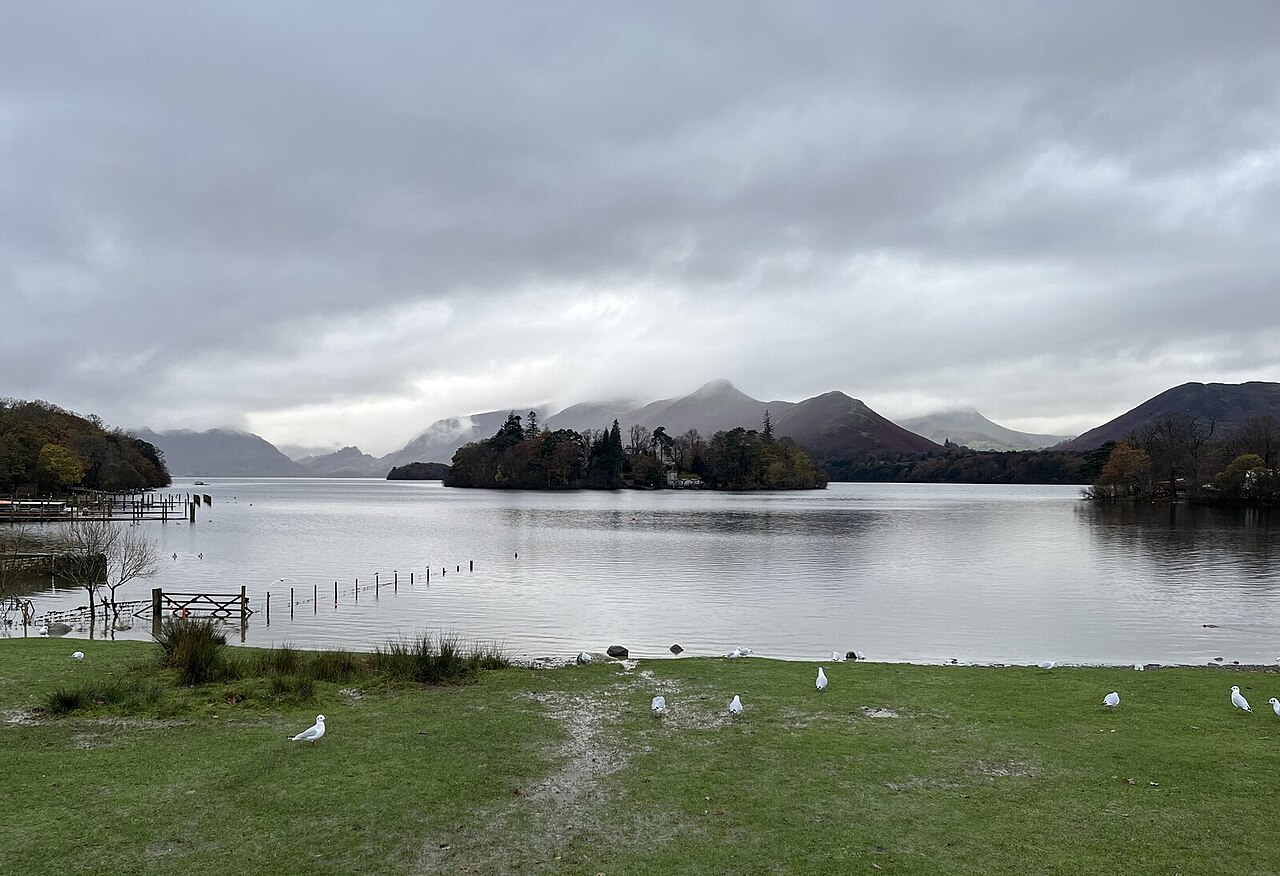
The Lake District fills the heart of Cumbria in the far north-west of England: a cluster of mountains, or fells, radiating from a central dome, with long lakes lying in the valleys between them. It became a National Park on 9 May 1951, a month after the Peak District, and in 2017 it was inscribed as a UNESCO World Heritage Site for its cultural landscape.
Why The Lake District Is Special
Nowhere else in England packs so much drama into so small an area. Here are England's highest mountain, Scafell Pike, its largest natural lake, Windermere, and its deepest, Wastwater, all within a day's walk of one another.
Yet it is a lived-in landscape too, of stone farmhouses, dry-stone walls and hardy Herdwick sheep grazing the fells, shaped by centuries of hill farming. It was that harmony of nature and people that won it World Heritage status.
The History of The Lake District
People have lived here for at least five thousand years. Castlerigg stone circle near Keswick was raised in the Neolithic, and Neolithic people quarried hard volcanic stone high on the Langdale Pikes to make polished axes that travelled all over Britain.
In the late 18th century travellers came in search of the "picturesque", and the Romantic poets made the Lakes famous. William Wordsworth, born at Cockermouth, lived most of his life here, at Dove Cottage and later Rydal Mount, and his Guide to the Lakes taught the world how to look at the landscape. Coleridge and Southey lived at Keswick.
Beatrix Potter first came on family holidays and in 1905 bought Hill Top farm at Near Sawrey with the proceeds of her early books. She became a skilled breeder of Herdwick sheep and, on her death in 1943, left more than 4,000 acres of farms and land to the National Trust, which now cares for a large part of the Lakes.
In the 20th century Alfred Wainwright's hand-drawn Pictorial Guides to the Lakeland Fells, published between 1955 and 1966, inspired generations of fell walkers, and the 214 fells he described are still known as the Wainwrights.
What to See & the Best Walks at The Lake District
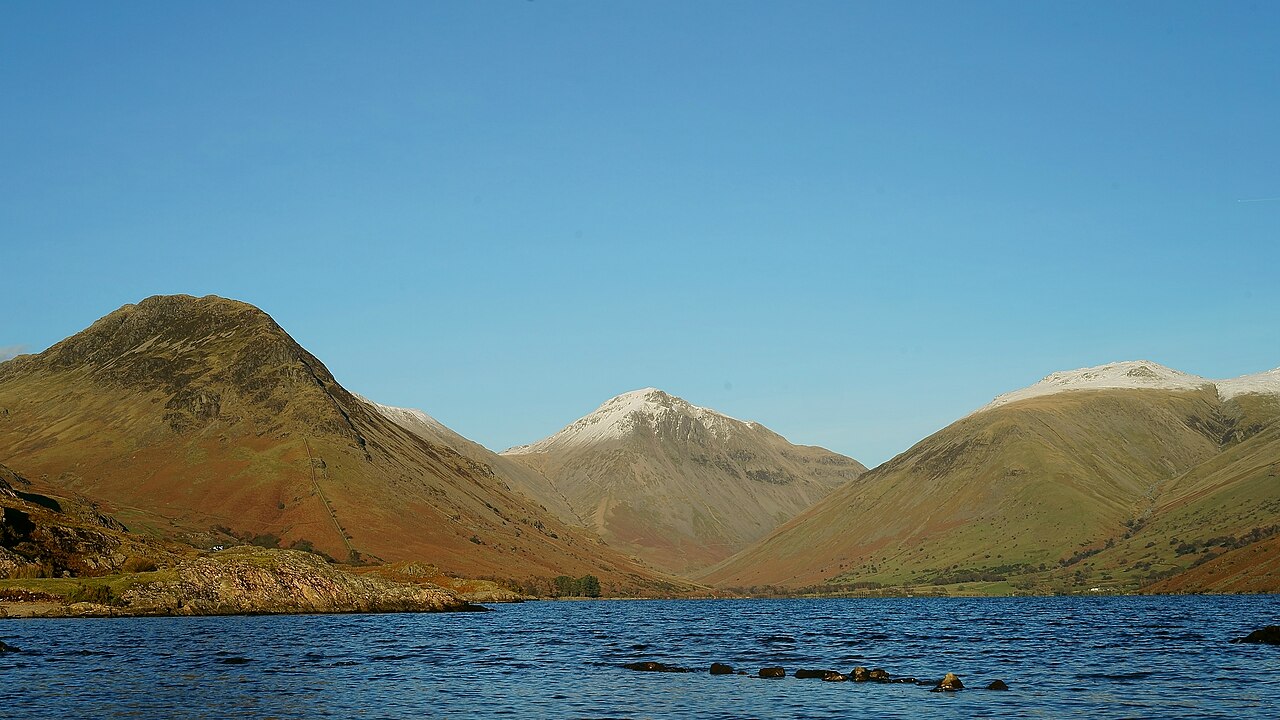
For lakes, take a boat on Windermere from Bowness or Ambleside, or the launch round Derwentwater from Keswick. Drive or walk into Wasdale to see Wastwater with Great Gable rising beyond it, one of the most celebrated views in Britain.
For an easy fell, Catbells above Derwentwater is a short, rewarding climb; Loughrigg Fell near Ambleside and Orrest Head above Windermere give big views for little effort. Walkers with experience can climb Scafell Pike or Helvellyn by Striding Edge in settled weather.
Wildlife at The Lake District
The Lakes are one of the last strongholds of the red squirrel in England, and ospreys have nested near Bassenthwaite Lake since 2001. On the fells you will meet Herdwick sheep, the hardy native breed that Beatrix Potter championed. Please keep dogs on leads near livestock.
Gardens, Countryside & Antiques near The Lake District
See the Lake District National Park listing for visitor centres, and our guide to Grasmere for Wordsworth's village. Gardeners should not miss the topiary of Levens Hall and Holker Hall & Gardens in the south of the county.
Families enjoy the Lake District Wildlife Park, and for browsing, Antiques on High Bowness is on Windermere. To the south, RSPB Leighton Moss and the Arnside & Silverdale National Landscape are wonderful for birds and limestone woodland walks.
The Lake District Through the Seasons
Spring brings lambs, bluebells and Wordsworth's daffodils along Ullswater. Summer is busiest, so start early. Autumn is glorious, with golden bracken and russet woods reflected in still lakes, and winter brings snow to the tops and the quietest valleys of the year.
Getting to The Lake District
Trains run to Windermere from Oxenholme on the West Coast Main Line, and to Penrith for Ullswater and Keswick. Buses link the main towns, and lake steamers make a car-free day easy.
The Lake District: Questions & Answers
What is the highest mountain in the Lake District?
Scafell Pike, which is also the highest mountain in England.
When did the Lake District become a World Heritage Site?
In 2017, when UNESCO inscribed it as a cultural landscape. It has been a National Park since 9 May 1951.
Our Advice
Our advice: Choose one valley rather than trying to see everything, leave the car and walk or take a boat, and always check the mountain weather forecast before going high.
Facts checked October 2026. Sources: Wikipedia: Lake District National Park · lakedistrict.gov.uk · whc.unesco.org. Opening times and prices change, so please check before you travel.