Beauty Spots · Norfolk
The Norfolk Coast: Holkham Beach, Wells, Blakeney & the Best Walks
The north Norfolk coast runs from The Wash past Hunstanton and along a wild shore of salt marshes, creeks, dunes and immense sandy beaches towards Cromer. It is protected as the Norfolk Coast National Landscape, and much of it is a national nature reserve.
Why The Norfolk Coast Is Special
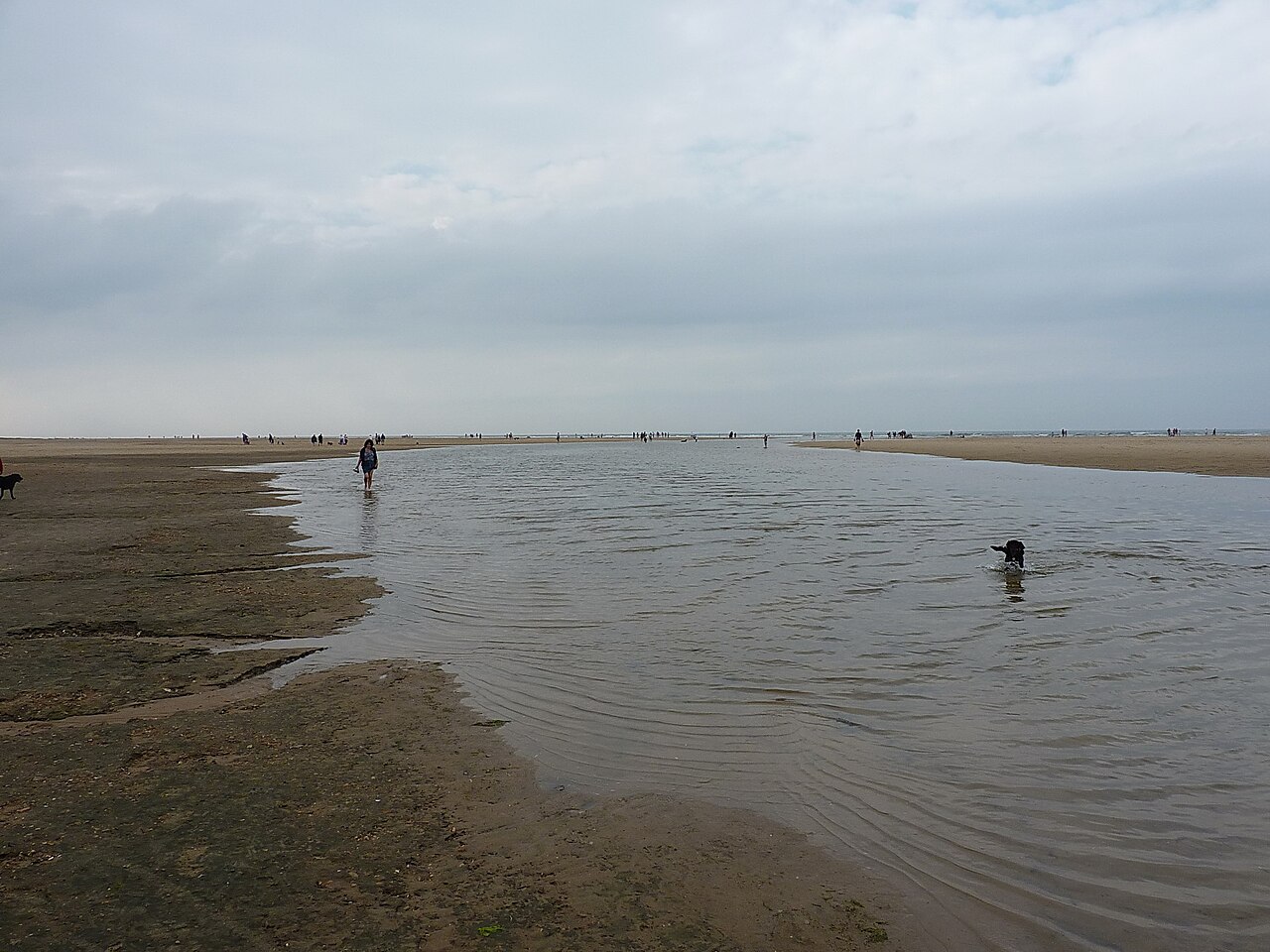
This is a coast of space and light. At low tide the beach at Holkham stretches for miles, backed by pinewoods and dunes, and the marshes and creeks around Wells, Blakeney and Cley are a paradise for birds and for walkers.
Between them lie flint villages, quays and harbours, with excellent pubs, delis and interiors shops along the coast road.
The History of The Norfolk Coast
The great beach at Holkham lies on the estate of Holkham Hall, the Palladian house of the Coke family, Earls of Leicester. The pinewoods behind the beach were planted to stabilise the dunes, and the beach itself became famous in the closing scene of the film Shakespeare in Love (1998).
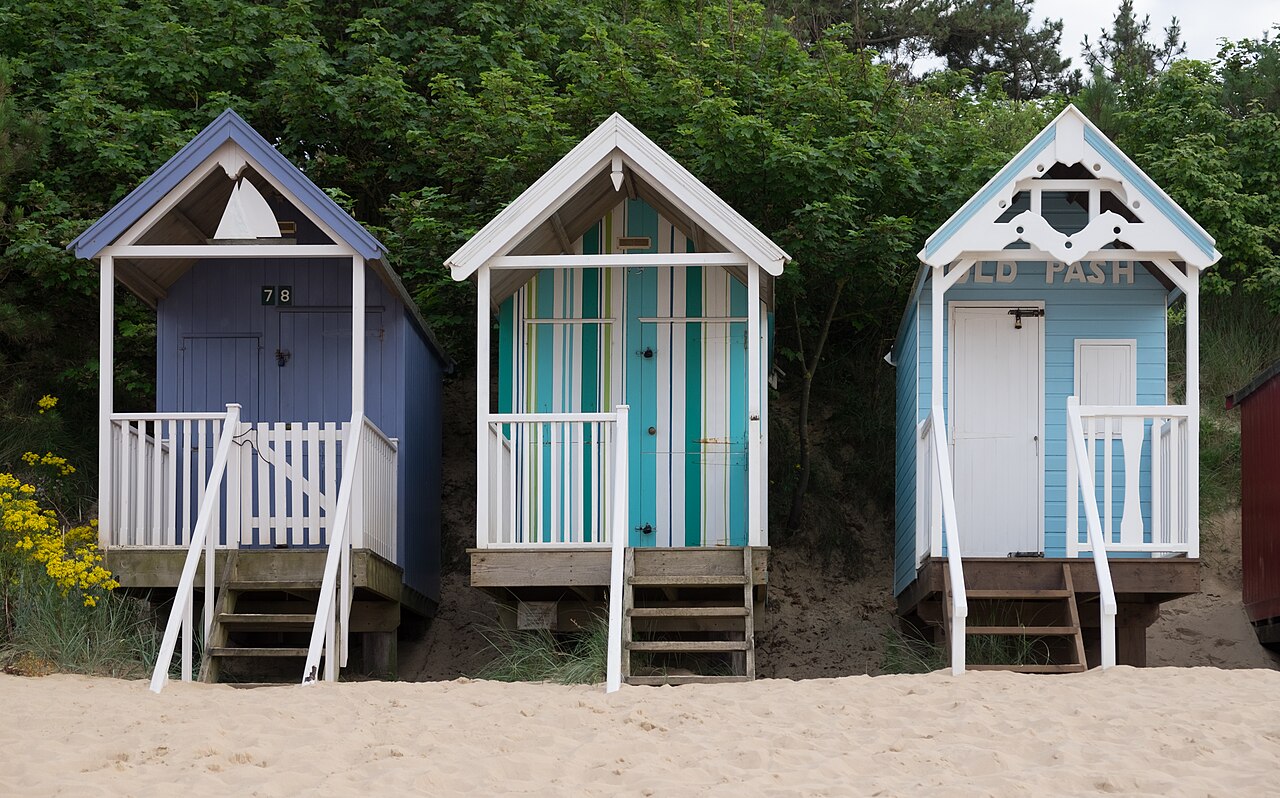
Further east, harbours such as Wells-next-the-Sea and Blakeney were once important ports. Land reclamation from the 17th century onwards silted up their channels, leaving the beautiful salt marshes we see today. Wells still has a working quay, and its long beach is lined with colourful beach huts.
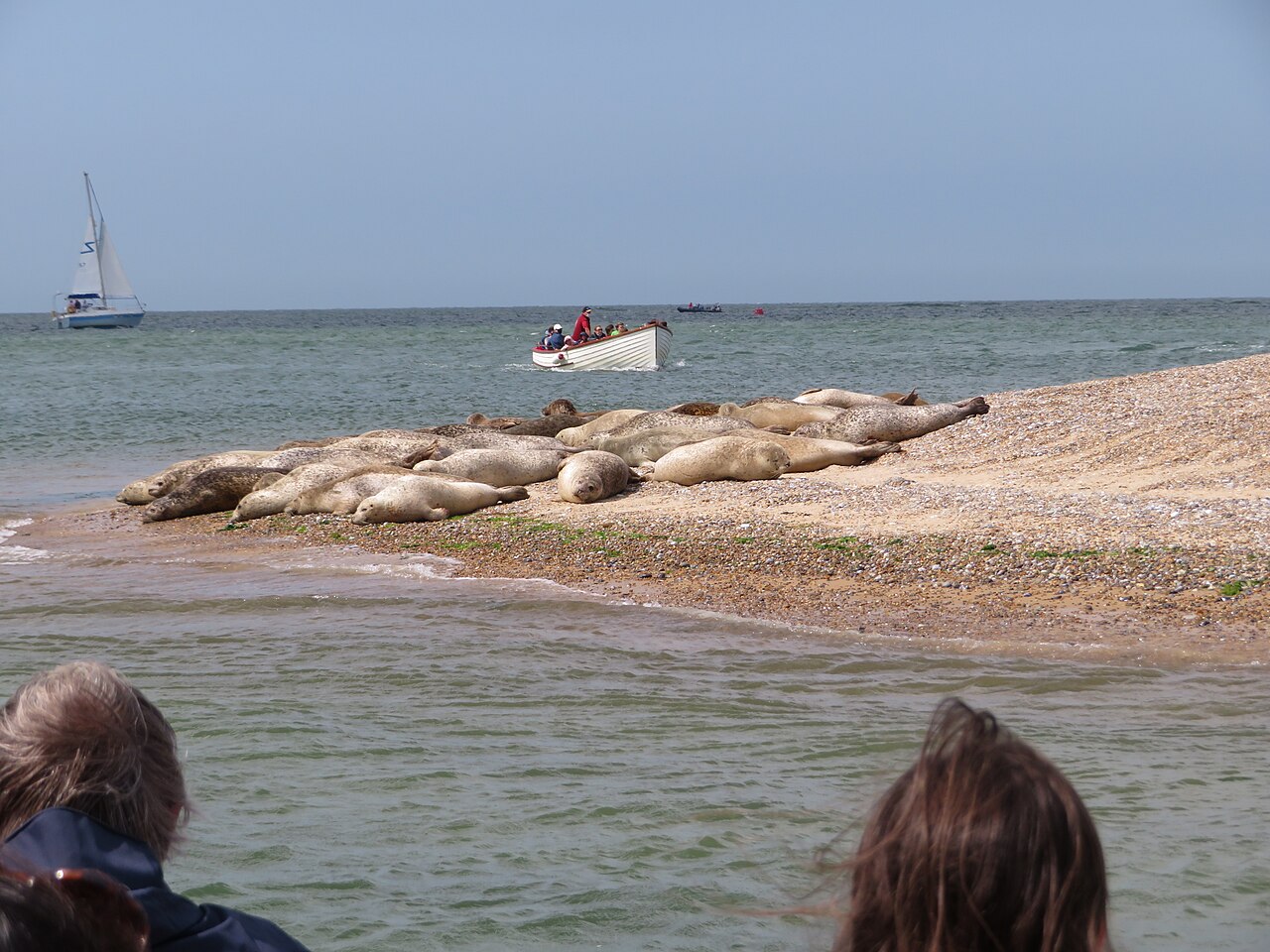
Blakeney Point, a four-mile spit of shingle and dunes, has been managed by the National Trust since 1912, and its colonies of common and grey seals draw visitors from all over the country.
What to See & the Best Walks at The Norfolk Coast
Walk from Lady Anne's Drive at Holkham through the pines to the beach at Holkham Gap, then along the sands to Wells and its beach huts. Take a seal trip from Morston or Blakeney to Blakeney Point.
Walk sections of the coast path along the sea walls between Burnham Overy, Wells, Blakeney and Cley, and visit Cley windmill and the nature reserve at Cley Marshes.
Wildlife at The Norfolk Coast
Each winter tens of thousands of pink-footed geese fly in from Iceland, flighting between their roosts on the coast and the fields inland at dawn and dusk, one of the great wildlife spectacles of Britain. Avocets, marsh harriers and spoonbills can be seen on the marshes, and seals on Blakeney Point.
Gardens, Countryside & Antiques near The Norfolk Coast
See the Norfolk Coast National Landscape listing, and walk the Peddars Way and Norfolk Coast Path. Birdwatchers should visit RSPB Titchwell Marsh.
For shopping, try Nomad and the Bowerbird at Wells, Stiffkey Stores and Ffarr at Burnham Market, and see our guides to Burnham Market and Blakeney.
The Norfolk Coast Through the Seasons
Spring brings migrant birds and terns. Summer is beach season, when Holkham and Wells are at their liveliest. Autumn brings the geese, and winter beach walks under huge skies are unforgettable.
Getting to The Norfolk Coast
The Coasthopper bus runs along the coast road from Cromer and Sheringham, both on the railway from Norwich, and from King's Lynn. Car parks at Holkham and Wells fill early in summer.
The Norfolk Coast: Questions & Answers
When do the pink-footed geese arrive in Norfolk?
They arrive from Iceland in the autumn and stay through the winter, flying between the coast and the fields at dawn and dusk.
Which film was made on Holkham beach?
The closing scene of Shakespeare in Love (1998) was filmed on Holkham beach.
Our Advice
Our advice: Walk the beach from Holkham to Wells, ideally at low tide, and in winter stay till dusk to watch the geese fly in.
Facts checked October 2026. Sources: Wikipedia: Blakeney Point · Wikipedia: Holkham Hall · norfolkcoastaonb.org.uk. Opening times and prices change, so please check before you travel.