Beauty Spots · Norfolk & Suffolk
The Norfolk Broads: Rivers, Windmills, Wildlife & the Best Days Out
The Broads are a network of rivers and shallow lakes, known as broads, in the east of Norfolk and north of Suffolk, between Norwich and the sea. Reed beds, wet woodland, grazing marshes and windpumps line the water, under some of the biggest skies in England.
Why The Norfolk Broads Is Special
The Broads are best seen from the water. With more than 200 kilometres (120 miles) of navigable rivers and lakes, you can hire a day boat or a cruiser and explore at your own pace, mooring at waterside pubs and villages.
It is also one of the richest wildlife areas in Britain, home to rare birds, insects and plants found almost nowhere else.
The History of The Norfolk Broads
For centuries people thought the broads were natural lakes. In the 1950s research showed that they were in fact made by people: they were formed when medieval peat workings, dug for fuel, flooded as sea levels rose.
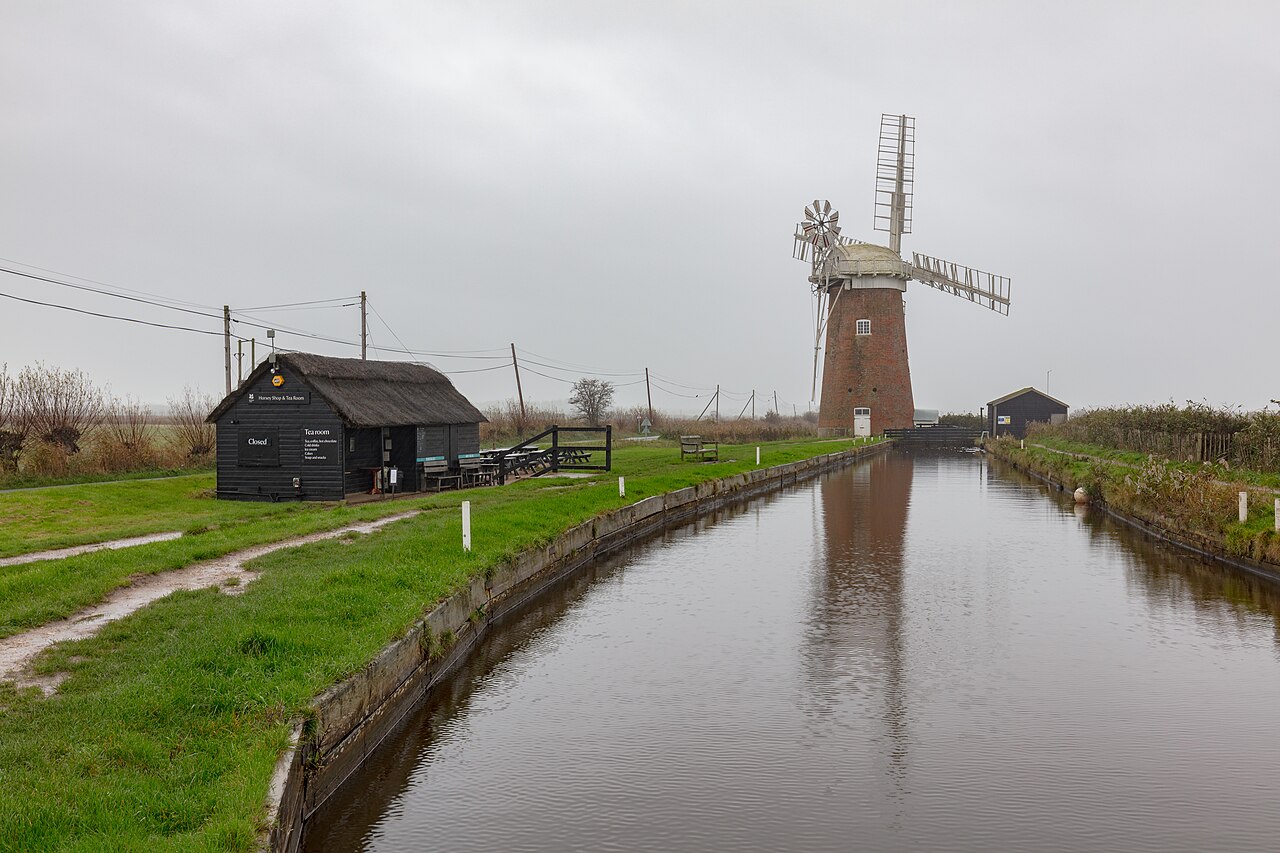
The landscape was later drained for grazing, and hundreds of windpumps were built to lift water from the marshes into the rivers. Many survive as landmarks, among them Horsey Windpump near the coast, cared for by the National Trust.
The Broads and some surrounding land were given a level of protection similar to a National Park by the Norfolk and Suffolk Broads Act 1988. The Broads Authority looks after an area of 303 square kilometres and is also one of the largest inland navigation authorities in the country.
What to See & the Best Walks at The Norfolk Broads
Hire a day boat at Wroxham, Horning or Ranworth and explore the northern rivers, or take a boat trip. Climb the tower of St Helen's church at Ranworth, the "Cathedral of the Broads", for a view over the water and reed beds.
Visit How Hill on the River Ant, with its nature trail and Toad Hole Cottage, a tiny marshman's home, and see Horsey Windpump and Horsey Mere, a short walk from the coast.
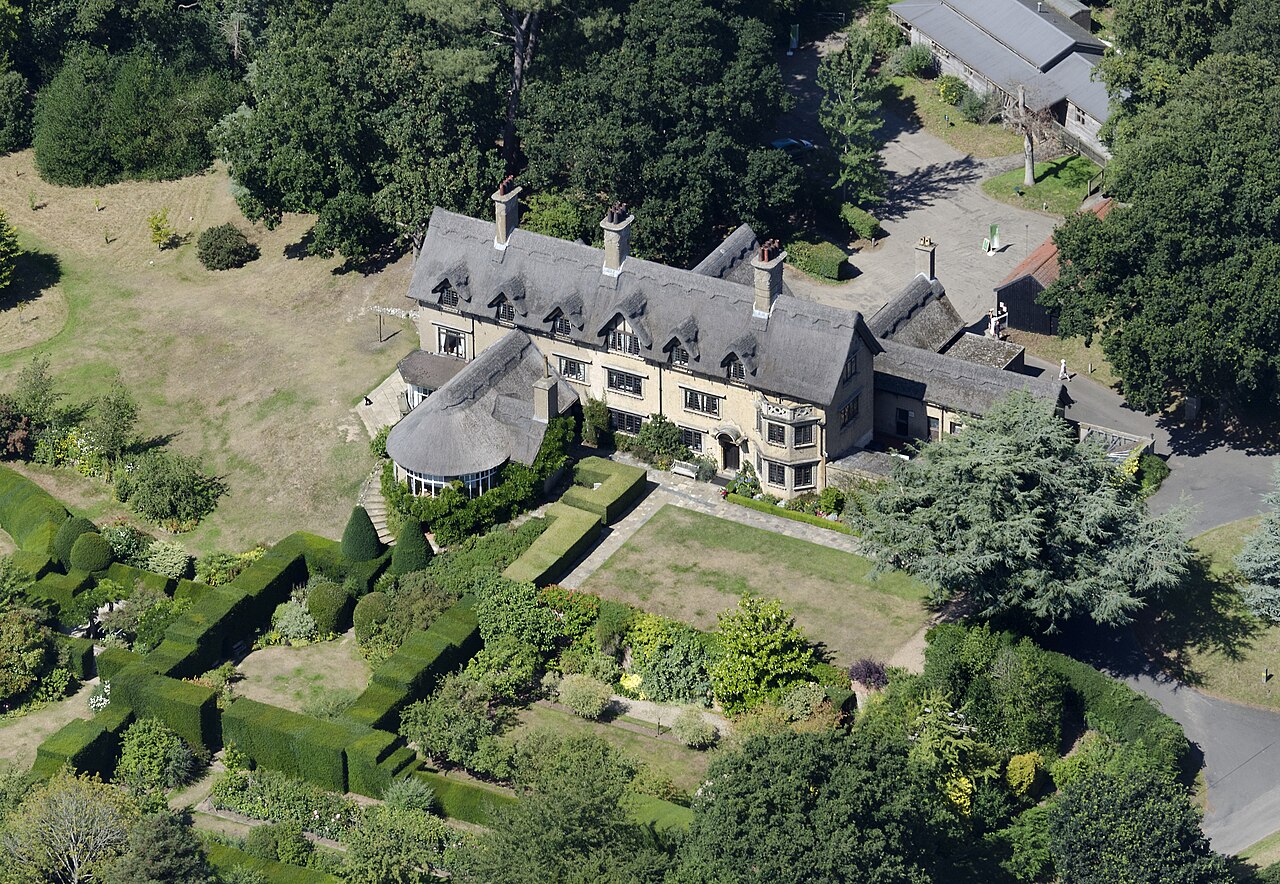
Wildlife at The Norfolk Broads
The Broads are home to the swallowtail, Britain's largest native butterfly, found only here, as well as bitterns, marsh harriers, cranes and otters. In summer look for dragonflies over the water. Please keep to paths and moorings to protect the reed beds.
Gardens, Countryside & Antiques near The Norfolk Broads
See The Broads listing for visitor information. For gardens, East Ruston Old Vicarage is close to the northern Broads, and the Blickling Estate is near Aylsham.
Norwich is a short drive away, with Atwin and the Elm Hill Craft Shop in its medieval lanes, and the coast is covered in our guide to the Norfolk Coast.
The Norfolk Broads Through the Seasons
Spring brings booming bitterns and marsh harriers. June is the time to see swallowtails. Summer is the boating season, autumn brings mists over the water and winter skies full of geese and cranes.
Getting to The Norfolk Broads
Trains from Norwich run to Wroxham (Hoveton), Acle, Brundall and Reedham, all on the water. Boats can be hired in most Broads villages.
The Norfolk Broads: Questions & Answers
Are the Norfolk Broads natural?
No. The broads were formed when medieval peat diggings flooded.
Do you need a licence to hire a boat on the Broads?
No licence is needed to hire a day boat or cruiser; the boatyard shows you how to handle it.
Our Advice
Our advice: Hire a day boat rather than driving: the Broads only reveal themselves from the water. Book ahead in summer.
Facts checked October 2026. Sources: Wikipedia: The Broads · broads-authority.gov.uk. Opening times and prices change, so please check before you travel.