Beauty Spots · The Cotswolds
The Cotswolds: Golden Stone, Wool Churches, Villages & the Best Walks
The Cotswolds are a range of rolling limestone hills stretching south-west from just south of Stratford-upon-Avon to just south of Bath, across Gloucestershire, Oxfordshire, Wiltshire, Worcestershire and Warwickshire. A large area has been protected as a National Landscape since 1966, covering 787 square miles: the largest in England.
Why The Cotswolds Is Special
The Cotswolds are the picture of rural England: honey-coloured villages of Jurassic limestone, dry-stone walls, sheep on the hills, wool churches and market towns with grand houses built by medieval merchants.
They are also home to some of the most celebrated gardens in the country, and to antiques and interiors shops in every market town.
The History of The Cotswolds
The hills are made of Jurassic limestone, quarried for the golden-coloured Cotswold stone that gives the villages their warm glow. The thin soils of the uplands were perfect for grazing sheep.
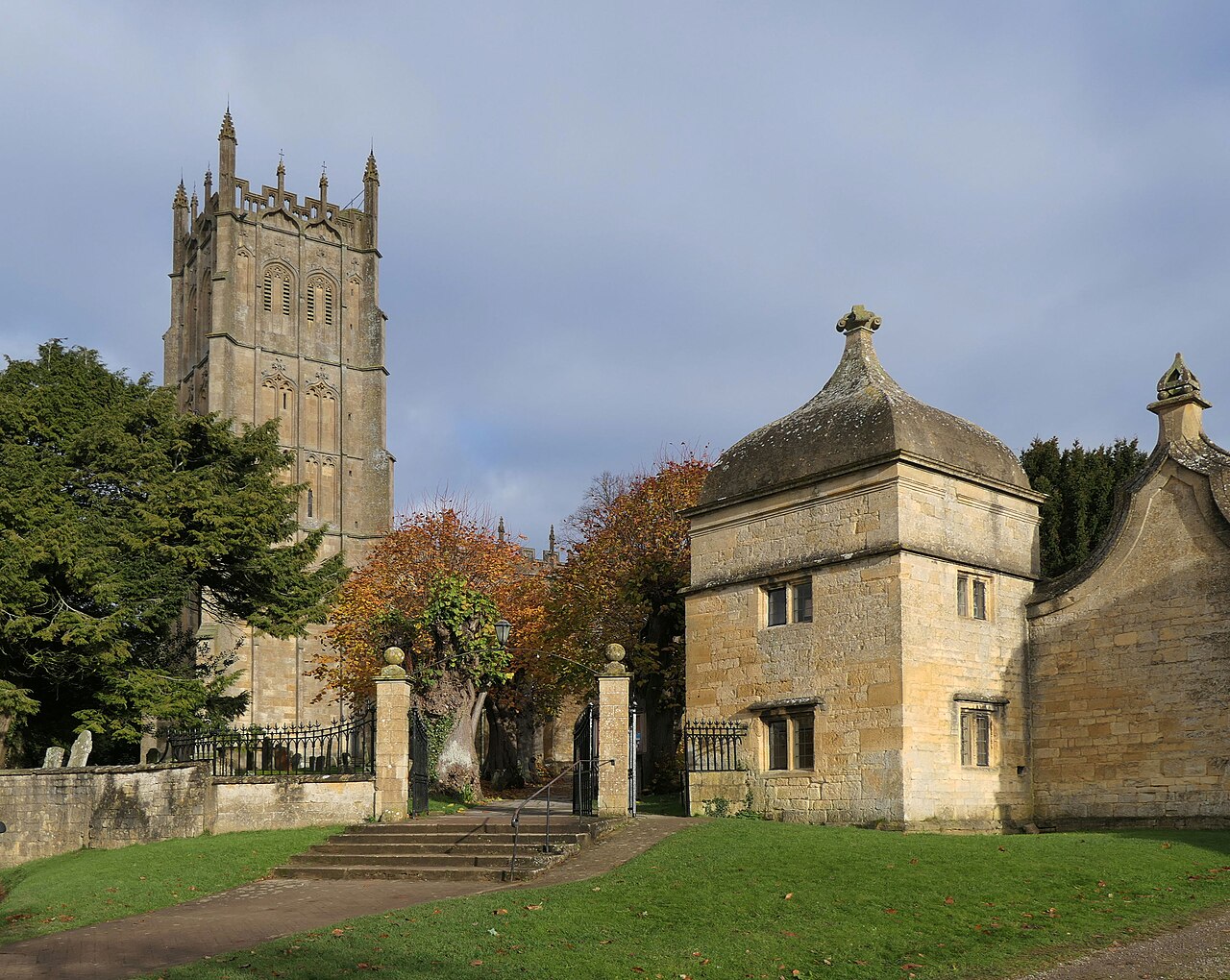
In the Middle Ages the Cotswold sheep, a large breed with long fleece known as the Cotswold Lion, made the region rich, and Cotswold wool was prized across Europe. The wool merchants spent their fortunes on magnificent churches, such as St James at Chipping Campden and the church of St Peter and St Paul at Northleach, which still dominate the little towns.
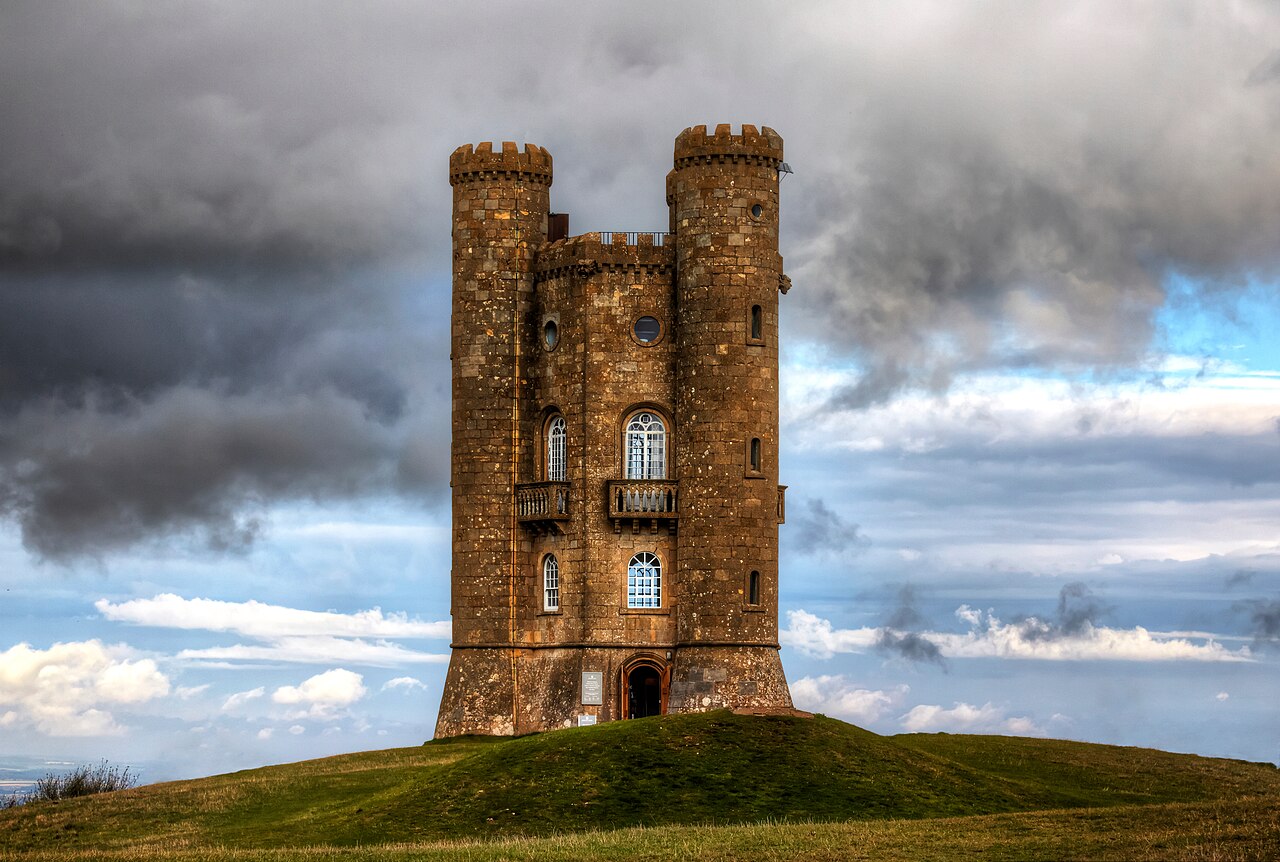
On the escarpment above Broadway, Broadway Tower, a Gothic folly built at the end of the 18th century, stands on one of the highest points of the Cotswolds. William Morris holidayed there, and it is said to have helped inspire him to found the Society for the Protection of Ancient Buildings.
What to See & the Best Walks at The Cotswolds
Visit Chipping Campden for its High Street and wool church, then walk the start of the Cotswold Way up to Dover's Hill and on to Broadway Tower. See Bibury's Arlington Row, Castle Combe and the Slaughters, and stroll beside the River Windrush at Bourton-on-the-Water.
For gardens, visit Hidcote and Kiftsgate Court near Chipping Campden, the Painswick Rococo Garden, and Westonbirt, The National Arboretum in autumn.
Wildlife at The Cotswolds
The limestone grasslands are rich in wild flowers, including orchids, and butterflies such as the chalkhill blue and the Duke of Burgundy. Roe deer and brown hares are common in the fields, and red kites are now often seen overhead.
Gardens, Countryside & Antiques near The Cotswolds
See the Cotswolds National Landscape listing and walk The Cotswold Way. For antiques, Stow-on-the-Wold and Tetbury are full of dealers, with Huntington Antiques at Stow; Daylesford is near Kingham.
Our guides to Bibury, Castle Combe and Lacock cover three of the prettiest villages.
The Cotswolds Through the Seasons
Spring brings blossom and lambs. In June and July the lavender fields near Snowshill are in flower. Autumn colours Westonbirt's maples, and in winter the golden stone glows in the low sun.
Getting to The Cotswolds
Trains from London Paddington stop at Moreton-in-Marsh, Kingham, Charlbury and Kemble, and from the Midlands at Cheltenham and Stroud. Buses link the main towns.
The Cotswolds: Questions & Answers
How big is the Cotswolds National Landscape?
It covers 787 square miles, making it the largest National Landscape in England. It was designated in 1966.
Why are Cotswold churches so large?
Medieval wool merchants grew rich from Cotswold wool and spent their fortunes on churches such as those at Chipping Campden and Northleach.
Our Advice
Our advice: Choose two or three villages rather than racing between them, walk a stretch of the Cotswold Way, and visit on a weekday to avoid the crowds.
Facts checked October 2026. Sources: Wikipedia: Cotswolds · cotswolds-nl.org.uk. Opening times and prices change, so please check before you travel.