Villages & Towns · Wiltshire
Lacock, Wiltshire: Lacock Abbey, Fox Talbot, History & Things to Do
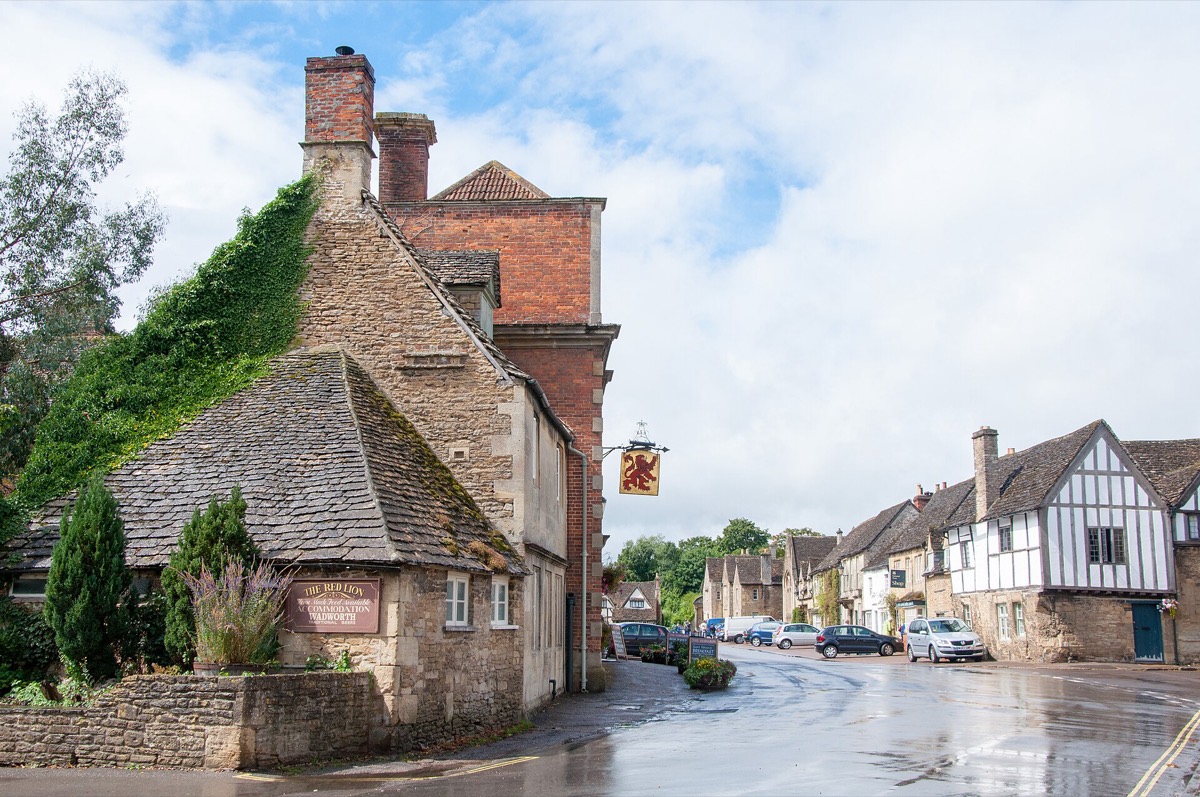
Lacock is a small village on the River Avon, a few miles south of Chippenham, where almost every house is older than the 19th century. Its streets of stone, brick and timber-framed houses have changed so little that film-makers come here to recreate the past.
Why Lacock Is Special
Almost the whole village belongs to the National Trust, which has kept it free of modern development. Walking its four streets is like stepping into another century.
And at its edge lies Lacock Abbey, a medieval nunnery turned country house, where one of the most important inventions of the modern world was made: the photographic negative.
The History of Lacock
Lacock appears in the Domesday Book of 1086, with a population of around 160 to 190, two mills and a vineyard. Its great moment came in 1232, when Ela, Countess of Salisbury, widow of William Longespée, founded an Augustinian nunnery here and endowed it with the manor and village. She laid the first stone in Snail's Meadow on 16 April 1232 and joined the community herself in 1238.
The abbey remained a nunnery until the Dissolution. Henry VIII then sold it to Sir William Sharington for £783. He demolished the abbey church, used its stone to extend the building, and from about 1539 turned the convent into a house, building it over the cloister court so that the medieval cloisters still survive beneath the living rooms. Around 1550 he added an octagonal tower with a treasure room and a banqueting room reached across the roof. During the Civil War the house was fortified for the King and surrendered to Parliament in 1645.
The abbey later passed to the Talbot family, and William Henry Fox Talbot lived on the estate. In 1835 he made what may be the earliest surviving photographic camera negative: a view of the oriel window in the abbey's south gallery. His experiments led to the calotype paper negative process, commercially introduced in 1841, the foundation of photography as we know it.
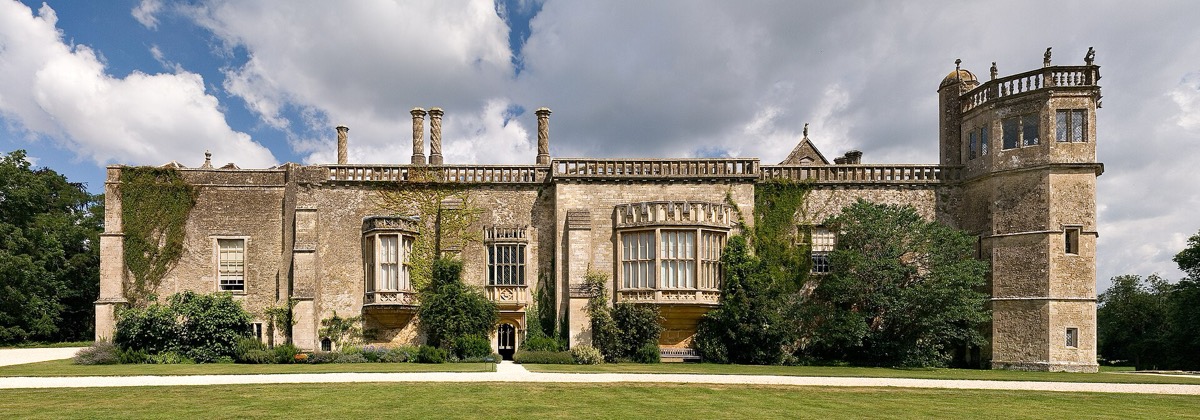
In the village, most of its surviving houses date from the 18th century or earlier, and the 14th-century church of St Cyriac and the 14th-century tithe barn are both Grade I listed, as is the abbey. Next to the tithe barn is a small late 18th-century lock-up. In 1944 Matilda Talbot gave the abbey, the village and the estate to the National Trust.
Lacock's looks have made it a favourite film location: the BBC's Pride and Prejudice (1995) and Cranford (2007), brief appearances in the Harry Potter films, Fantastic Beasts, Beauty and the Beast (2017) and the Downton Abbey film (2019).
Things to Do in Lacock
Lacock Abbey (National Trust; check opening times) has its medieval cloisters, chapter house and sacristy, the Tudor tower and the oriel window of Fox Talbot's famous negative. The Fox Talbot Museum of photography is at the abbey entrance, and the abbey grounds are lovely in every season.
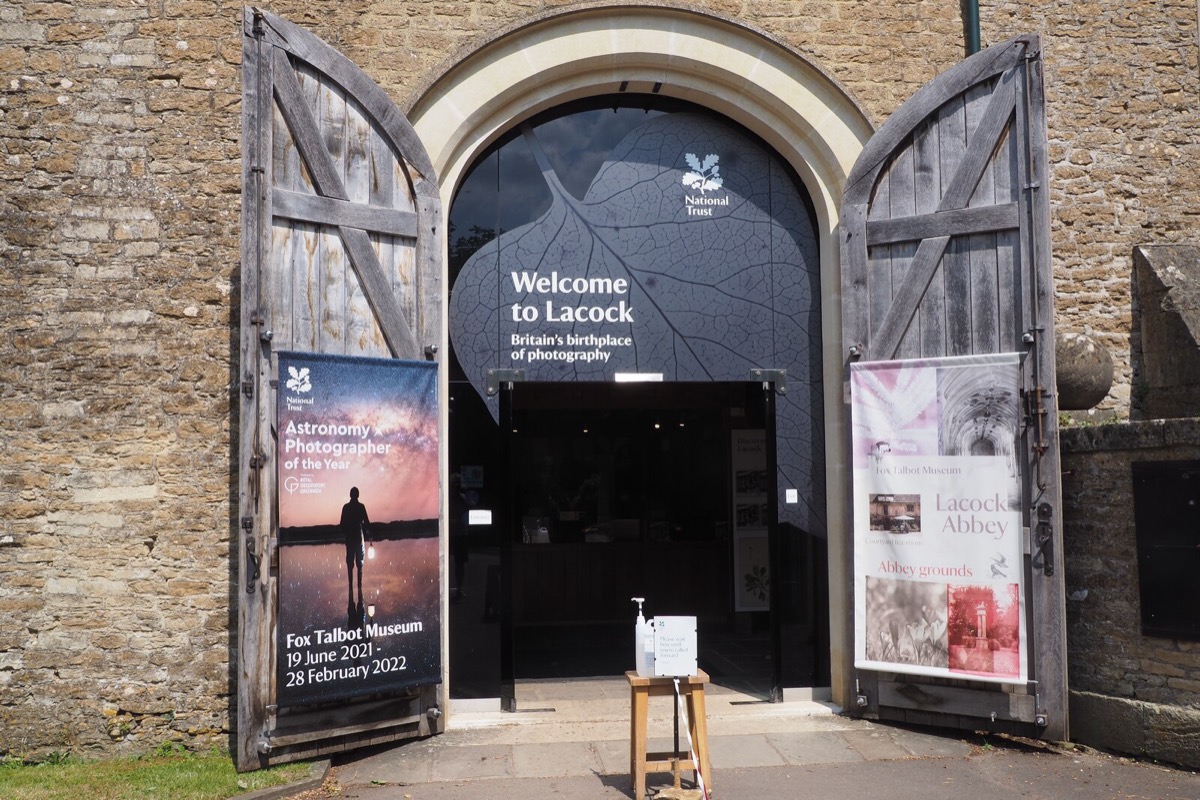
Then walk the village streets, Church Street, West Street, High Street and East Street, past the tithe barn and lock-up to St Cyriac's church. Stop for tea in one of the village tea rooms or at a historic inn.
Gardens, Countryside & Antiques near Lacock
Bath, about a half-hour drive away, is one of the best shopping cities in the West for interiors: try Berdoulat, Graham & Green Bath and Farrow & Ball Bath. Bradford on Avon has Dible & Roy.
Nearby Castle Combe makes a perfect second village for the day; see our Castle Combe guide. Westonbirt, The National Arboretum is about half an hour north, and Stourhead is a little further south.
Lacock Through the Seasons
In early spring the abbey grounds are carpeted with snowdrops and crocuses. Summer brings long evenings in the village, autumn is beautiful at nearby Westonbirt, and in winter the village is quiet and atmospheric, just as it looks in the period dramas.
Getting to Lacock
The nearest railway station is Chippenham, about four miles away, on the main line from London Paddington. Visitors arriving by car use the National Trust car park just outside the village.
Lacock: Questions & Answers
Why is Lacock famous?
Lacock is a National Trust village of historic houses beside Lacock Abbey, where Fox Talbot made what may be the earliest surviving photographic negative in 1835. It is also a favourite film location.
Which films were made in Lacock?
Among them are the BBC's Pride and Prejudice (1995) and Cranford (2007), scenes from the Harry Potter films, Beauty and the Beast (2017) and the Downton Abbey film (2019).
Our Advice
Our advice: Start at the abbey and the Fox Talbot Museum, so that you understand what you are seeing, then walk the village slowly and look up: the rooftops and chimneys are half the pleasure.
Facts checked October 2026. Sources: Wikipedia: Lacock · Wikipedia: Lacock Abbey · nationaltrust.org.uk. Opening times and prices change, so please check before you travel.