Villages & Towns · West Sussex
Steyning, West Sussex: Saxon History, the High Street & Things to Do
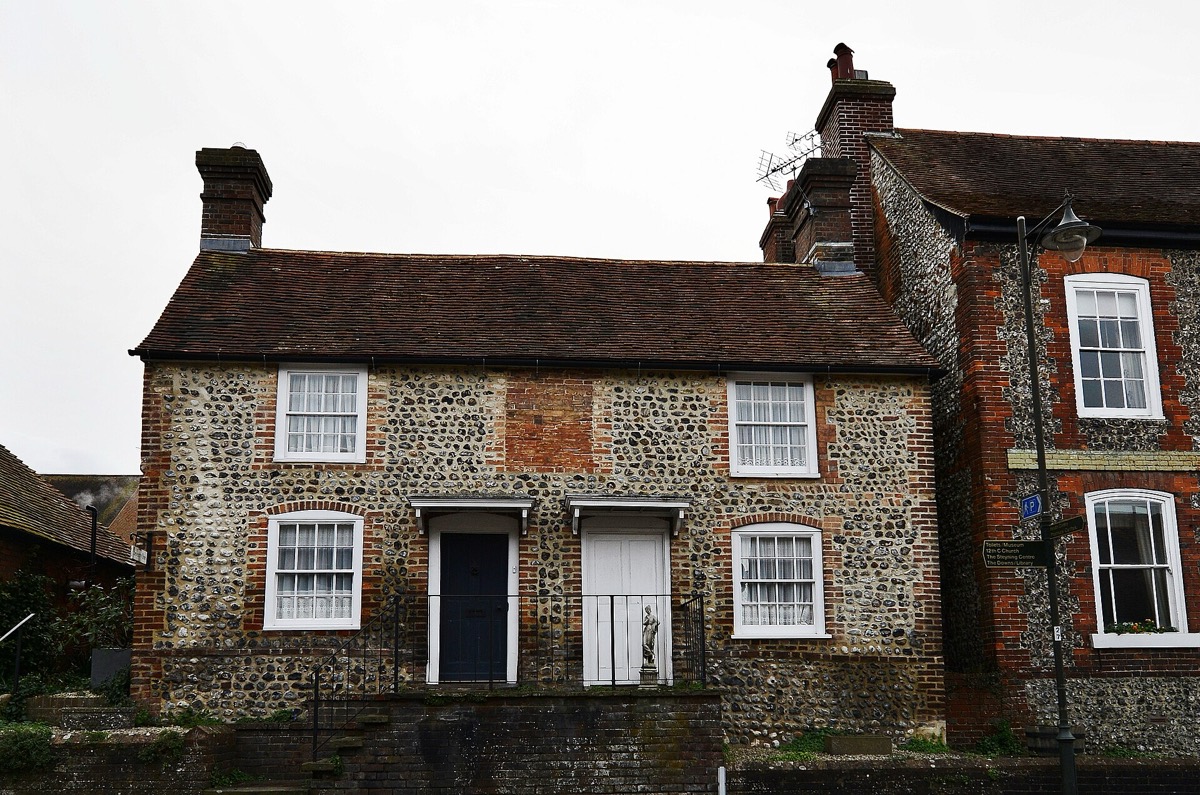
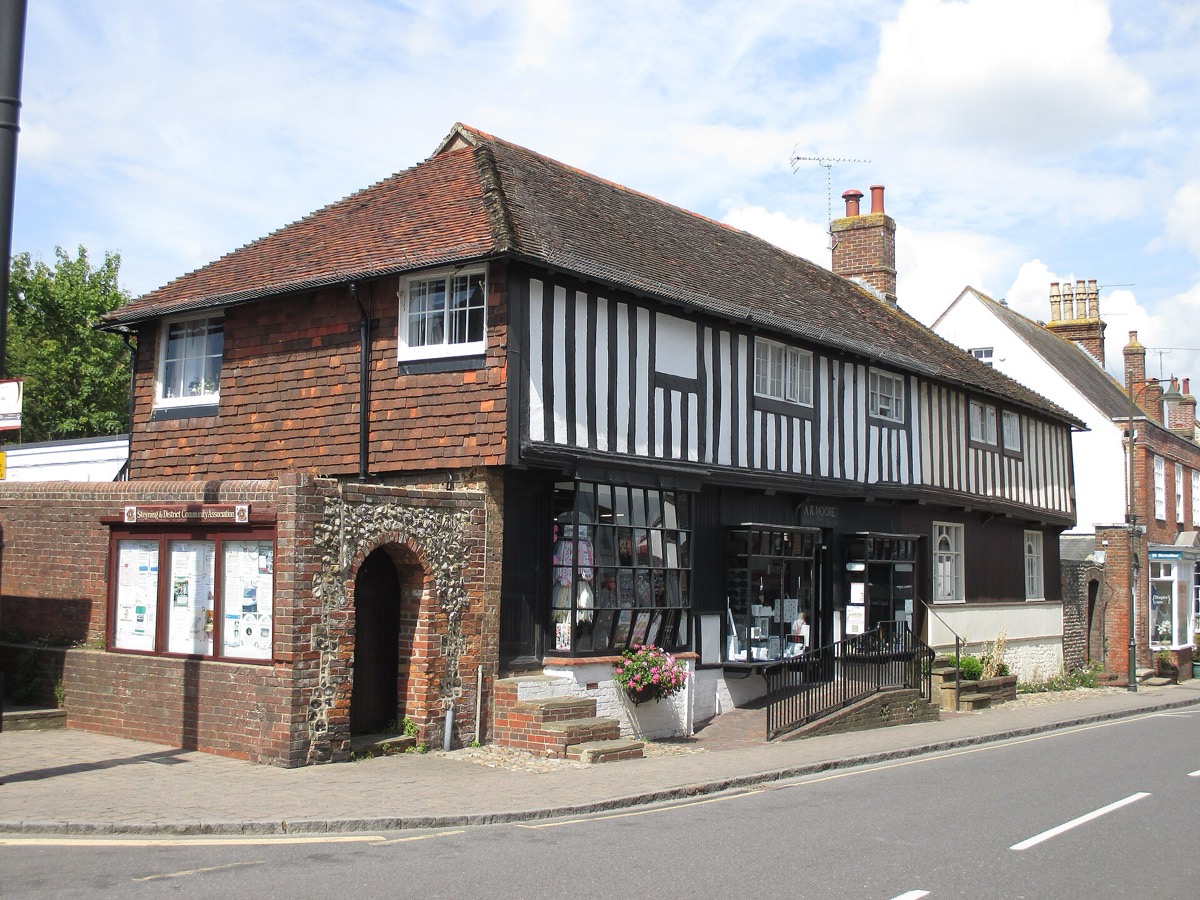
Steyning (pronounced "Sten-ing") is a small market town at the northern end of the Adur gap in the South Downs, four miles north of Shoreham-by-Sea. Its High Street and Church Street are lined with timber-framed houses and flint cottages, and the Downs rise steeply behind the town.
Why Steyning Is Special
Steyning is one of the most historic small towns in Sussex, yet it feels lived-in rather than polished: independent shops, cafés, old pubs and a busy community, with the South Downs Way a short climb away.
It sits beside its neighbours Bramber and Upper Beeding at an ancient crossing of the River Adur, so in one short walk you can see a Saxon church, a Norman castle and some of the finest old houses in the county.
The History of Steyning
Steyning's name may come from the Old English stāning, "the stone people" or "dwellers at the stony place". Its story begins with a legend: St Cuthman, a shepherd boy, is said to have pushed his mother here in a wheelbarrow and built a church where he stopped. The church, once dedicated to him, later to St Andrew, is now dedicated jointly to St Andrew and St Cuthman, and the town's signs still show his journey.
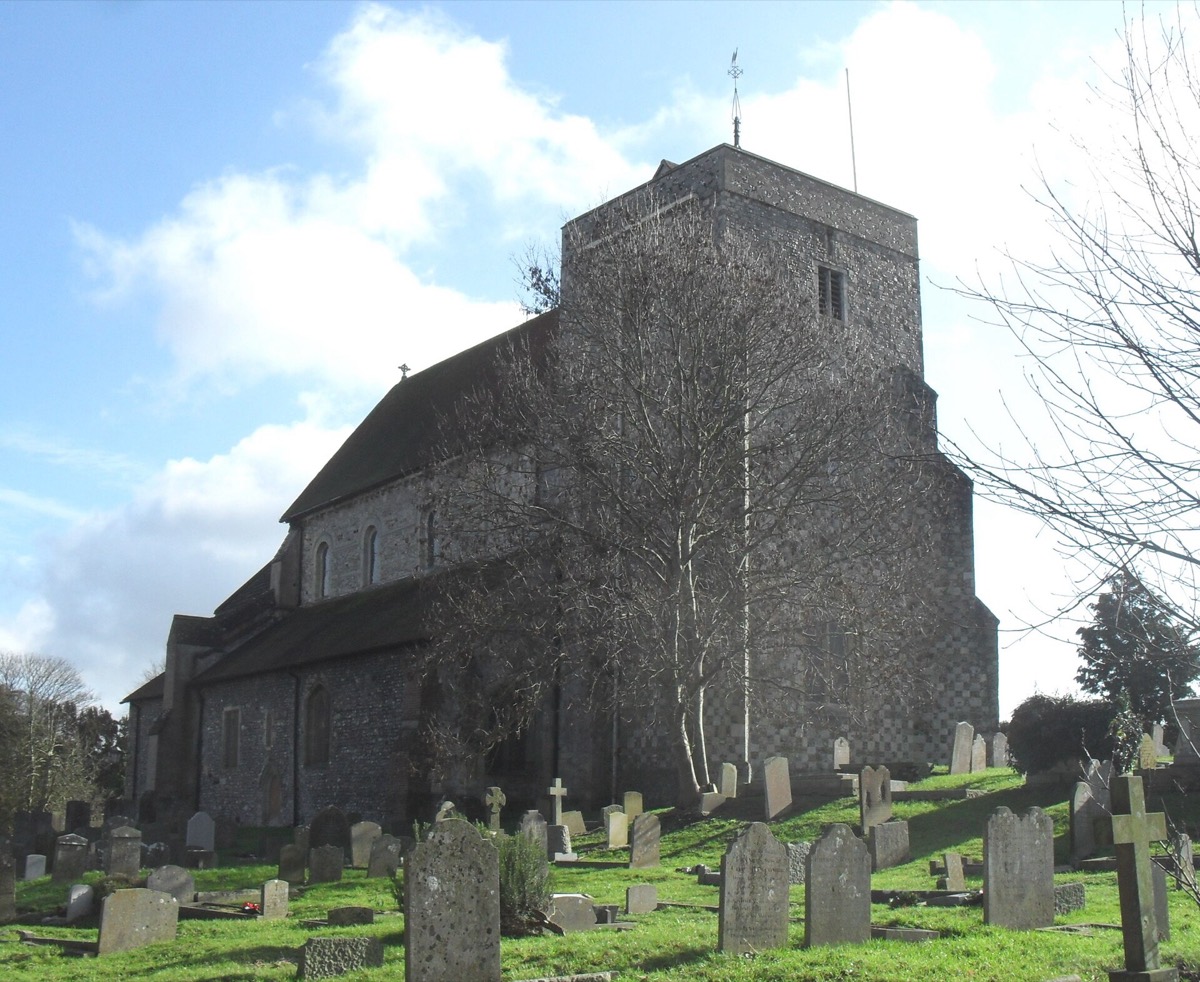
In 858, according to the Annals of St Neots, King Ethelwulf of Wessex, father of Alfred the Great, was buried in Steyning's church; his body was later moved to Winchester, probably by Alfred. A carved Saxon grave slab, possibly his, survives in the church porch.
By the 11th century Steyning was a thriving port on the Adur, with a market, a royal mint and two churches. Edward the Confessor granted the minster church and its rich lands to the abbey of Fécamp in Normandy, and the gift was confirmed by William the Conqueror. A long and bitter dispute followed with William de Braose, the Norman lord of neighbouring Bramber; in 1086 the king himself presided over a full day of hearings, and the abbey won.
In the 14th century the Adur began to silt up, and the port declined. Steyning sent two members to Parliament from 1278 and, as a depopulated old port, remained a rotten borough until the Reform Act of 1832. In 1614 William Holland, an alderman of Chichester, founded Steyning Grammar School. The railway arrived in 1861 and closed in 1966, and in 1891 the Irish politician Charles Stewart Parnell married Katharine O'Shea here.
Things to Do in Steyning
Walk the High Street and Church Street to see the timber-framed houses, then visit the church of St Andrew and St Cuthman, with its great Norman nave and the Saxon slab in the porch. The Steyning Museum tells the town's story.
Cross to Bramber to see the ruins of Bramber Castle, the de Braose stronghold, on its mound above the river, then follow the Downs Link or the riverside paths along the Adur.
Gardens, Countryside & Antiques near Steyning
Climb the Steyning Bowl onto the Downs and walk west along the South Downs Way to Chanctonbury Ring, the famous hill fort and beech ring; see our guide to the Downland Landmarks. Devil's Dyke is a short drive east.
Knepp Wildland, where white storks now breed, is a short drive north, and Parham House and Gardens lies to the west. Henfield is a few miles up the Adur valley; see our Henfield guide.
Steyning Through the Seasons
Spring brings cowslips and orchids to the downland above the town. Summer is the time for long walks on the ridge, autumn colours the hangers, and in winter the old pubs of the High Street are at their cosiest.
Getting to Steyning
Steyning no longer has a railway station; the nearest are Shoreham-by-Sea, about four miles south, and Hassocks. Buses run between Steyning, Shoreham and Brighton.
Steyning: Questions & Answers
How do you pronounce Steyning?
Steyning is pronounced "Sten-ing".
Who is buried in Steyning church?
According to the Annals of St Neots, King Ethelwulf of Wessex, father of Alfred the Great, was buried here in 858; his body was later moved to Winchester.
Our Advice
Our advice: Combine the town with a climb onto the Downs: walk up to Chanctonbury Ring in the morning, come back down for lunch on the High Street, and finish at Bramber Castle.
Facts checked October 2026. Sources: Wikipedia: Steyning · steyningmuseum.org.uk · english-heritage.org.uk. Opening times and prices change, so please check before you travel.