Villages & Towns · West Sussex
Henfield, West Sussex: History, the Common & Things to Do
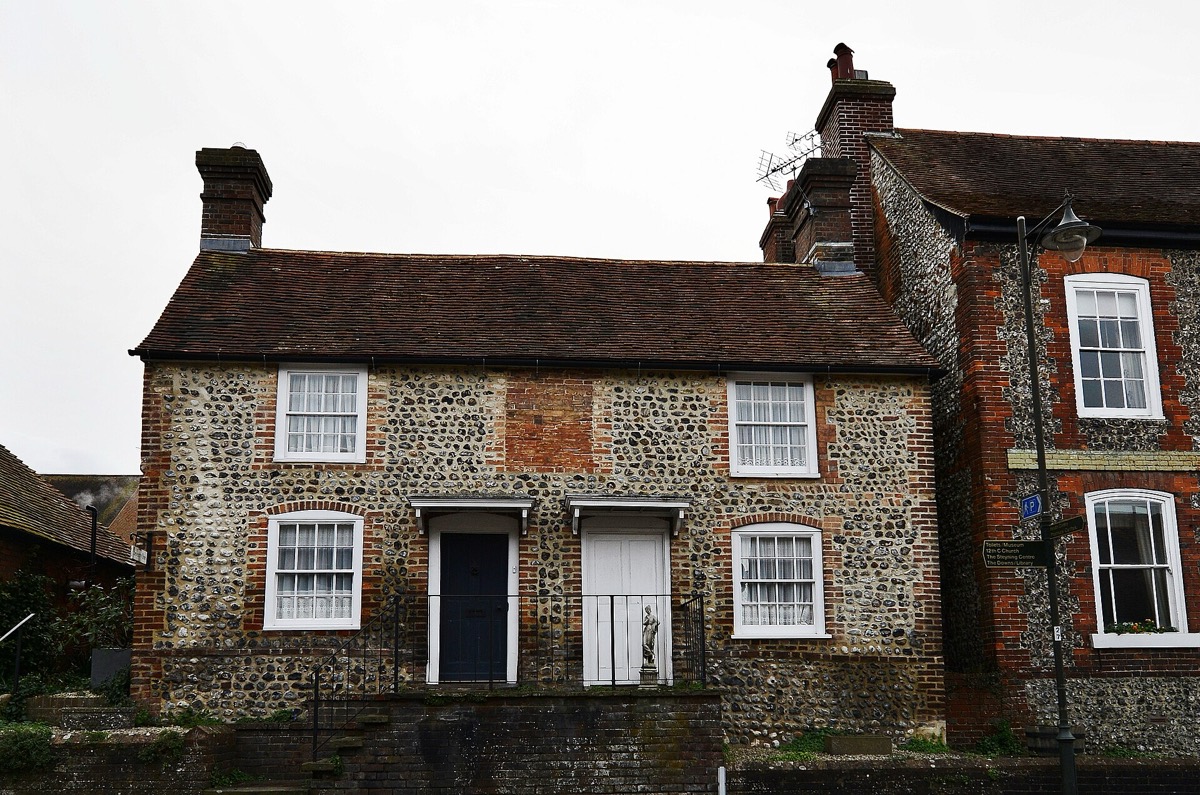
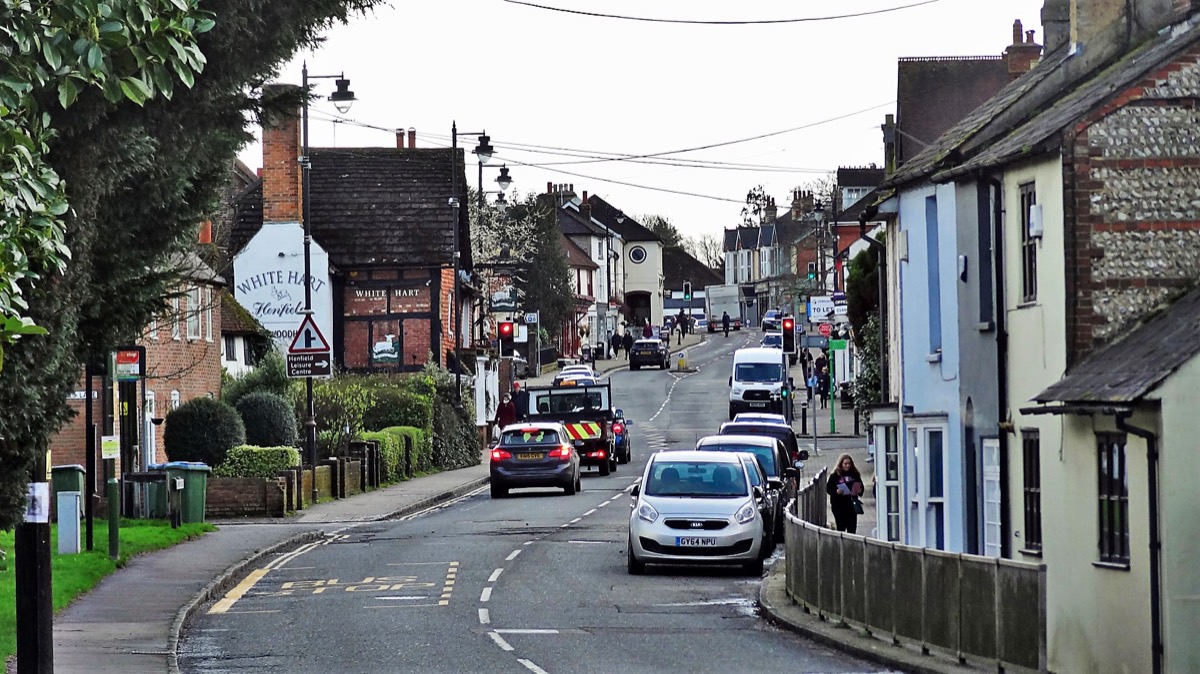
Henfield is a large village in the heart of West Sussex, about twelve miles north-west of Brighton, set on a low ridge above the meeting of the two branches of the River Adur. It has an old centre of tile-hung and timber-framed houses, a 13th-century church, old inns and a wide common.
Why Henfield Is Special
Henfield is not a show village; it is a real Sussex village with a High Street of independent shops, a museum and a strong community, and that is its charm.
It is also wonderfully placed: the South Downs rise to the south, the Adur water meadows spread out to the west, and the old railway line, now the Downs Link path, carries walkers and cyclists through the countryside.
The History of Henfield
Henfield was already a large village of 52 households when the Domesday Book was compiled in 1086. Its parish church of St Peter dates from the 13th century and stands at the heart of the old village.
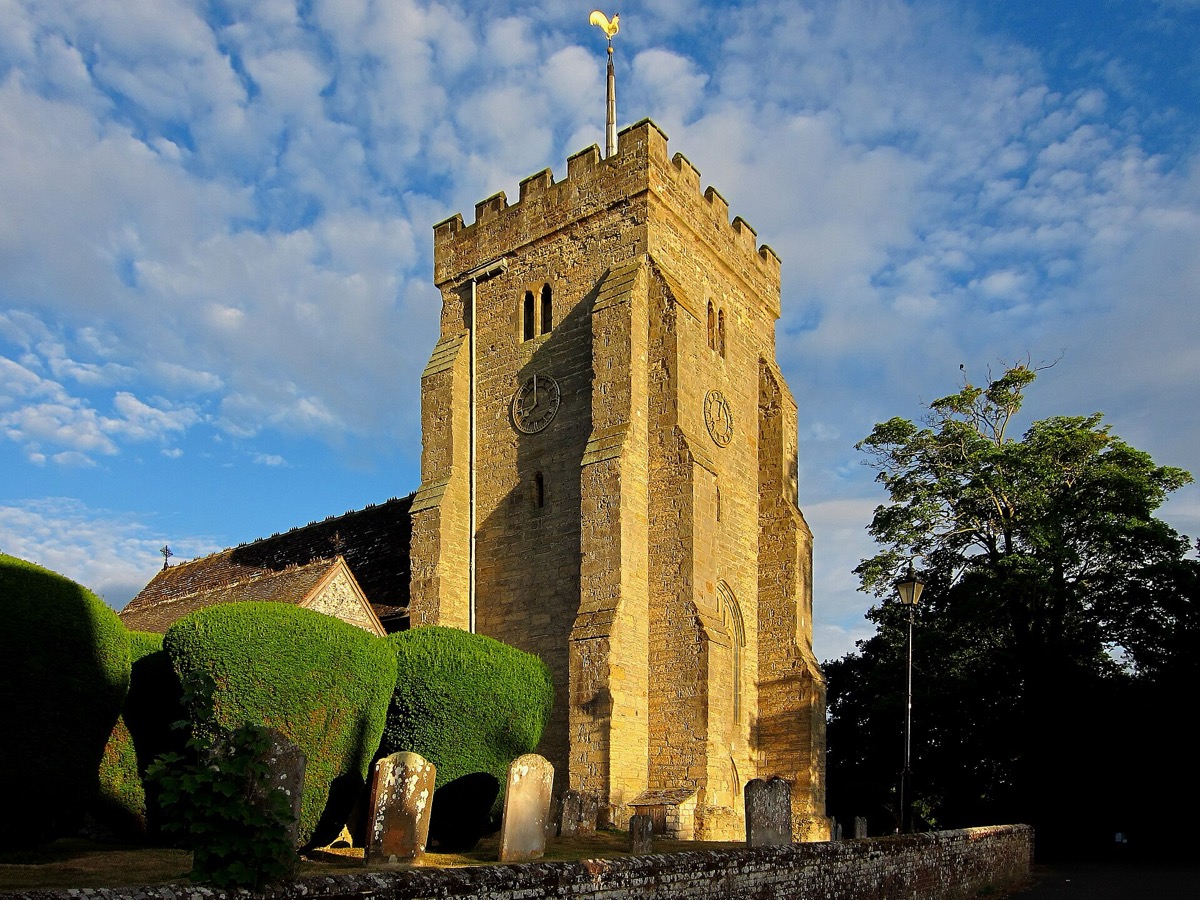
The village has some remarkable firsts. Henfield's cricket club, dating back to 1771, is one of the oldest in the world, and 1st Henfield is officially the oldest Scout group in the country: it was started in the winter of 1907–08 by Audrey Wade and had 36 scouts when it was registered in 1908.
Henfield was the home of Colonel Henry Bishop, appointed Postmaster General by Charles II in 1661, who introduced the first postmark; the Henfield Stamp Club celebrated his invention in 1963. The botanist William Borrer, a great expert on the flora of the British Isles, was born and died in Henfield.
In the early 20th century the village played a part in the campaign for women's votes. After the "Cat and Mouse" Act of 1913, the suffragette and writer Elizabeth Robins used her 15th-century farmhouse at Backsettown, near Henfield, which she shared with Octavia Wilberforce, as a retreat for suffragettes recovering from hunger strike. Robins became the first president of the Henfield Women's Institute in 1917.
The railway reached Henfield in the Victorian era and closed in 1966; its route is now the Downs Link. Henfield Museum, begun in the 1930s, has been in Henfield Hall since 1974 and holds collections on local people and businesses, including the Allen-Brown violet nurseries.
Things to Do in Henfield
Wander the High Street and the lanes around St Peter's church, then cross to the common, which was once famous for its rich wild flowers. Henfield Museum, in Henfield Hall, is a treasure trove of village life.
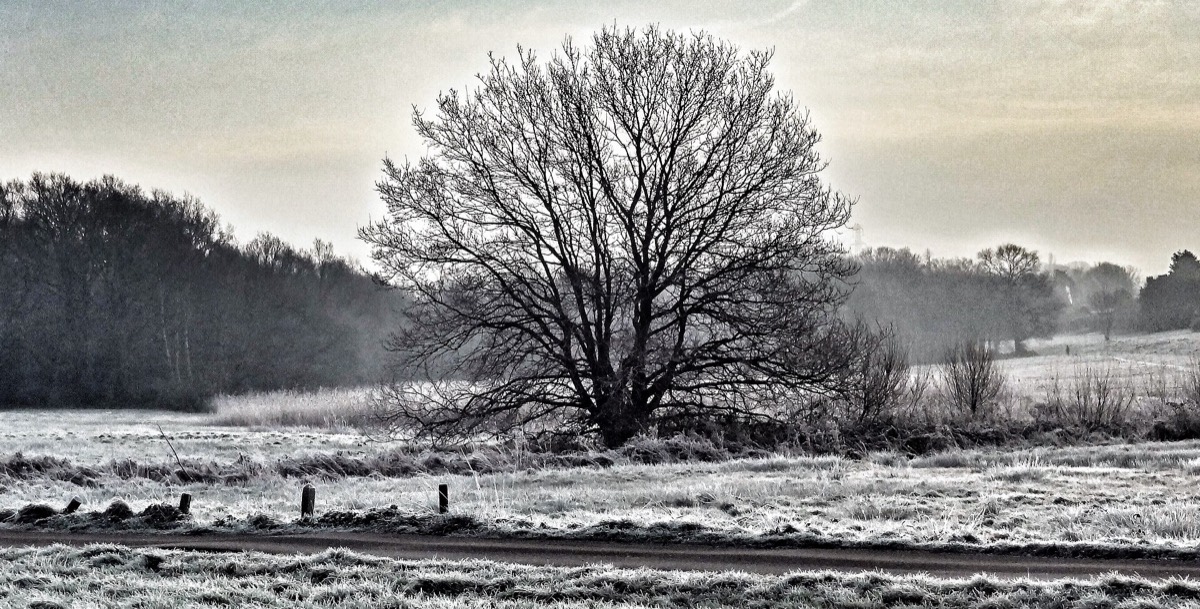
Walk or cycle a stretch of the Downs Link along the old railway, or follow the paths down to the Adur at Betley Bridge, where the two branches of the river meet.
Gardens, Countryside & Antiques near Henfield
Knepp Wildland, the famous rewilding project where white storks breed again, is just a few miles north-west. Steyning lies a few miles south down the Adur valley; see our Steyning guide.
Devil's Dyke and the South Downs National Park are close; see our Downland Landmarks. For great gardens, Nymans and Wakehurst are within half an hour.
Henfield Through the Seasons
Spring is lovely on the common and along the Adur. Summer brings cricket and village events, autumn is perfect for walking the Downs Link, and winter walks on the water meadows can be wonderful for birds.
Getting to Henfield
Henfield no longer has a railway station; the nearest are Hassocks and Shoreham-by-Sea. Buses link Henfield with Brighton and Horsham.
Henfield: Questions & Answers
How old is Henfield cricket club?
Henfield's cricket club dates back to 1771, making it one of the oldest in the world.
What is near Henfield?
Knepp Wildland, Steyning, Devil's Dyke and the South Downs, Nymans and Wakehurst are all within a short drive.
Our Advice
Our advice: Pair Henfield with a morning at Knepp or a walk on the Downs Link, and don't miss the museum: it tells the story of a Sussex village better than almost anywhere.
Facts checked October 2026. Sources: Wikipedia: Henfield · henfieldmuseum.co.uk. Opening times and prices change, so please check before you travel.