Villages & Towns · West Sussex
Amberley, West Sussex: Thatched Cottages, the Castle, History & Things to Do
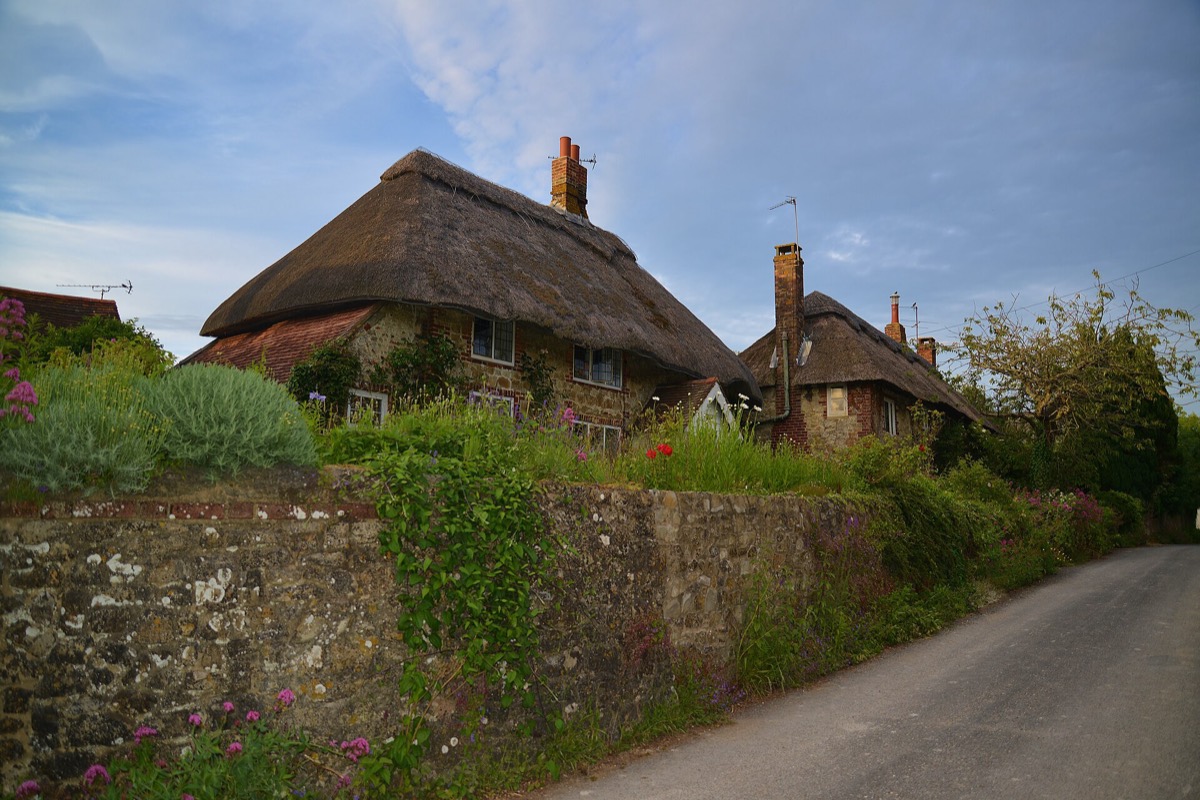
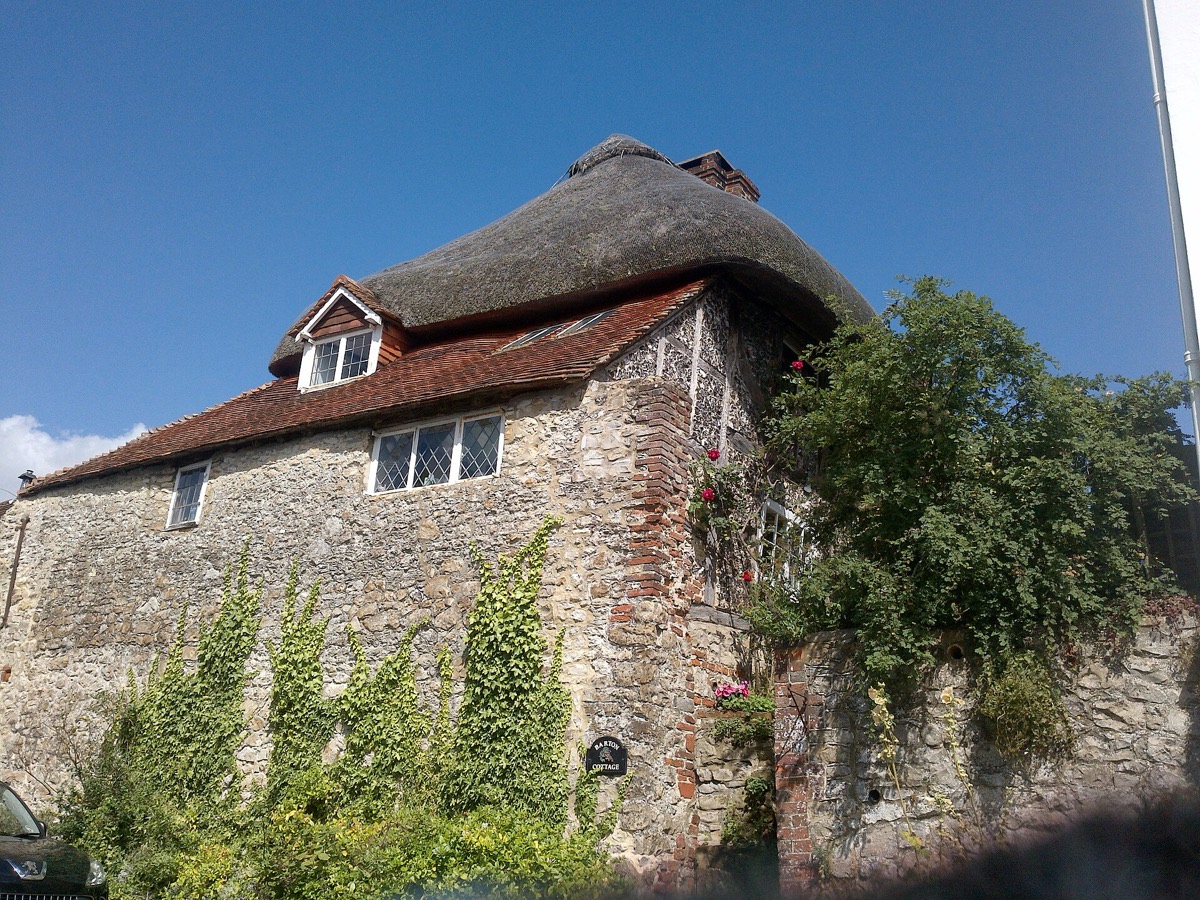
Amberley lies at the foot of the South Downs, four miles north of Arundel, looking out over the water meadows of the River Arun. It is famous for its thatched cottages, so much so that a house called "The Thatched House" is one of the few that is not thatched.
Why Amberley Is Special
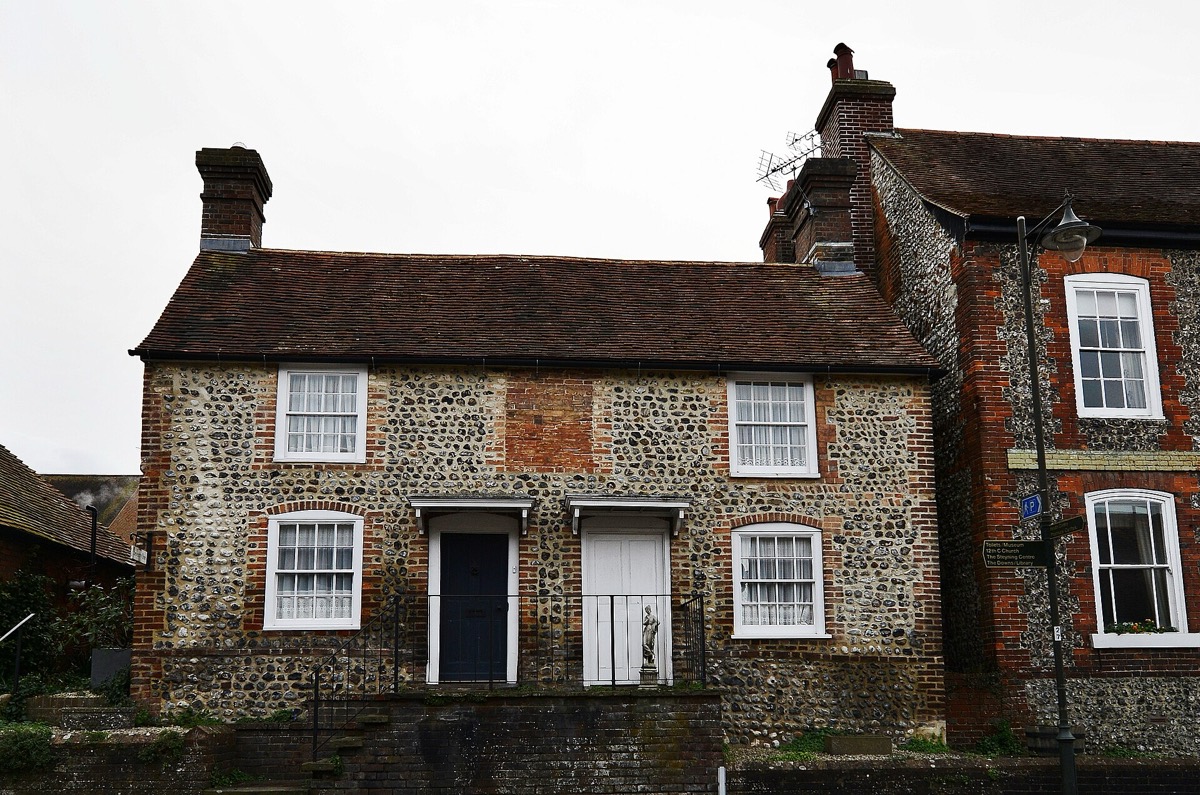
With its lanes of thatch, flint and timber and a medieval castle wall at the end of the street, Amberley is one of the most picture-perfect villages in Sussex.
It is also a superb base for walking, with the South Downs Way crossing the Arun close by and the wetlands of Amberley Wild Brooks spreading out to the north.
The History of Amberley
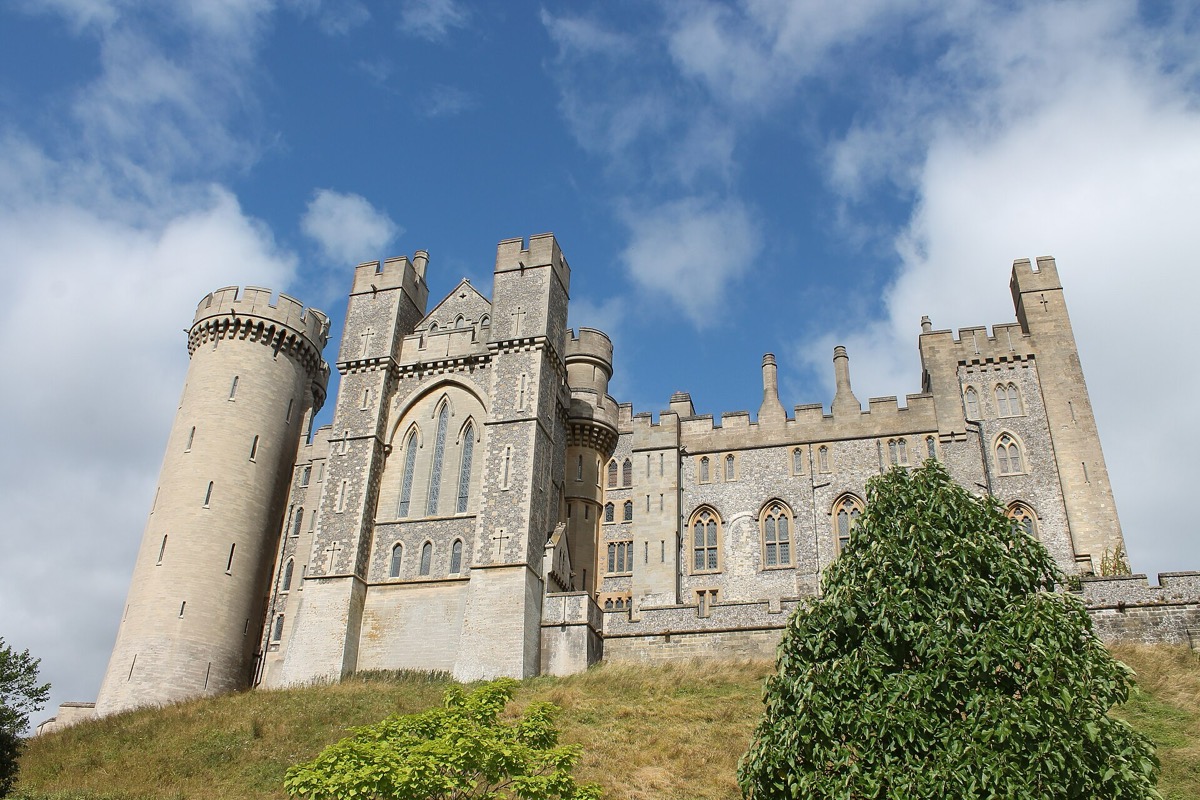
The site of Amberley Castle was given to the See of Selsey by Caedwalla of Wessex in 683. The first recorded building was a timber-framed lodge built in 1103 by Bishop Ralph de Luffa, replaced by a stone hall in 1140. A larger great hall was added between 1305 and 1337, when the house became known as the Bishop of Chichester's summer palace.
In 1377, fearing French raids on the south coast during the Hundred Years War, the bishop received permission to fortify it, adding the high curtain walls, corner towers and gatehouse. The walls, gateway and two towers survive and are Grade I listed. Bishop Robert Sherborne, who died in 1536, was the last bishop to live there. In 1893 it was sold to the 15th Duke of Norfolk, and since 1988 it has been a country house hotel.
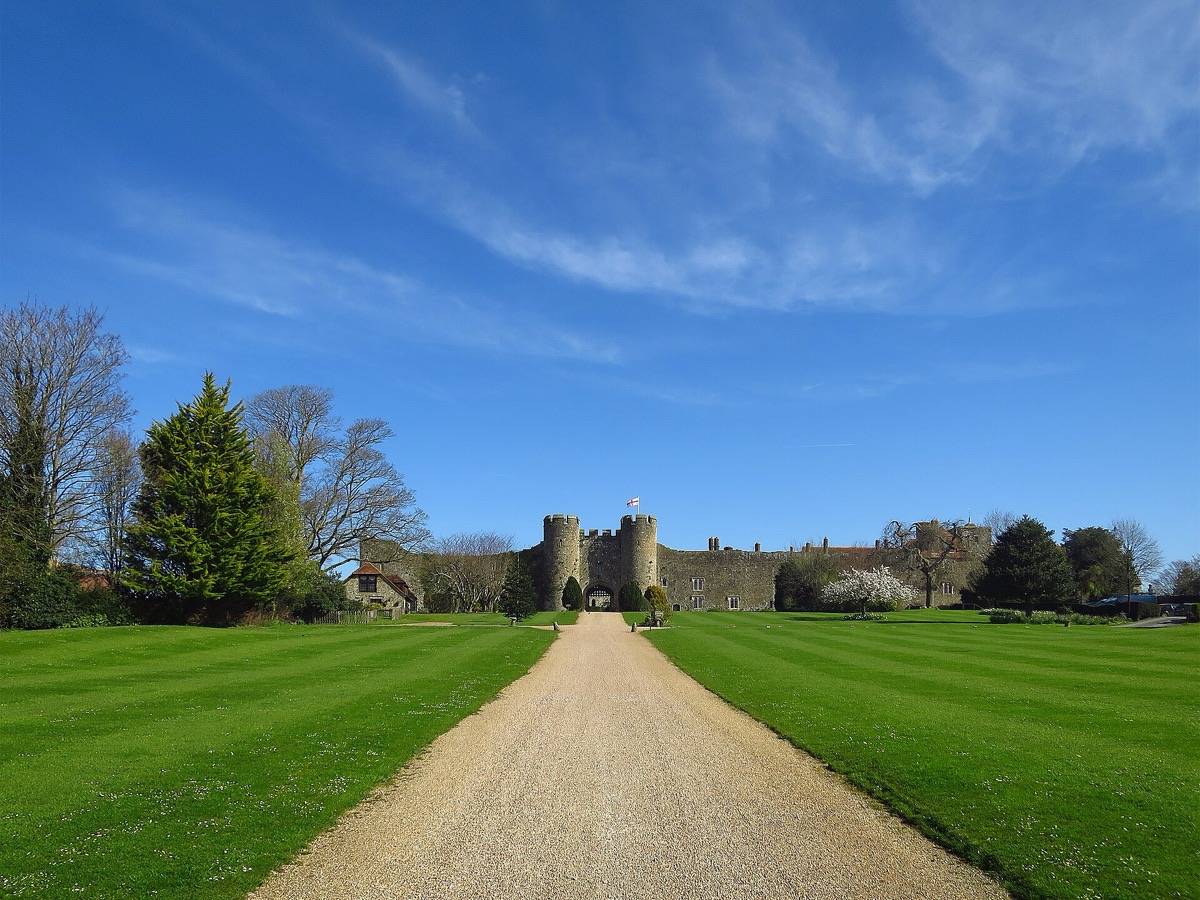
Beside the castle stands the Norman church of St Michael, with 12th- or 13th-century wall paintings south of the chancel arch showing scenes from the Passion. Amberley later grew prosperous on lime: the chalk pits above the village supplied lime and chalk far and wide.
Artists and writers loved Amberley. The painter Edward Stott lived here from 1889 until his death in 1918 and has a memorial in the churchyard, and the illustrator Arthur Rackham is commemorated there too. The children's novelist Noel Streatfeild spent part of her childhood here while her father was vicar, and Arnold Bennett wrote most of his novel The Vanguard during eight weeks in the village in 1926.
Things to Do in Amberley
Wander the village lanes for the thatched cottages and gardens, and look at the castle walls from the churchyard of St Michael's, where you can see the medieval wall paintings inside.
Amberley Museum, founded in 1978 in the old chalk pits beside the station, is a wonderful day out: working crafts, a narrow-gauge railway, historic Southdown buses, an electricity hall and much more (check opening days).
Gardens, Countryside & Antiques near Amberley
Parham House and Gardens is about two miles away, and RSPB Pulborough Brooks a little further north along the Arun. Arundel, with its castle, WWT Arundel Wetland Centre and antiques shops, is four miles south; see our Arundel guide.
The South Downs Way crosses the river close to the village, and Amberley Wild Brooks, a Site of Special Scientific Interest, floods in winter and is known for its wildfowl.
Amberley Through the Seasons
In spring the cottage gardens burst into flower, and summer is perfect for the riverside and the Downs. In winter the Wild Brooks flood and fill with wildfowl, a sight worth wrapping up for.
Getting to Amberley
Amberley station, on the Arun Valley line from London, is next to Amberley Museum, about half a mile from the village.
Amberley: Questions & Answers
Can you visit Amberley Castle?
Amberley Castle is a privately owned country house hotel; you can see its medieval walls from the churchyard of St Michael's next door.
What is Amberley Museum?
A large open-air museum of industrial heritage in the old chalk pits beside Amberley station, founded in 1978, with a narrow-gauge railway and historic buses.
Our Advice
Our advice: Arrive by train, spend the morning at the museum, walk up into the village for lunch, and finish with a stretch of the South Downs Way above the Arun.
Facts checked October 2026. Sources: Wikipedia: Amberley, West Sussex · Wikipedia: Amberley Castle · amberleymuseum.co.uk. Opening times and prices change, so please check before you travel.