Into the Garden
Which Outdoor Plants Need to Come Inside First?
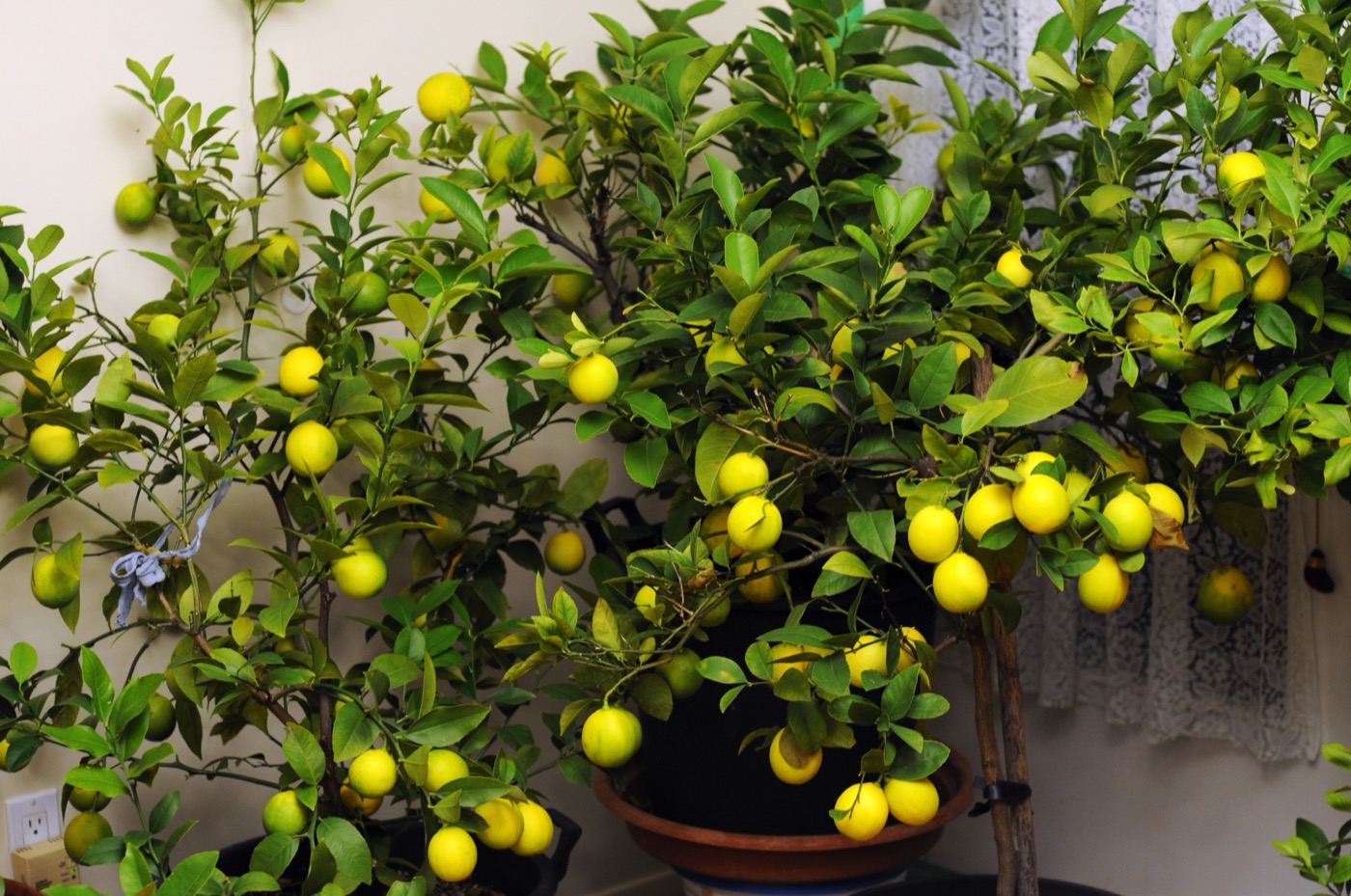
Photo credit
Meyer lemons brought indoors for the winter, by Milan Suvajac, CC BY-SA 4.0, via Wikimedia Commons.As the evenings draw in and the first frosts begin to appear in the forecast, I start my annual autumn ritual: bringing the more delicate members of the garden indoors. It is a gentle kind of housekeeping, and the order matters. Some plants feel the cold long before the first frost, while others are perfectly happy to sit it out until the weather really turns.
Here is the order in which I move my plants, and how I keep them happy until spring.
First In: The Summer Holidaymakers
Houseplants that have spent the summer on the terrace are always the first to come back inside. Tropical foliage plants such as monstera, ficus, bird of paradise and orchids enjoy a warm summer outdoors, but they begin to sulk once night-time temperatures fall to around 10°C. Leaves can yellow or mark long before there is any sign of frost, so I bring them in as soon as the nights turn chilly, usually well before I think of anything else.
Before they come indoors, I check each pot carefully for snails, ants and other stowaways, wipe the leaves and give the outside of the pot a good clean. It saves an unwelcome surprise on the windowsill later.
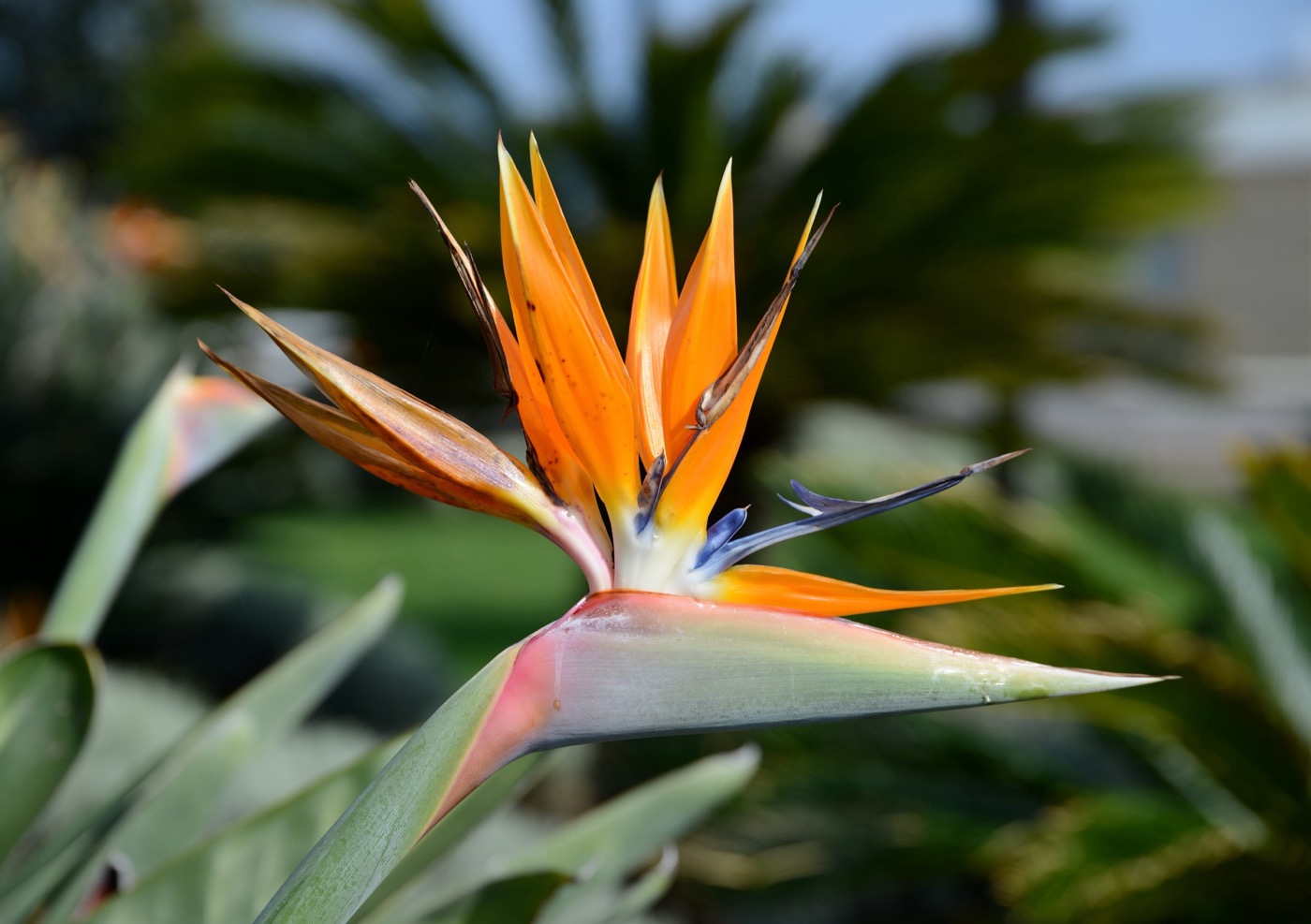
Photo credit
Alvesgaspar, CC BY-SA 4.0, via Wikimedia CommonsNext: Citrus and Tender Succulents
Lemon and orange trees in pots are next. They will tolerate a cool night, but frost damages their leaves and fruit, so I move them before the first frost into the brightest, coolest room I have; a conservatory or a cool, light landing is ideal. Too much warmth and they drop their leaves, so a heated sitting room is not the kindest place for them.
Tender succulents such as aloes and echeverias go in at the same time. Cold is only half the problem; it is the combination of cold and winter wet that finishes them off, so a bright windowsill and very little water will see them through.
Before the First Frost: Pelargoniums and Tender Fuchsias
Pelargoniums are among my favourite plants to keep from one year to the next. I lift or move them before the first frost, cut them back by about a third, tidy away any yellowing leaves and keep them somewhere cool, light and frost-free, watering only a little through the winter. Tender fuchsias are treated in much the same way, while the hardy fuchsias can stay in the garden.
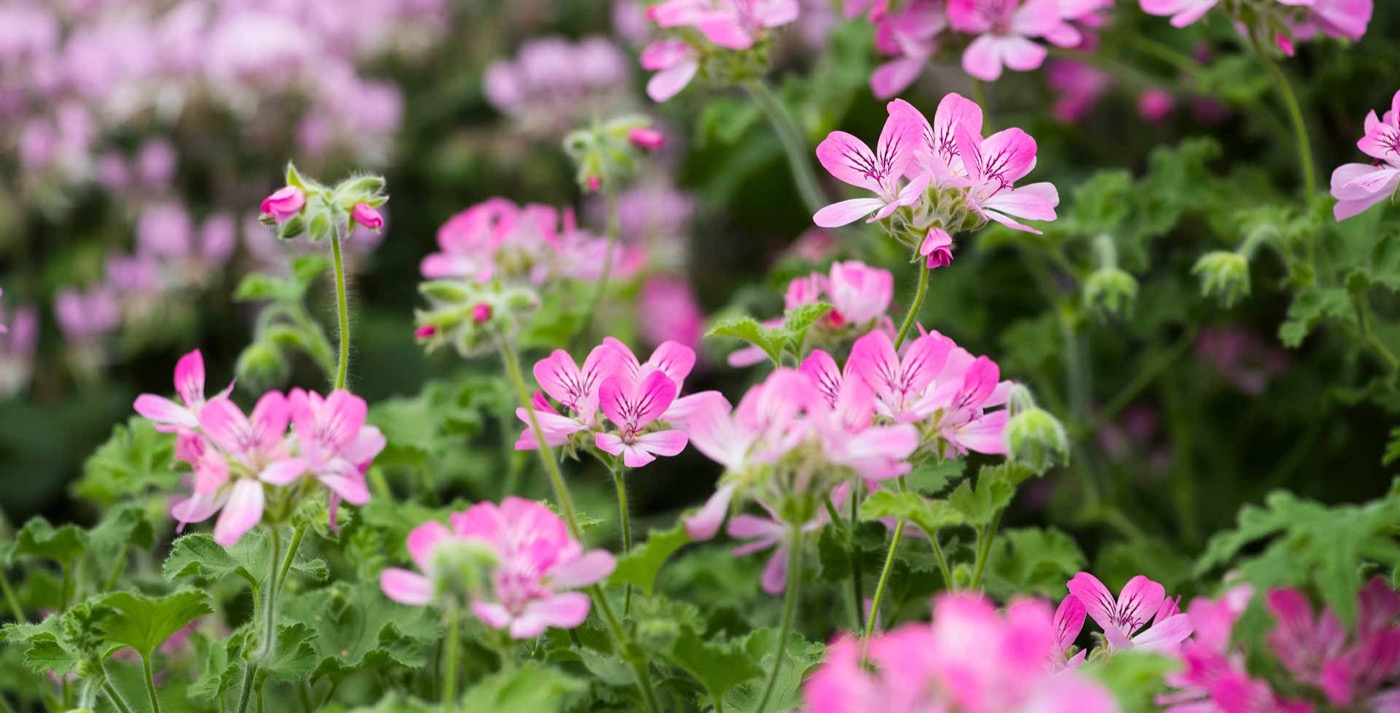
Photo credit
Photo: RHSAfter the First Frost: Dahlias, Cannas and Begonias
These are the last to come in, and they are worth waiting for. I let the first frost blacken the dahlia foliage, then cut the stems down, lift the tubers, let them dry and store them in a frost-free shed or garage until spring. Cannas and tuberous begonias are treated in the same way. In a mild, sheltered garden, dahlias can sometimes be left in the ground under a thick blanket of mulch, though I prefer not to take the chance.
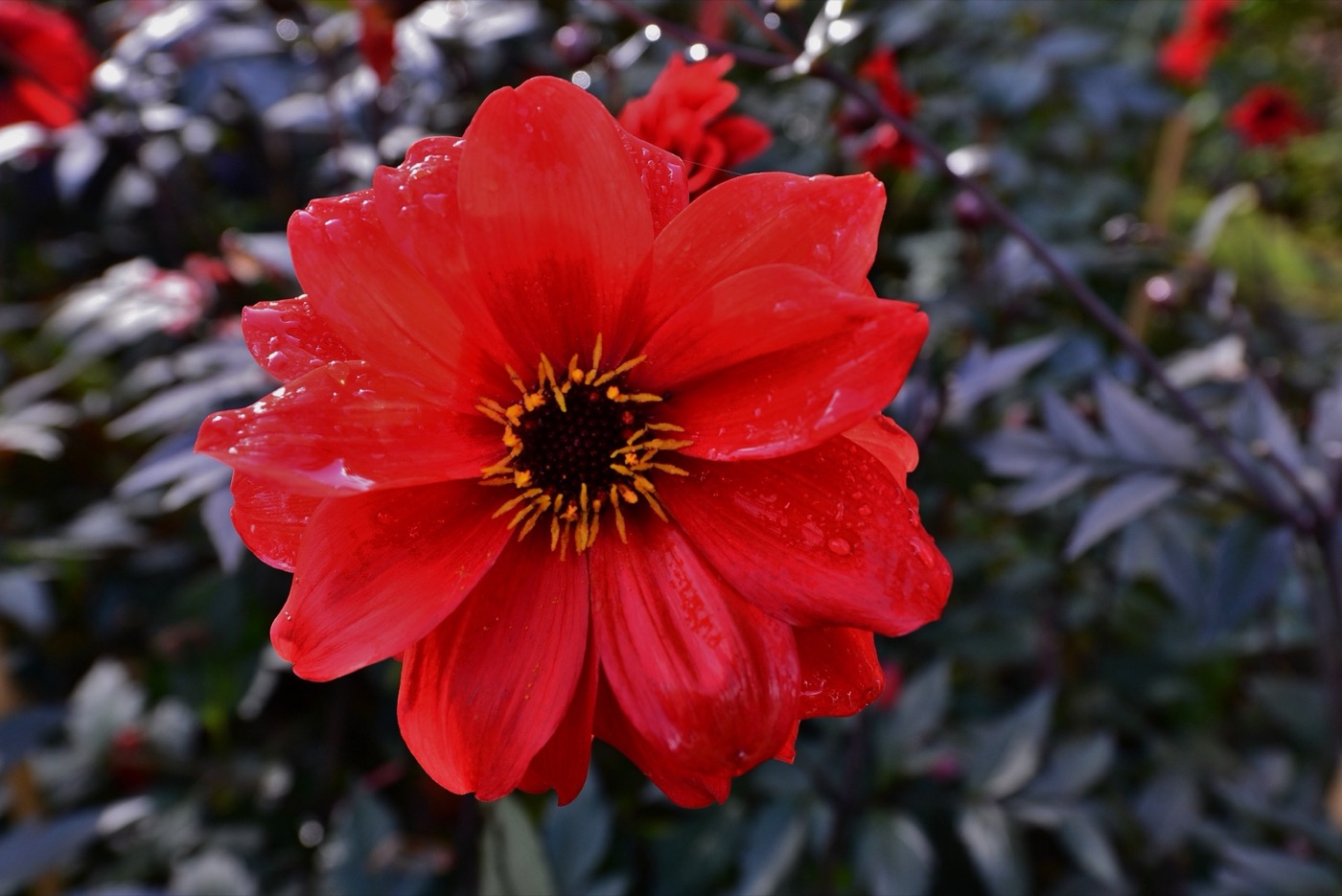
Photo credit
Michael Garlick, CC BY-SA 2.0, via Wikimedia CommonsWhat Can Stay Outside
Plenty of plants are happy to spend winter outdoors: rosemary, thyme, sage, lavender, box and most ornamental grasses. Pots are more vulnerable than borders, as the roots have less soil around them, so I raise containers on pot feet to let them drain, gather them together against a sheltered house wall and keep a roll of horticultural fleece to hand for the coldest nights.
Settling Them In
Once inside, most plants need less water than you might expect, as growth slows with the shorter days. I keep them in good light, away from radiators and draughty doors, and turn them now and then so they do not lean towards the window. With a little care they will be ready to return to the garden once the risk of frost has passed in spring.
When should I bring my plants inside? Tropical houseplants as soon as nights fall to around 10°C; citrus, tender succulents, pelargoniums and tender fuchsias before the first frost; dahlias, cannas and begonias once the first frost has blackened their leaves.