Garden & Home Directory · The Guide
British Interior Style and Where to Shop for It: From Liberty to the Best Independents
Ask anyone to picture a British interior and you will probably get the same answer: a sofa you can sink into, a lamp on every side table, books, flowers, a painting picked up on holiday and a chair that belonged to someone's grandmother. It is a style built on comfort and collecting rather than on rules, and it is why so many of us love nothing more than a morning spent in a good interiors shop.
This guide looks at what makes the British interior, the great stores that shaped it, from Liberty and Heal's to Habitat, and the independent shops across the country that are worth a detour today. Then we share how to shop for a look that is really yours, with links throughout to the interiors shops we have checked in every region.
What Makes a British Interior
The look most of the world thinks of as English is country house style: rooms that seem to have grown over generations, with faded chintz, deep sofas, good antiques and a sense that nothing was bought all at once. It was shaped in the middle of the 20th century by the decorating firm founded in the 1930s by Sibyl, Lady Colefax, which John Fowler joined in 1938 and which Nancy Lancaster bought in 1944. Colefax and Fowler's comfortable, slightly worn elegance is still the model for many British rooms.
Its roots go deeper, to the Arts and Crafts movement and William Morris, whose advice in an 1880 lecture is still quoted by every decorator in the land: have nothing in your houses that you do not know to be useful, or believe to be beautiful. That love of honest, well-made things, and of pattern drawn from nature, runs through British interiors to this day.
Today the British home borrows freely. Scandinavian simplicity, with pale wood and soft textiles, sits happily beside Georgian furniture; coastal houses take their colours from the sea; and a bolder, more eclectic style, with dark walls and maximalist collections, has its own devoted following. What unites them is the mix: old with new, handmade with high street, and things chosen because you love them.
The Great Stores That Shaped the Look
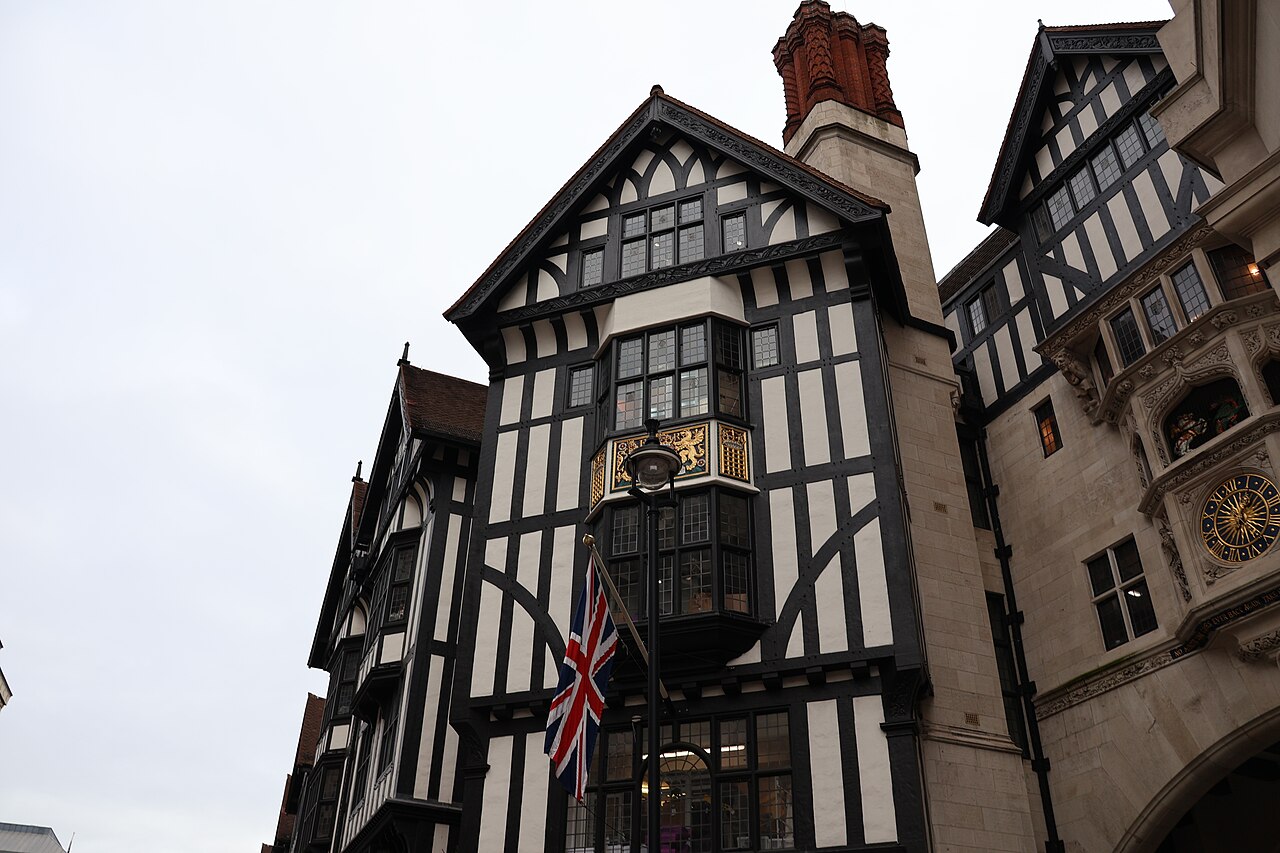
Three London stores did more than any others to shape the way Britain furnishes its homes. Liberty was founded in 1875, when Arthur Lasenby Liberty took on half a shop on Regent Street to sell ornaments, fabrics and objets d'art from Japan and the East. It went on to champion the designers of the Arts and Crafts and Art Nouveau movements, and its bold floral prints are known around the world. Its Tudor Revival building, completed in 1924, was built from the timbers of two ships, HMS Impregnable and HMS Hindustan, and it is still one of the most beautiful shops in the country.
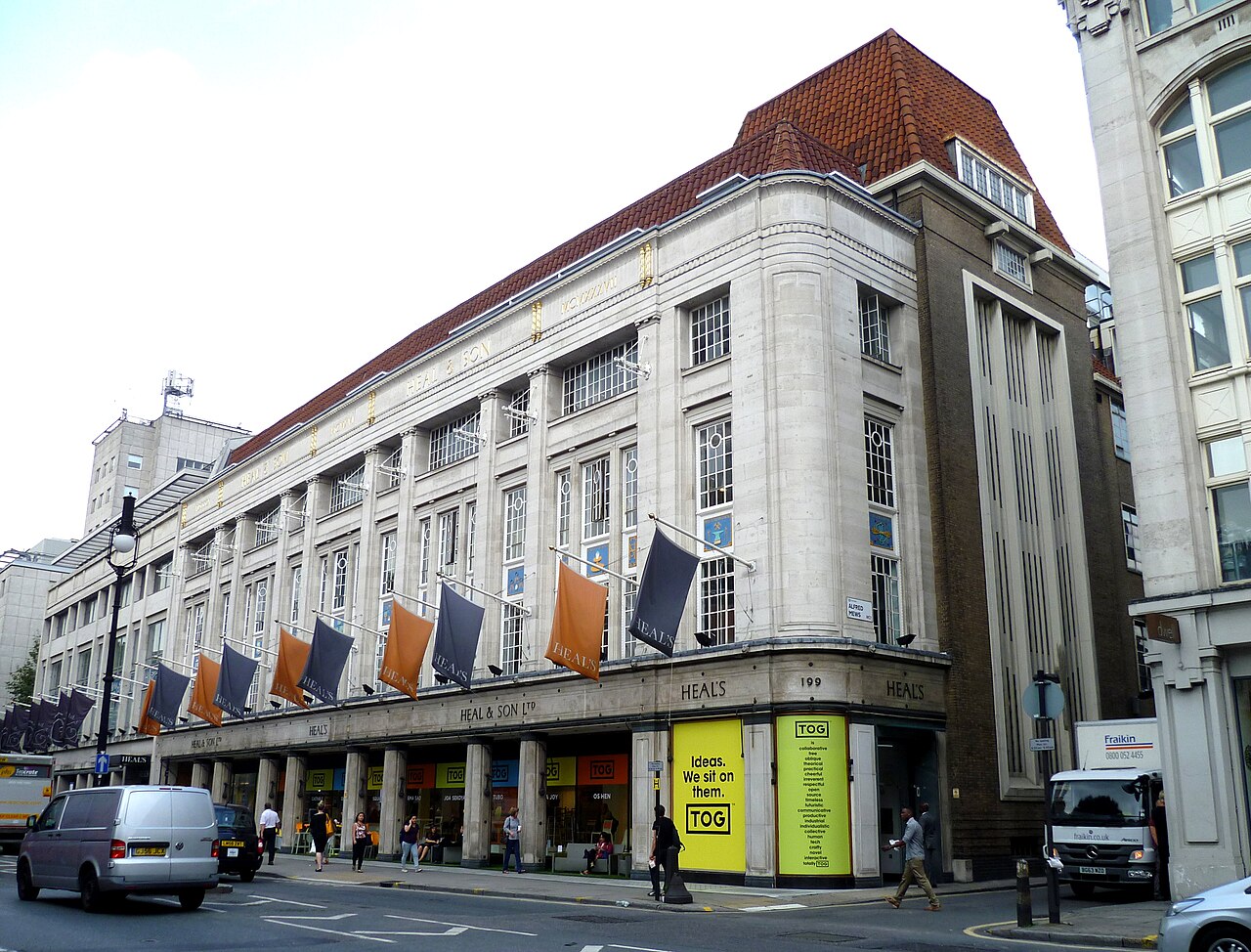
Heal's began in 1810, when John Harris Heal set up a feather-dressing business in London, and moved to Tottenham Court Road in 1818. Ambrose Heal, who joined in 1893 and became chairman in 1913, designed furniture in the Arts and Crafts style but used modern production to make it affordable to the middle classes, and the store's 1917 building is still a temple to good design.
Then, in 1964, Terence Conran opened the first Habitat on the Fulham Road in Chelsea, with quarry-tiled floors and whitewashed brick walls. Its affordable modern furniture and kitchenware, down to the storage jars for the newly fashionable dried pasta, brought a fresh, informal look into a generation of British homes, and made the homeware shop somewhere you went for pleasure as well as need.
The Rise of the Homeware Store
Since then, the homeware shop has become one of the great British pastimes. In April 2008 the American retailer TJX brought HomeSense to the UK, opening the first store in Poole; today there are branches across the country, from Brighton to Leeds and Edinburgh, selling homeware, bedding, lighting and tableware from well-known brands at reduced prices, with stock that changes constantly.
Online shops have opened up the choice further. Cox & Cox chooses its homeware and lighting in Frome, Somerset; Rockett St George, founded in 2007 by Jane Rockett and Lucy St George, is known for eclectic style and bold designs; and OKA is a go-to for rattan and statement lighting. For a quick refresh, Zara Home and H&M Home sell cushions, throws and tableware at high-street prices. And the farm shop has become a lifestyle destination too: Daylesford, Carole Bamford's organic farm shop in the Cotswolds, opened in 2002 and sells cookware, tableware and home fragrance alongside the food.
The Independents Worth a Detour
For all the choice online, nothing beats a good independent interiors shop, where every piece has been chosen by someone with an eye, and where you will find things you could not find anywhere else. Many of the best are in small towns and old buildings, and they make a perfect excuse for a day out.
The South
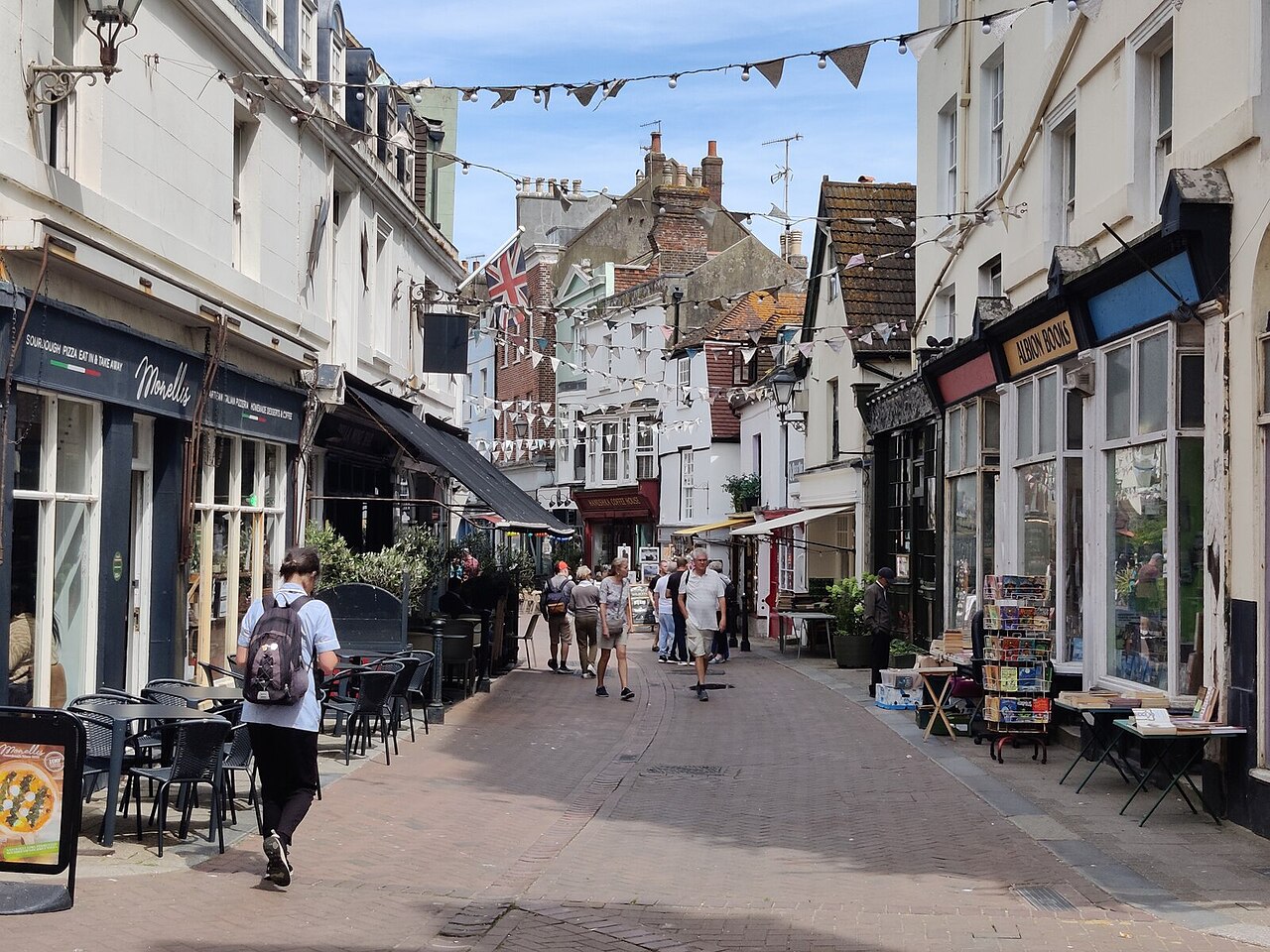
In Surrey, Wattle and Daub fills a Tudor house in Godalming with ceramics, textiles, furniture and vintage finds. On the Sussex coast, Rae in Rye mixes rustic vintage homeware from Britain and Europe with pieces by modern makers, and Hastings Old Town has become a destination in its own right, with chef Alastair Hendy's beautifully presented homeware and hardware shop, A G Hendy & Co, and Dyke & Dean close by. In Winchester, The Hambledon is a small department store in a townhouse, with homewares, fashion and stationery.
The West
Philo & Philo in Bruton, with its vintage furniture and pieces by local makers, has been called the country's buzziest interiors store by The Sunday Times. In Bath, Berdoulat sells kitchenware, furniture and flowers, with most of its stock made within an hour's drive. Tetbury is as good for interiors as for antiques, with Willow Munro Interiors and Domestic Science, and in Ludlow the family-run Ludlow Period House Shop, which began in architectural salvage more than 35 years ago, sells lighting, paint, rugs and furniture for period homes.
The East
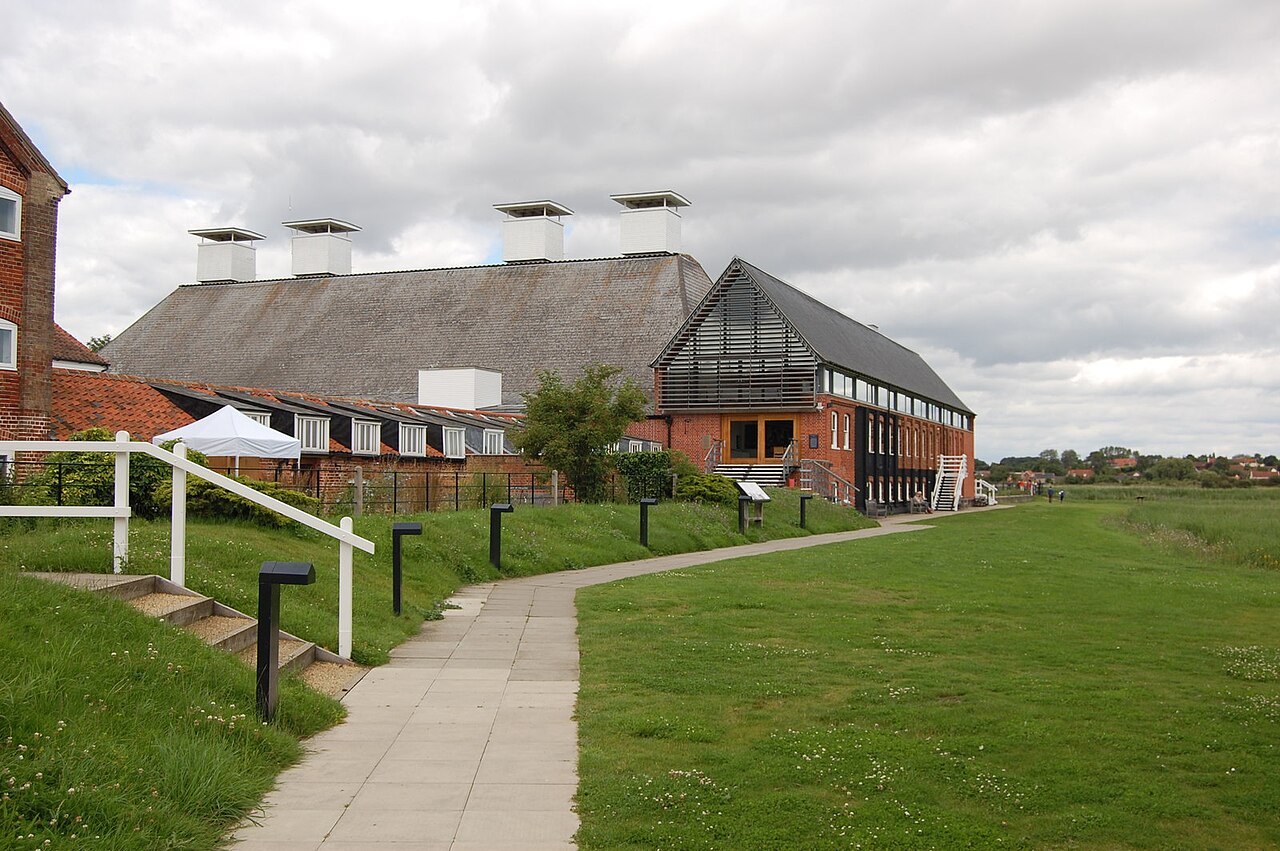
On the Suffolk coast, House & Garden at Snape Maltings is an award-winning independent and the largest shop at the Maltings, with British-made upholstery, lighting and a large choice of plants, all in the converted Victorian malthouses beside the River Alde.
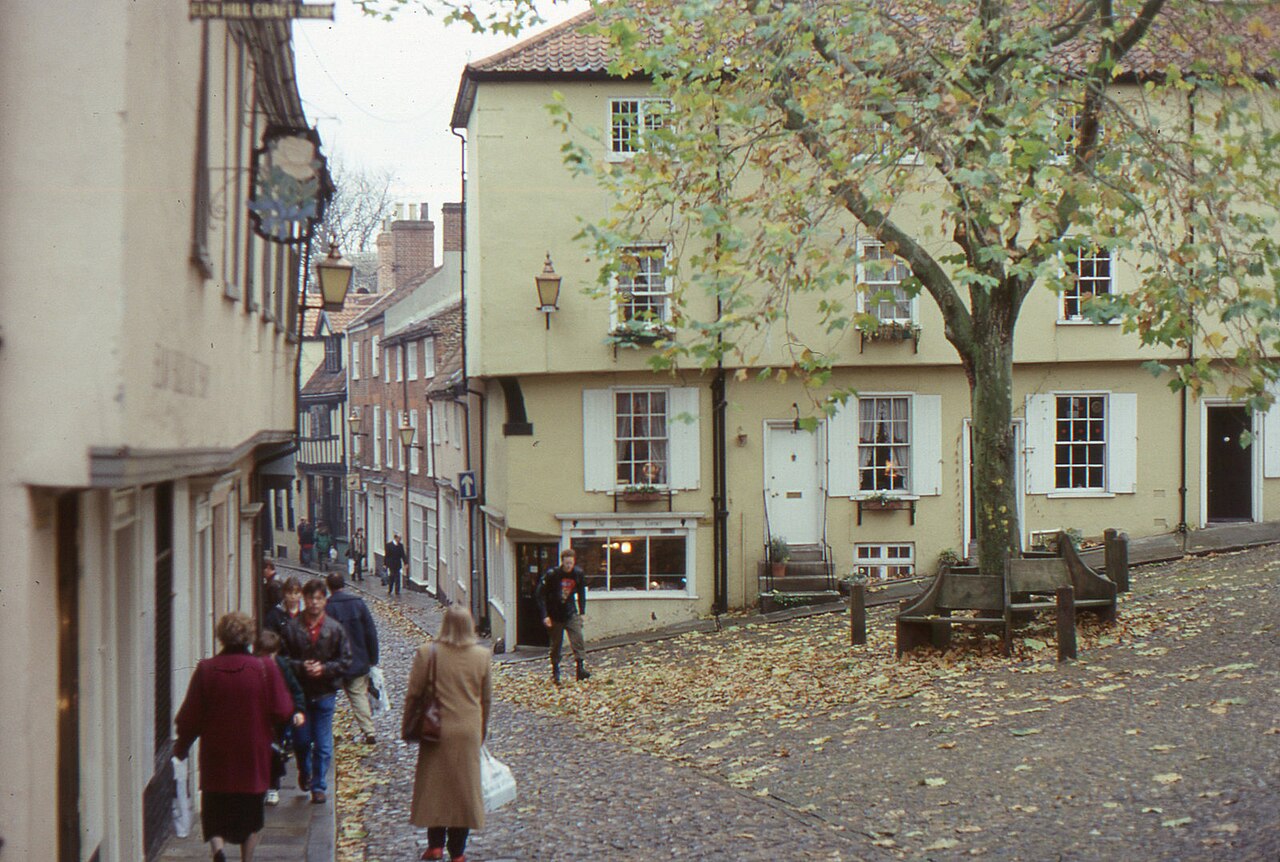
In Norwich, the Elm Hill Craft Shop on the city's famous cobbled street is one of the oldest independent shops still trading in the city, and Atwin in the Norwich Lanes sells the work of Norfolk makers and ethical UK brands.
The North
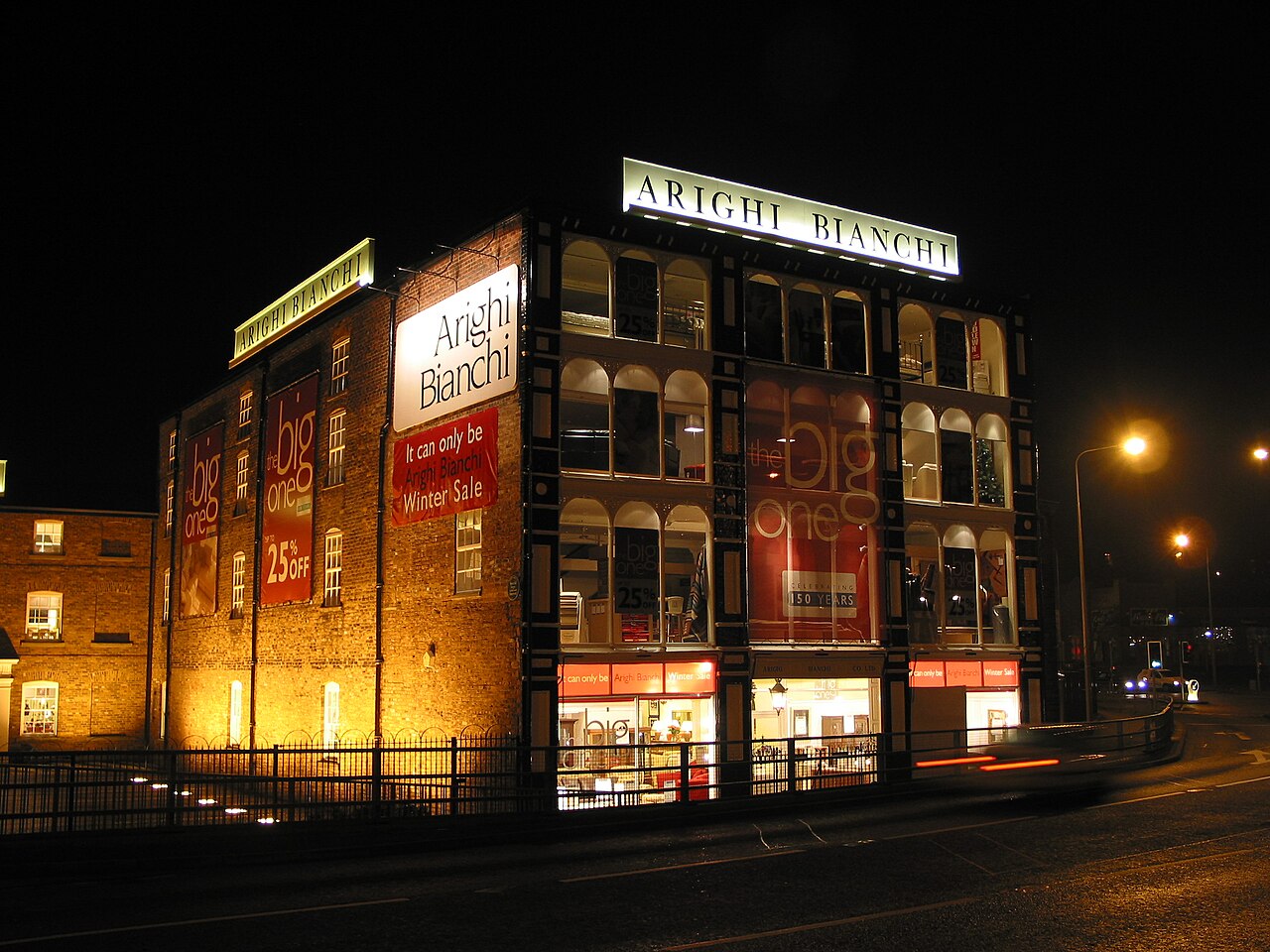
Arighi Bianchi in Macclesfield is a family furniture business founded in 1854, trading from a Grade II* listed cast-iron and glass showroom inspired by the Crystal Palace, with an interior design service and its own café. In Hexham, designer Nathan Wilder's French and Wilder sells French antiques, brocante finds and his own designs, and in York Owl & Monkey mixes vintage and contemporary pieces from small UK makers.
Scotland, Wales and Northern Ireland
In Edinburgh's Stockbridge, Jeffreys Interiors has a showroom above its design studio with fabric and wallpaper libraries, and Edinburgh Mercantile sells handmade stoneware and table linen. In Wales, Home by Kirsty sells British-made homeware from a converted coach house in Cardiff, and Nicholls is the largest store in Abergavenny. In Belfast, MAVEN brings Scandinavian brands and Irish makers together in a former bank.
How to Shop for a Look
Start with what you have
The most characterful rooms are built around things you already own and love: a rug, a painting, a piece of family furniture. Take photographs of them, and of the room, and carry them with you when you shop. Collect pictures of rooms you love too, and look for what they have in common, whether colour, pattern or a mood.
Mix old and new
A room furnished from a single shop rarely feels like a home. Mix a new sofa with an antique chest, a high-street lamp with a handmade ceramic base, and let the room build up over time. Our guide to Britain's antiques towns will help you find the older pieces.
Think in layers
Comfort comes from layers: rugs on floors, cushions and throws, curtains that pool slightly, and light from several sources at different heights rather than one bulb in the ceiling. Add texture with wood, linen, wool, rattan and stone, and bring in plants and flowers to soften everything.
Measure, and buy slowly
Measure the room, the doorways and the space a piece will stand in before you buy, especially online, and check the returns policy. Then take your time: the best rooms are collected, not bought in an afternoon, and an independent shop you visit again and again will soon know what you are looking for.
Interiors Shops by Region
Every interiors shop in our directory has been checked, and each region's page includes our pick of the online interiors stores. Choose a region to find the best independents near you:
- Interiors shops in the North of England
- Interiors shops in the East of England
- Interiors shops in the South of England
- Interiors shops in the West of England
- Interiors shops in Scotland
- Interiors shops in Wales
- Interiors shops in Northern Ireland
- Interiors shops online, delivered UK-wide
Our Advice
Our advice: Let your home tell your story: start with the things you love, mix old with new, and build each room in layers over time. Make a day of it in one of the great shopping towns, such as Tetbury, Hastings Old Town or Bruton, support the independents who choose every piece with care, and find the best of them, region by region, in our directory.
Facts checked October 2026. Sources: Wikipedia: Liberty (department store) · Wikipedia: Heal's · Wikipedia: Habitat (retailer) · Wikipedia: HomeSense · Wikipedia: Colefax and Fowler · arighibianchi.co.uk · snapemaltings.co.uk · rockettstgeorge.co.uk · daylesford.com. Independent shops change their stock, hours and sometimes their address, so please check before you travel.