Garden & Home Directory · The Guide
Britain's Antiques Towns, Centres & Fairs: Where to Go and How to Buy Well
There is a particular pleasure in a day spent antiques hunting in Britain: a market town with a long high street, a dozen shop doors with bells above them, a cabinet of Georgian silver in one window and a painted French armoire in the next, and lunch somewhere old enough to be on sale itself. Few countries have so many towns that have made the trade their own, and few have such a calendar of fairs, from village halls to showgrounds with thousands of stalls.
This guide tells the story of the British antiques trade, takes you round the towns where it thrives, from Petworth and Hungerford to Stow-on-the-Wold, Tetbury and Lostwithiel, and explains the great fairs. Then we share what we have learned about judging age, condition and provenance, with links throughout to the antiques centres and fairs we have checked in every region.
A Very British Passion
Britain has bought, sold and collected old things for centuries, but the antiques trade as we know it took shape in the late 19th and early 20th centuries, as country houses sold their contents and a growing middle class wanted the furniture, silver and porcelain of the Georgian age. Dealers clustered first in London and then in the prosperous market towns, where old coaching inns and wool merchants' houses made perfect showrooms.
The trade organised itself early. The British Antique Dealers' Association, BADA, was founded in London in 1918, and its members are vetted for their experience, integrity and the quality of their stock. LAPADA, which takes its name from its original title, the London and Provincial Antique Dealers' Association, followed in 1974 and is today the largest trade association of art and antiques dealers in the UK. When you see either logo on a shop door, you know the dealer has been checked and that there is a body to turn to if something goes wrong.
Television brought the trade into every sitting room. The BBC's Antiques Roadshow has toured the country since 1979, and later programmes such as Bargain Hunt made the antiques centre a family day out. Some of the towns in this guide, such as Barnard Castle, where Mission Hall Antiques Centre has appeared on screen, are familiar to viewers who have never set foot in them.
A word on terms. In the trade, an antique is usually taken to mean something at least 100 years old; vintage generally covers younger pieces, from the 1920s to the 1980s, and mid-century means the design of roughly the 1940s to the 1960s, which a dealer such as Rye House Antiques specialises in. Most centres sell all three, and the mix is a large part of the fun.
The Great Antiques Towns
Petworth, West Sussex
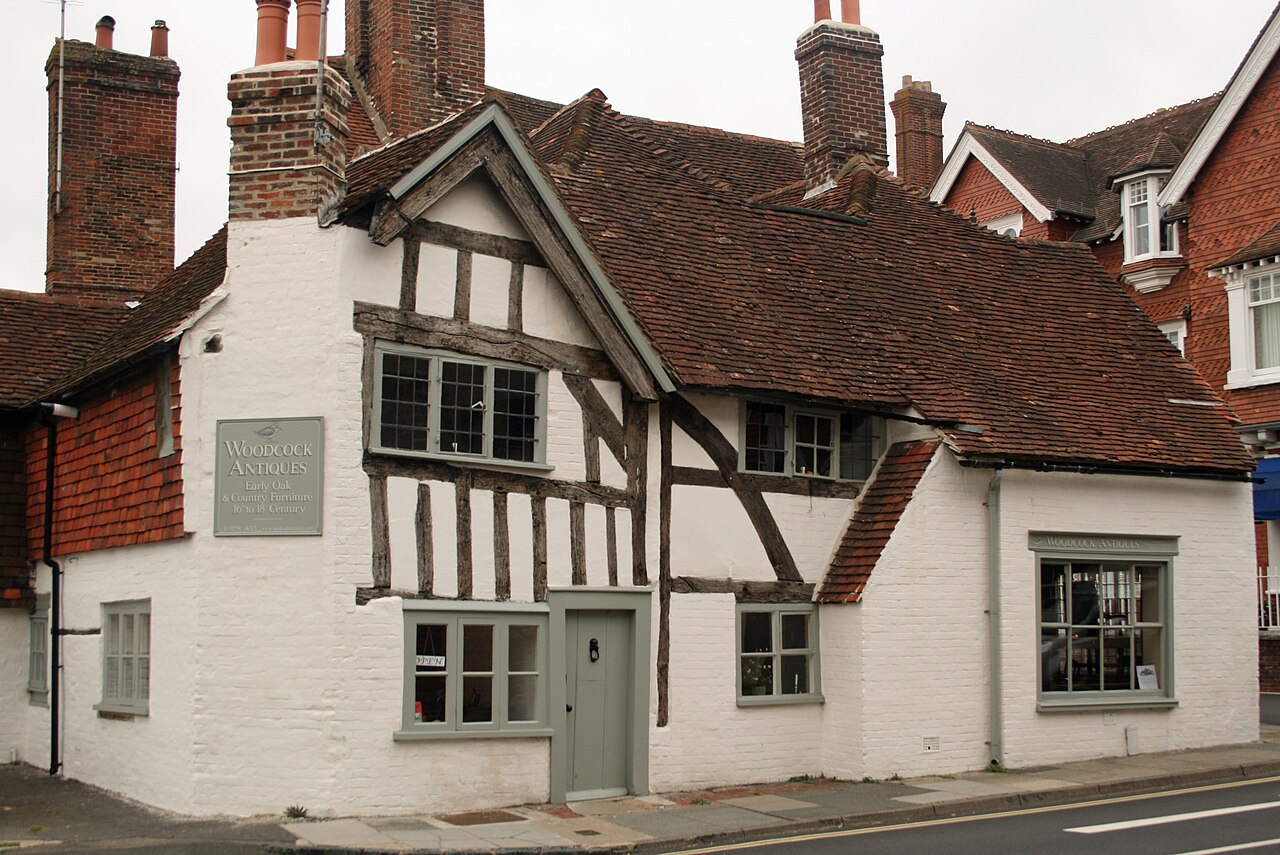
Petworth is often called the antiques centre of the South, and it earns the title. The little town of narrow streets sits at the gates of Petworth House, the 17th-century mansion now cared for by the National Trust, whose park was laid out by Capability Brown and painted by Turner. Antiques shops fill the old houses around the square and along Saddlers Row, and Petworth Antiques Market gathers more than 35 dealers under one roof, with fine silver, tableware, furniture and vintage clothing. A short stroll away, Tudor Rose Antiques & Interiors has ten dealers in a former alehouse, and French Loft brings French country pieces to both Petworth and Arundel.
Hungerford, Berkshire
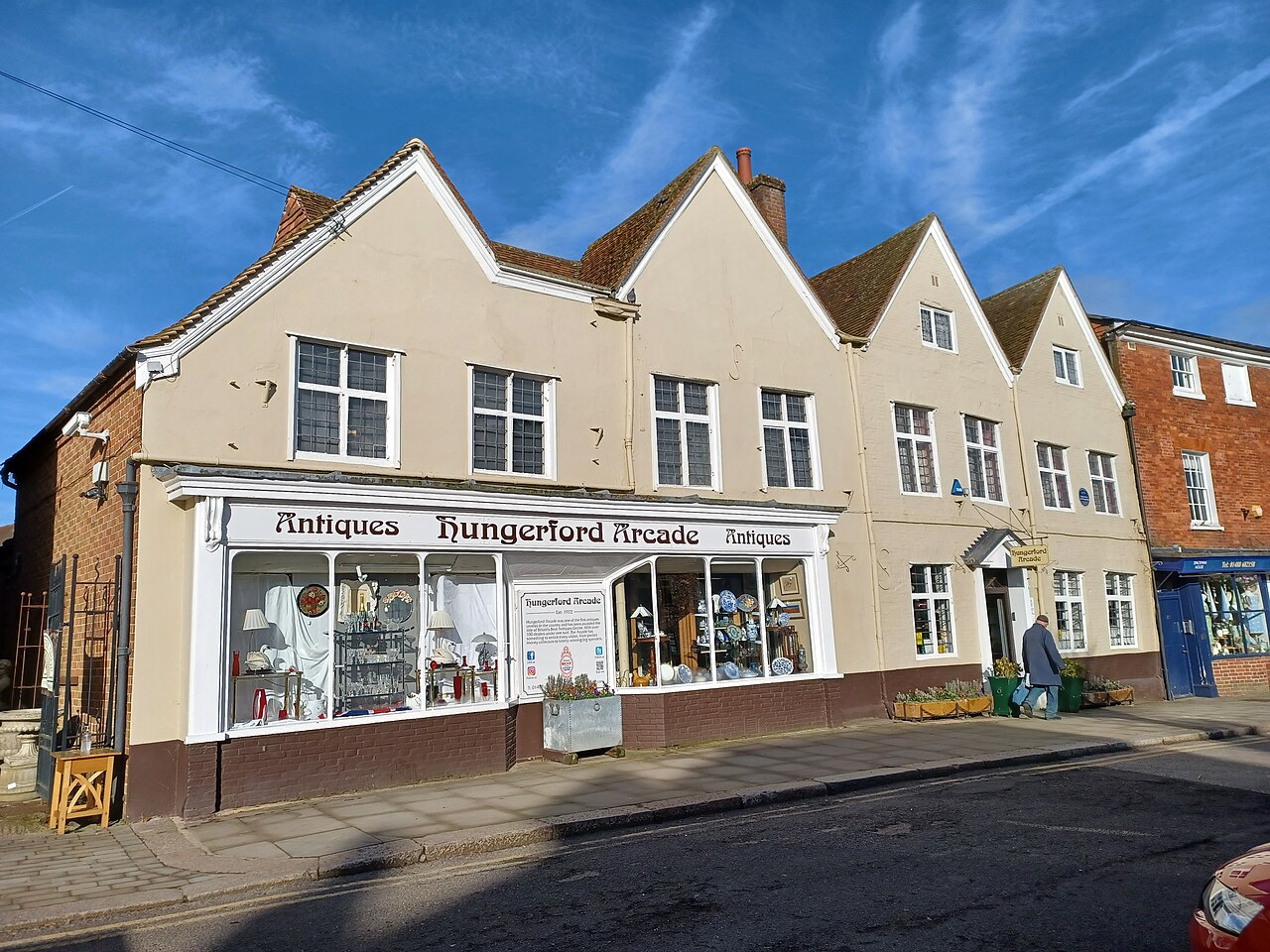
Hungerford is a handsome market town on the River Kennet and the Kennet and Avon Canal, which opened in 1811, and it is one of the few places in the country still to celebrate Hocktide, its ancient festival after Easter. For antiques lovers it means the Hungerford Arcade: a family-owned arcade on the High Street, open since 1972, with more than 100 dealers under one roof and a tearoom upstairs for when your feet give out.
Stow-on-the-Wold, Gloucestershire
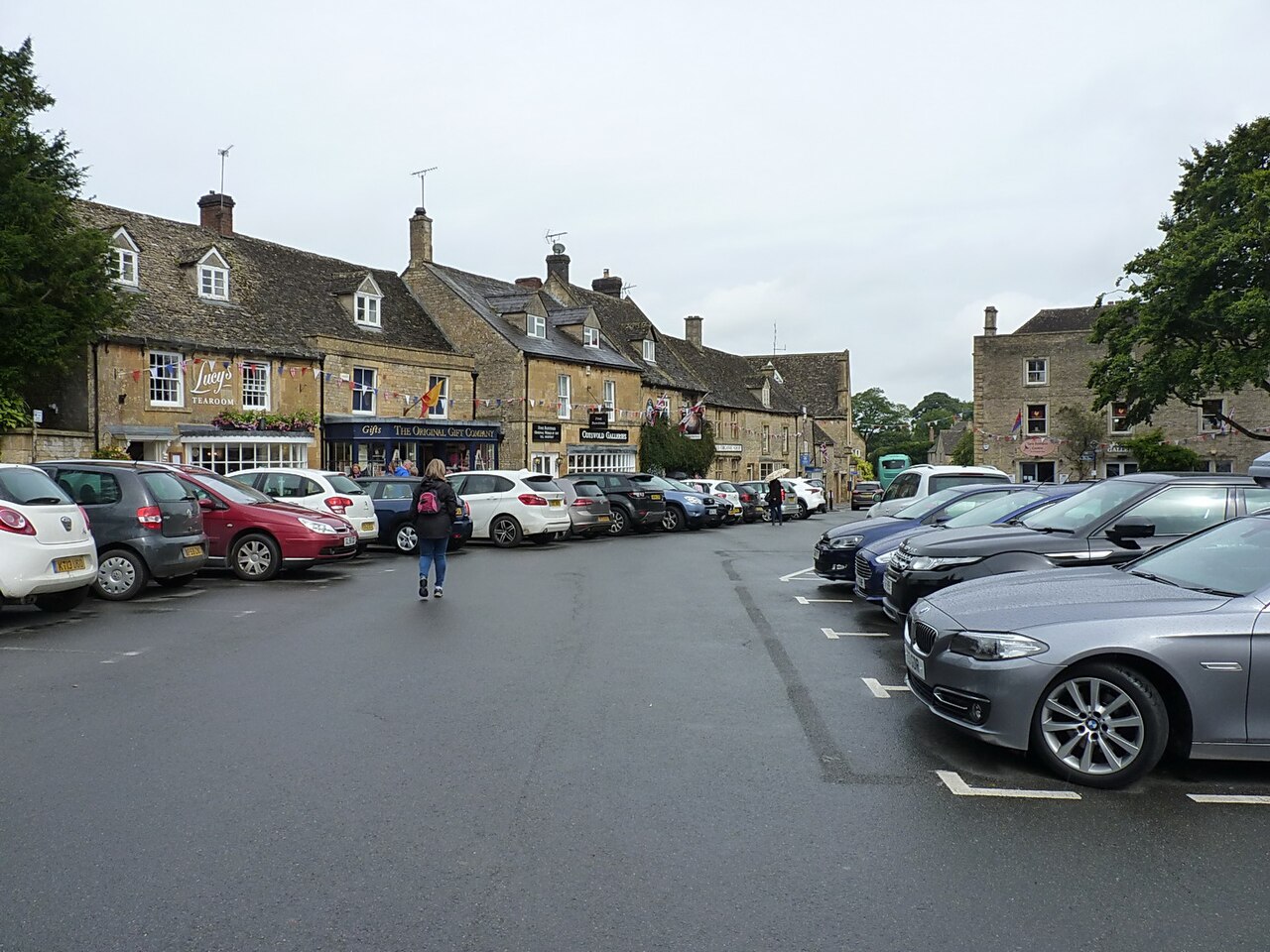
Stow sits on top of an 800-foot hill where the Cotswold roads meet, and it has been a market town for more than nine centuries: Henry I granted it a weekly market in 1107, and Edward III added a fair for sheep and horses in 1330. Daniel Defoe reported 20,000 sheep sold here in a single day. Today the trade is in furniture and works of art, with at least 60 dealers in and around the Market Square. Look for long-established names such as Huntington Antiques, with one of the largest stocks of quality antiques in England, and Baggott Church Street, a BADA member specialising in 17th-, 18th- and 19th-century English furniture.
Tetbury, Gloucestershire
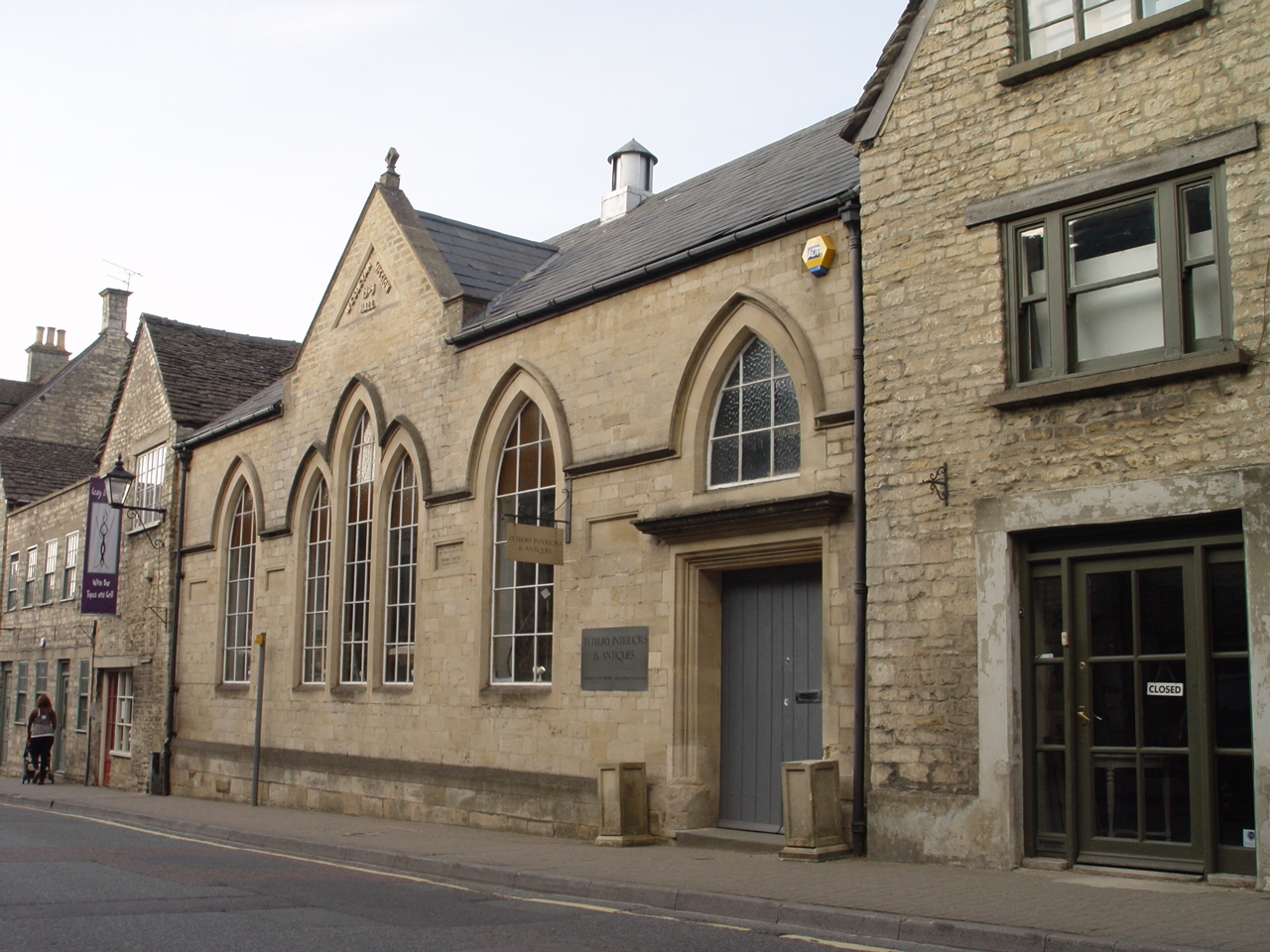
Tetbury grew rich on Cotswold wool and yarn, traded in the pillared Market House that has stood in the middle of town since 1655. Its antiques and interiors shops are now so well known that Homes & Antiques magazine named Long Street one of the UK's top ten favourite shopping streets in 2018. Tetbury is particularly strong on furniture, with dealers such as Brownrigg, Lorfords and The Emporium, and decorative shops such as Woodcock and Cavendish and Domestic Science make it as good for a look as for a single piece.
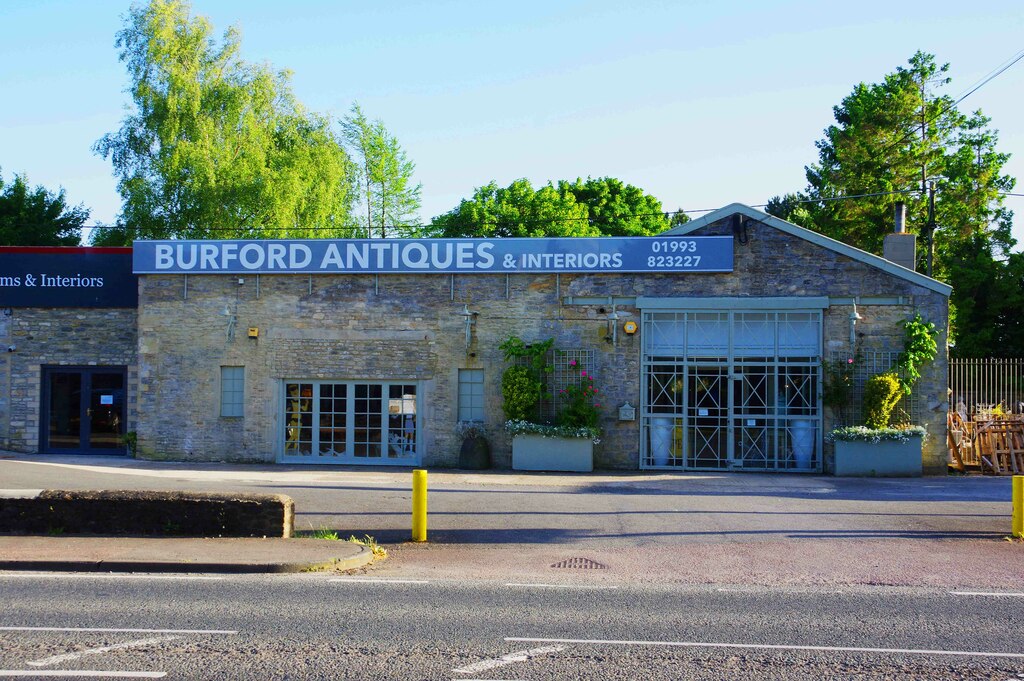
Burford, the honey-stone Cotswold town on the Windrush, makes an easy pairing with Stow: Antiques at The George fills several floors of a refurbished coaching inn and has been trading since 1992.
Lostwithiel, Cornwall
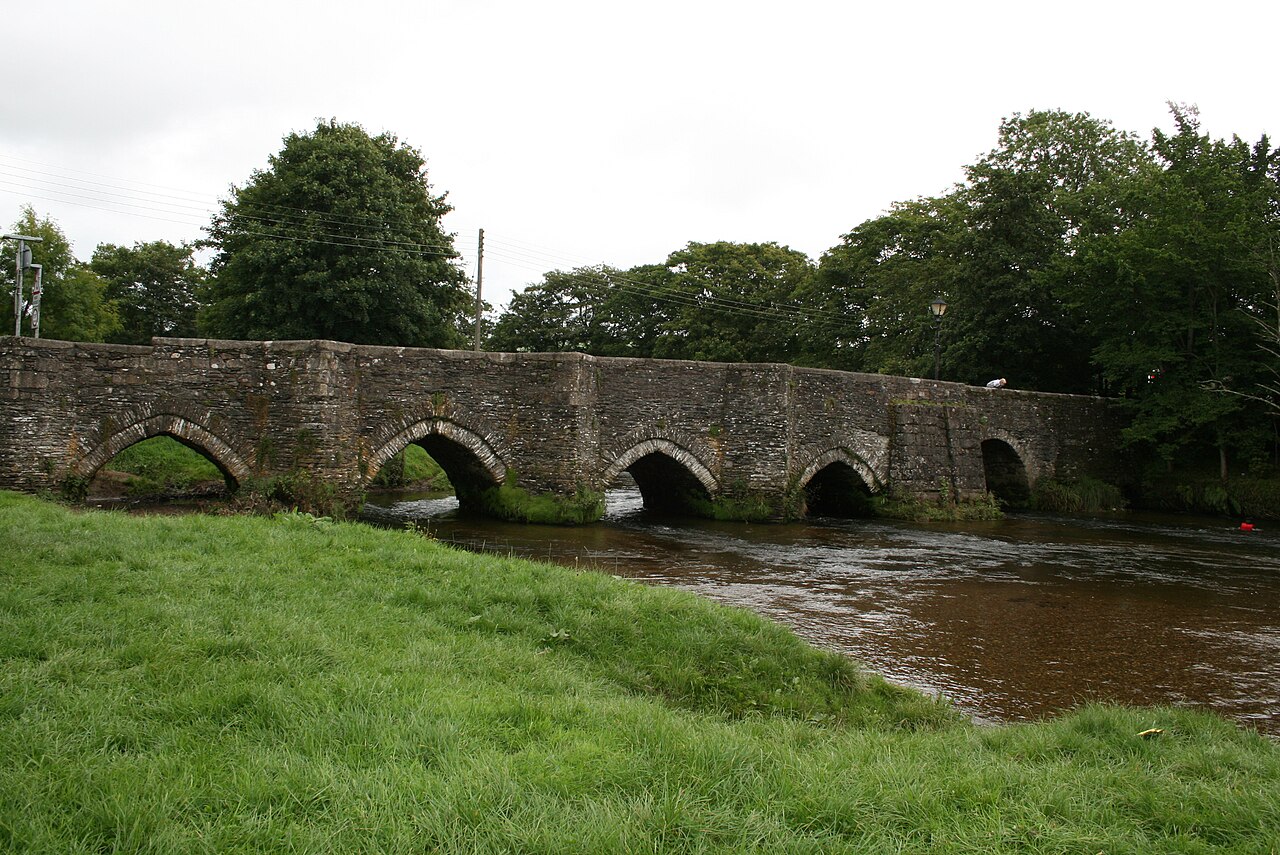
Lostwithiel was founded in the 12th century by the Norman lords who built nearby Restormel Castle, and it was once a stannary town, among the most important in Cornwall for the tin trade. Its early 14th-century bridge of six pointed arches still crosses the River Fowey. Today it is Cornwall's antiques town: Lostwithiel Antiques Centre on Mill Hill has a large space including garden and outdoor antiques and opens Wednesday to Saturday, and the Lostwithiel Antique and Collectors Market brings silver, jewellery, books, glass and ceramics on the first Saturday of the month.
And many more
Every region has its own antiques town. Ludlow has G. D. Ginger Antiques, a BADA dealer in early oak on Corve Street since 1985, and an outdoor market on the first and third Sunday of every month; nearby Leominster Antiques Centre hides a walled garden of salvage behind a slender frontage. In the North there are Barnard Castle, Harrogate's Antiques on High and the centres of York; in the East, Stamford's St Martins Antiques Centre with more than seventy dealers and the Norfolk town of Holt. Scotland has the Scottish Antique and Arts Centre at Doune with some 100 dealers, and Wales has The Works Antique Centre at Llandeilo, the biggest in south-west Wales, full of Welsh oak, china and blankets.
The Great Fairs
For sheer scale, nothing beats the big showground fairs, where dealers from across Britain and Europe set out their stock indoors and out, and the trade itself comes to buy. They are a wonderful day out, but they reward planning: wear comfortable shoes, bring cash as well as cards, and come early, because the best pieces go in the first hours.
The Newark International Antiques & Collectors Fair at Newark Showground in Nottinghamshire is billed as the largest antiques fair in Europe, with up to 2,000 stalls. The next is on 10 and 11 December 2026, and, as at most of these fairs, entry on the first day costs more than on the second, because that is when the dealers buy.
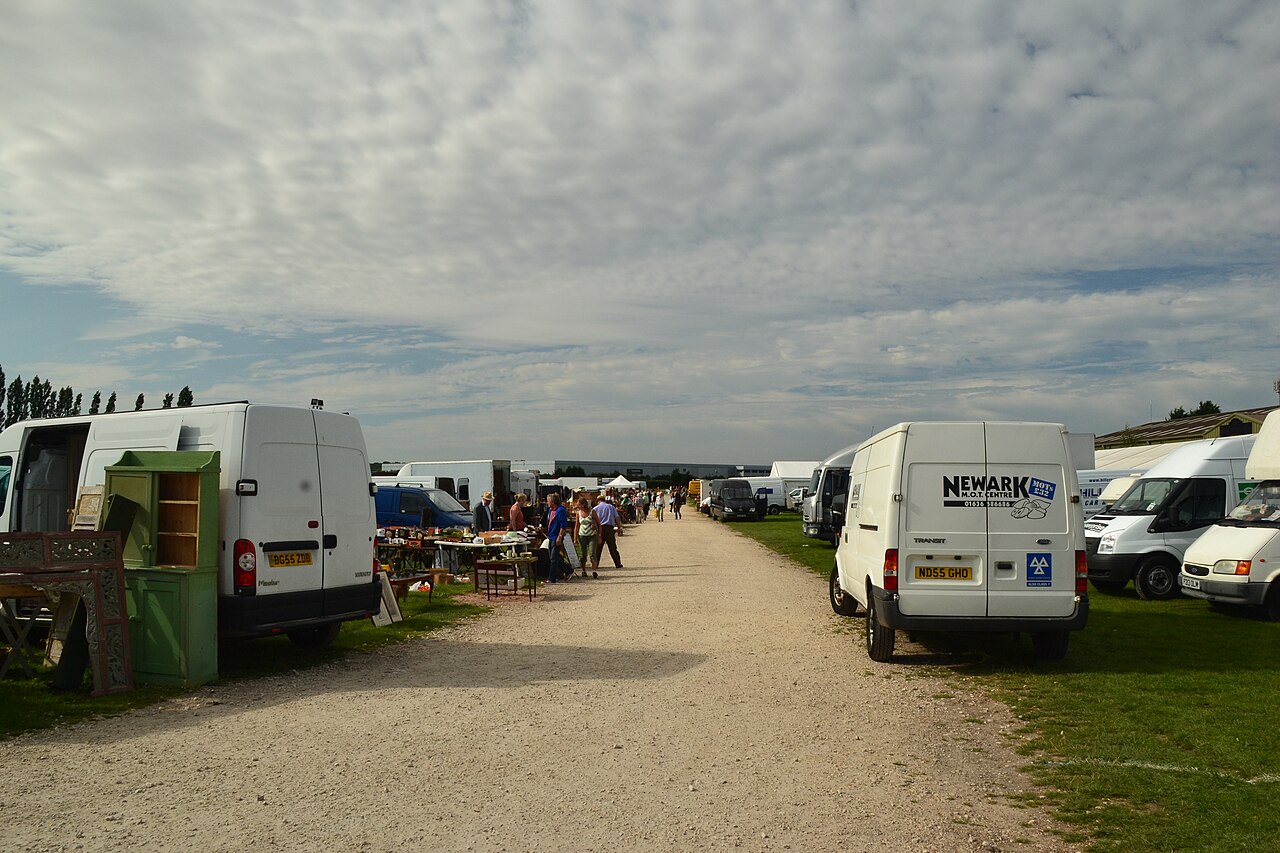
In the South, the Ardingly International Antiques & Collectors Fair fills the South of England Showground in West Sussex with hundreds of indoor and outdoor stalls several times a year. The next is on 3 and 4 November 2026: a Tuesday ticket costs £20 and includes Wednesday, while Wednesday alone costs £6 (prices checked October 2026). In the West, the Shepton Mallet Antiques & Collectors Fair at the Royal Bath & West Showground has more than 600 stands in four halls, six times a year, with the next on 6 to 8 November 2026.
Smaller fairs have their own charm. The Long Melford Antiques Fair in Suffolk is a midweek fair of quality dealers with no modern or reproduction items, Farnham Maltings Antiques Market is one of the oldest monthly markets in Surrey and Hampshire, and in Scotland the Edinburgh Antiques, Vintage & Collectors Fair at Ingliston, held four times a year, is widely regarded as the country's most important antiques event.
How to Buy Well
Judge the condition
Take your time and look at a piece from every side. On furniture, pull out the drawers: hand-cut dovetail joints are slightly irregular, while machine-cut ones, which arrived in the later 19th century, are perfectly even. Wear should be where hands and feet have rubbed it, on handles, arms and stretchers, and old timber shrinks across the grain, so a round table top is rarely a perfect circle. Ask whether handles, feet or veneers have been replaced, and whether a cabinet is a marriage, the trade's word for a top and base that started life apart. None of these need put you off, but they should be reflected in the price.
Read the marks
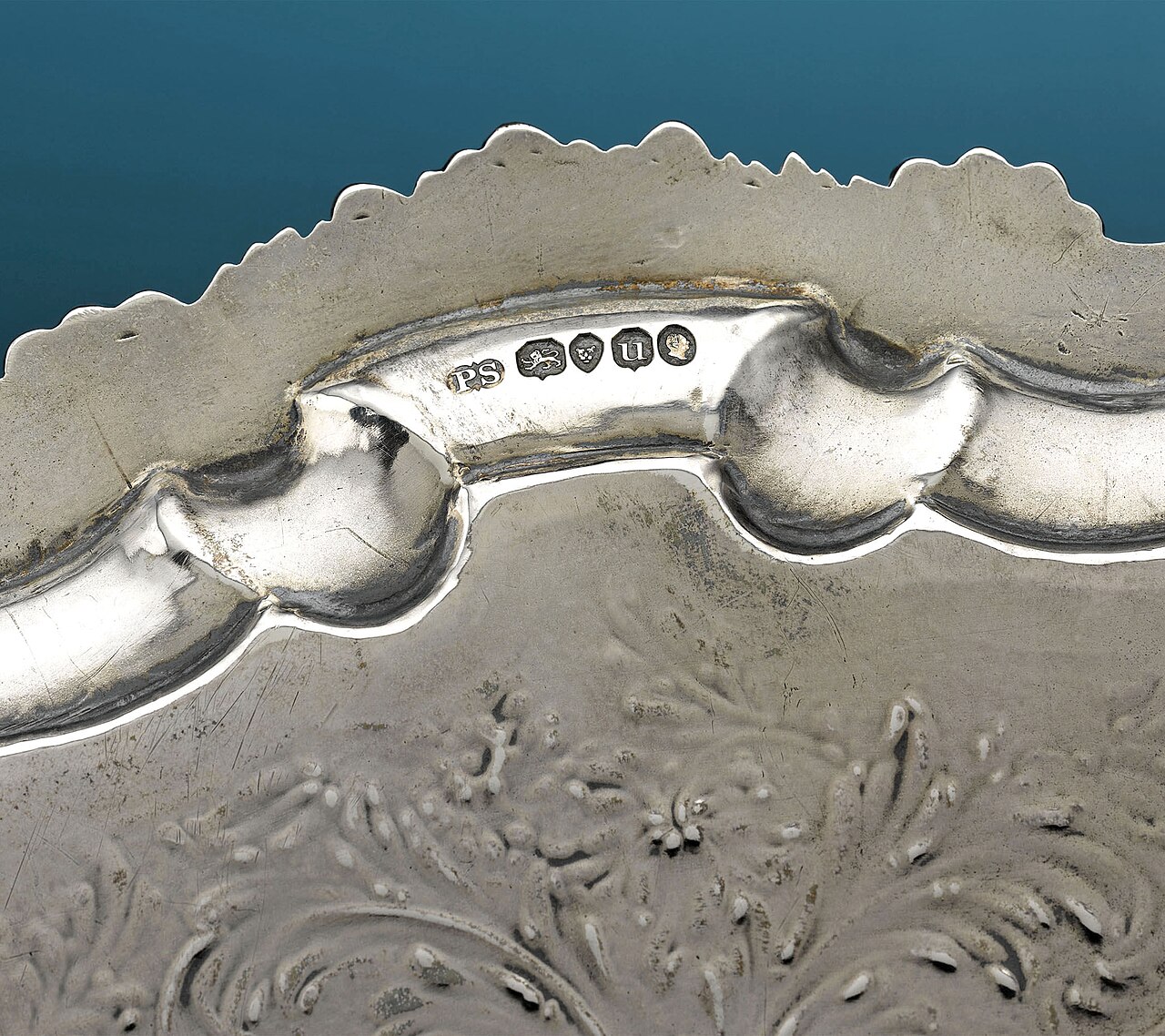
British silver is among the most reliably dated in the world, because hallmarking has been required by law since 1300; the London Assay Office is still run by the Goldsmiths' Company, whose hall gave the word to the language. A full set of marks tells you the maker, the assay office, the standard of the metal and, through the date letter, the year it was assayed. A small pocket guide to marks costs little and repays itself many times over. Porcelain and pottery often carry factory marks too, but these were widely copied, so treat them as a clue rather than proof.
Ask about provenance
Provenance is the history of who has owned a piece, and a good dealer will tell you what they know. It matters most for pictures, silver and fine furniture, where a documented history can add both confidence and value. Always ask for a receipt that describes the piece, its approximate date and any restoration; BADA and LAPADA members will give you one as a matter of course. Remember too that dealing in most items containing elephant ivory has been banned in the UK since the Ivory Act came into force in 2022, with only narrow exemptions, so ask before you buy anything that might contain it.
Talk about the price
In shops and at fairs it is quite normal to ask politely whether a dealer can do a better price, and most will give a little, particularly if you are buying more than one thing or paying in cash. At auction, remember that the hammer price is not the end of it: a buyer's premium, and VAT on that premium, is added on top, so check the terms before you bid. Before you set out, measure your space, and the doorways and stairs it has to pass through, and keep the numbers on your phone.
Buying Antiques Online
The trade has moved online too, which is a blessing if you live far from the antiques towns. Decorative Collective brings together well over a hundred vetted UK dealers, Vinterior and Selency sell curated vintage and antique furniture from independent sellers, and 1stDibs is the international marketplace where many of the dealers in Petworth, Tetbury and London list their best pieces. Ask for extra photographs and measurements, check the delivery and returns terms, and where you can, buy from a dealer who belongs to a trade association.
Antiques Centres and Fairs by Region
Every antiques centre, dealer and fair in our directory has been checked, and each region's page includes our pick of the online antiques marketplaces. Choose a region to plan your next antiques day out:
- Antiques centres, dealers and fairs in the North of England
- Antiques centres, dealers and fairs in the East of England
- Antiques centres, dealers and fairs in the South of England
- Antiques centres, dealers and fairs in the West of England
- Antiques centres, dealers and fairs in Scotland
- Antiques centres, dealers and fairs in Wales
- Antiques centres, dealers and fairs in Northern Ireland
- Antiques and vintage online, delivered UK-wide
Our Advice
Our advice: Make an antiques hunt a day out, not a dash: pick one of the great towns, arrive in the morning, walk the whole high street before you buy, and stop for lunch. Buy what you love and will use, look closely at condition, ask for a written receipt, and favour BADA and LAPADA members for anything valuable. For the thrill of the chase, put a big fair such as Ardingly or Newark in the diary, and find the rest in our directory.
Facts checked October 2026. Sources: bada.org · lapada.org · Wikipedia: British Antique Dealers' Association · Wikipedia: LAPADA · iacf.co.uk · newarkshowground.com · iacf.co.uk · hungerfordarcade.com · Wikipedia: Stow-on-the-Wold · Wikipedia: Tetbury · Wikipedia: Petworth · Wikipedia: Hungerford · Wikipedia: Lostwithiel · thegoldsmiths.co.uk · gov.uk. Fair dates, prices and opening days change, so please check before you travel.