Garden & Home Directory · The Guide
Curtains, Blinds & Shutters: Britain's Window Dressing Traditions and How to Choose
Nothing changes a room as quickly as its windows. A pair of well-made curtains can make a cold room cosy and a plain one grand; a crisp Roman blind can sharpen a kitchen, and a set of shutters can give a London terrace the calm of a Georgian townhouse. Britain has a long love affair with fabric at the window, and some of the finest curtain makers in the world still work in small workrooms up and down the country.
This guide follows that story, from Indian chintz and William Morris to Lancashire cotton, explains the choices you will face, from headings and linings to blinds and shutters, and shares what we have learned about working with a maker, with links throughout to the curtain makers, blind specialists and fabric shops we have checked in every region.
A Short History of the British Window
For centuries, glass was a luxury, and the window itself a statement. From 1696 until 1851, houses paid a window tax, which is why you still sometimes see bricked-up windows on old buildings. In Georgian houses, folding wooden shutters, boxed neatly into the window reveals, did most of the work of keeping out the cold and the light, and curtains were often simple, with festoons that pulled up into swags.
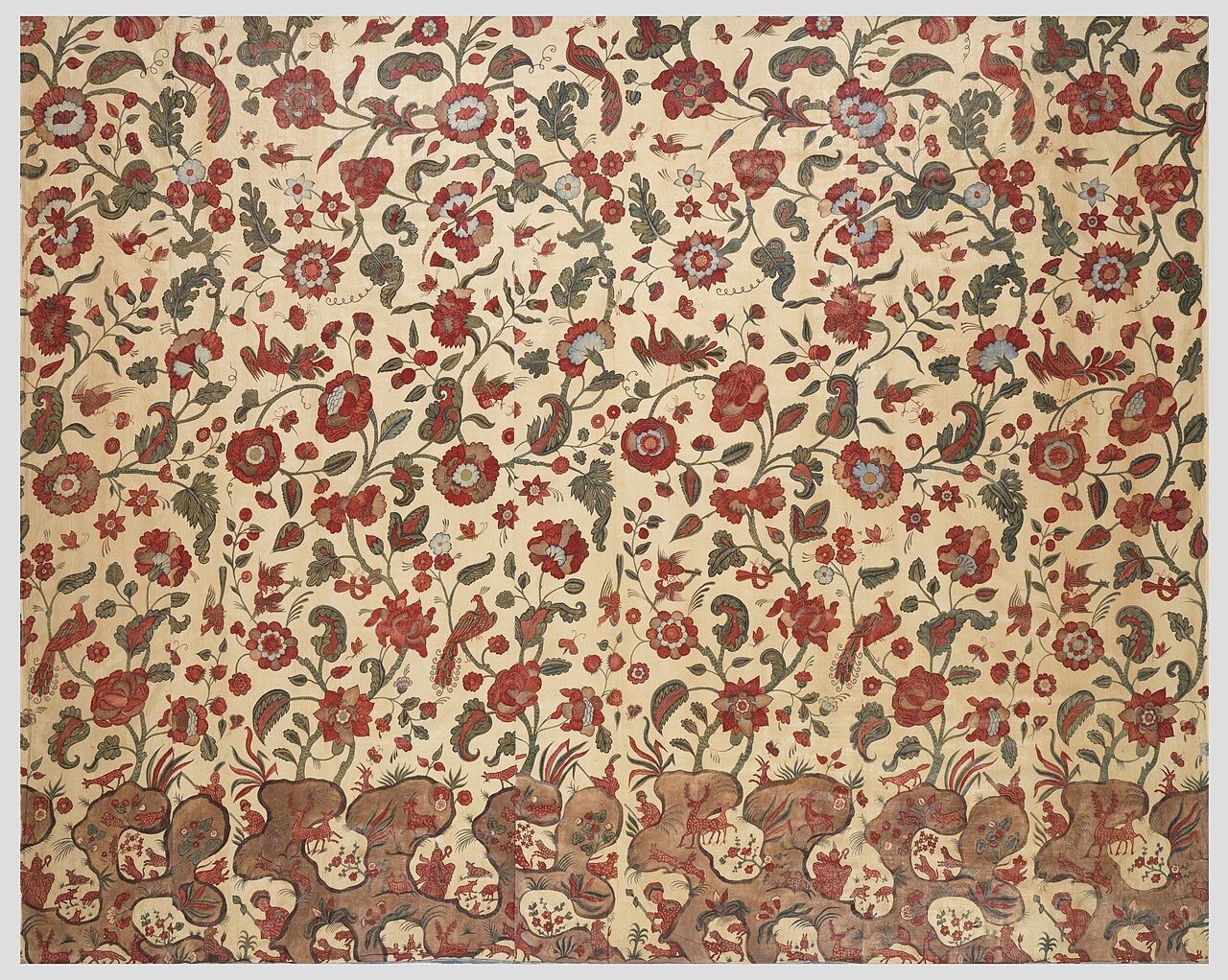
The fabrics that changed everything came from India. Painted and printed cottons, known as chintz, arrived in Britain through the East India Company in the 17th century and were so popular, with their bright, washable flowers, that Parliament passed laws in the early 18th century to restrict them and protect the home weavers of wool and silk. Their trailing branches and exotic blooms have inspired British furnishing fabrics ever since.
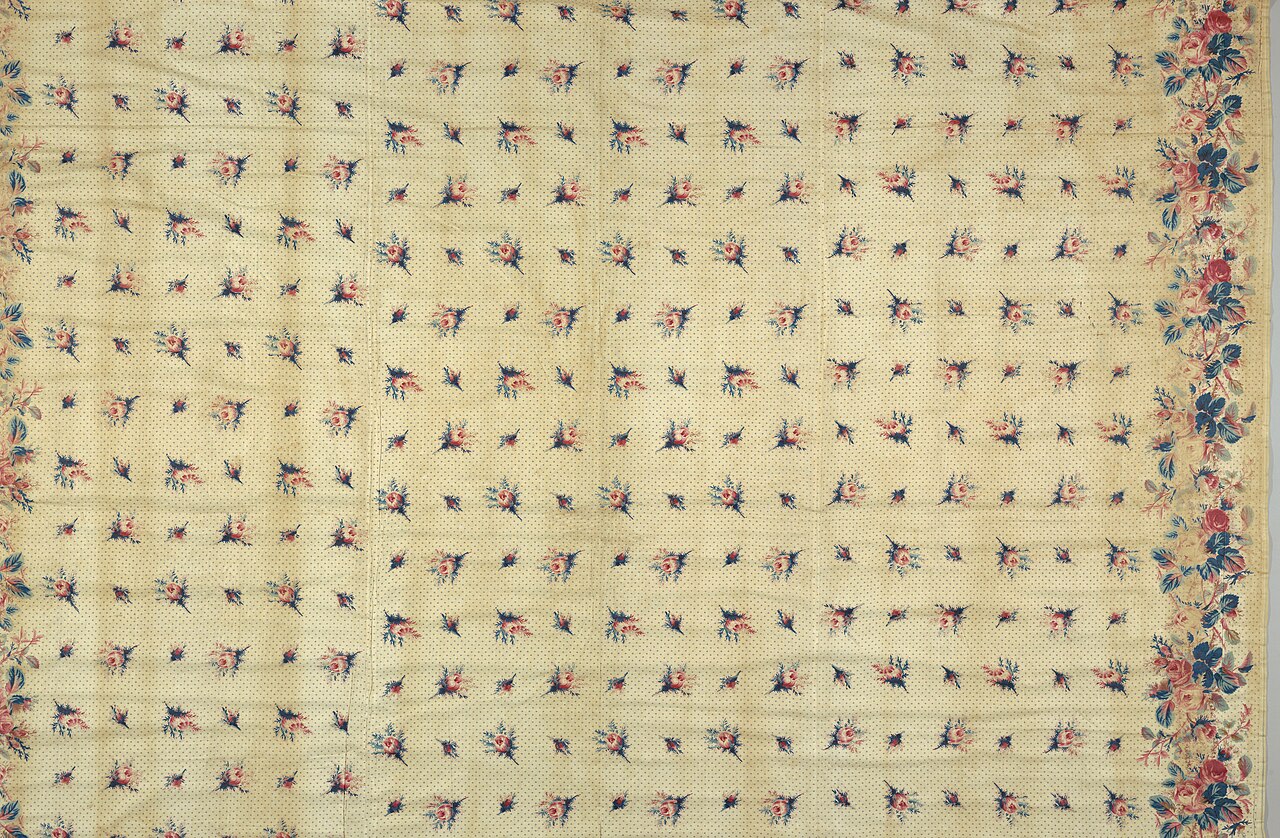
By the 19th century, Lancashire's mills were weaving cotton for the world, and printed furnishing fabrics became affordable to ordinary households for the first time. The Victorians loved their windows dressed in layers, with blinds, lace or muslin, heavy lined curtains and pelmets, and the curtain as we know it, full, lined and floor-length, became the centrepiece of the British room.
William Morris and the Art of Pattern
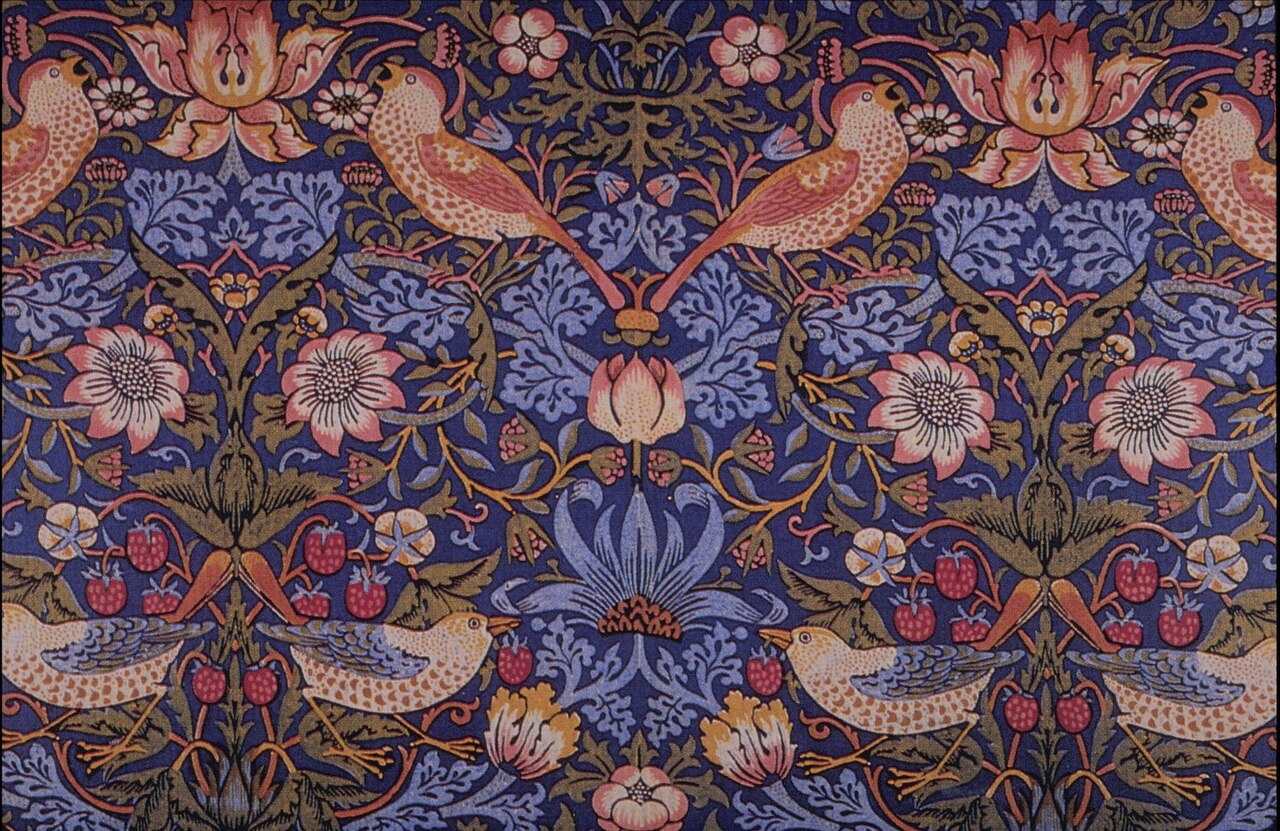
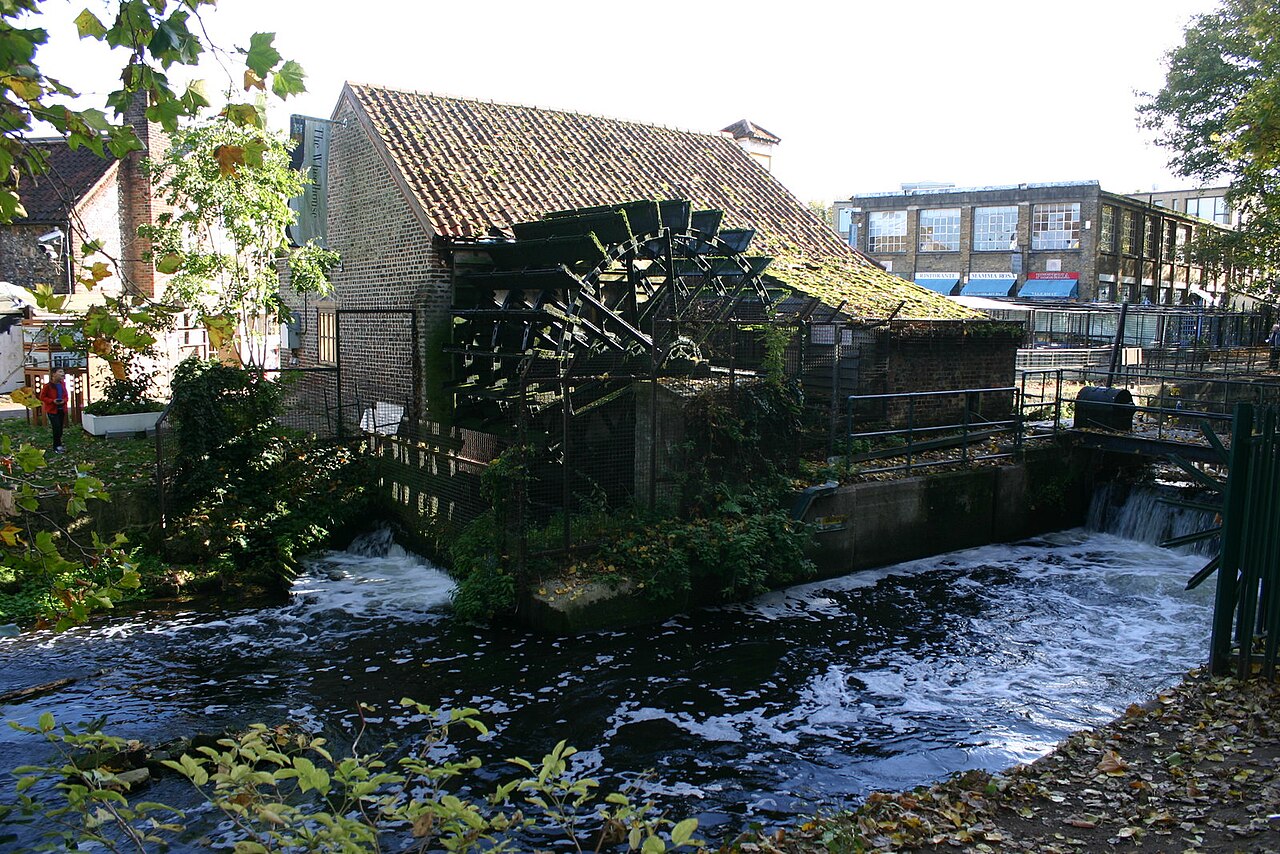
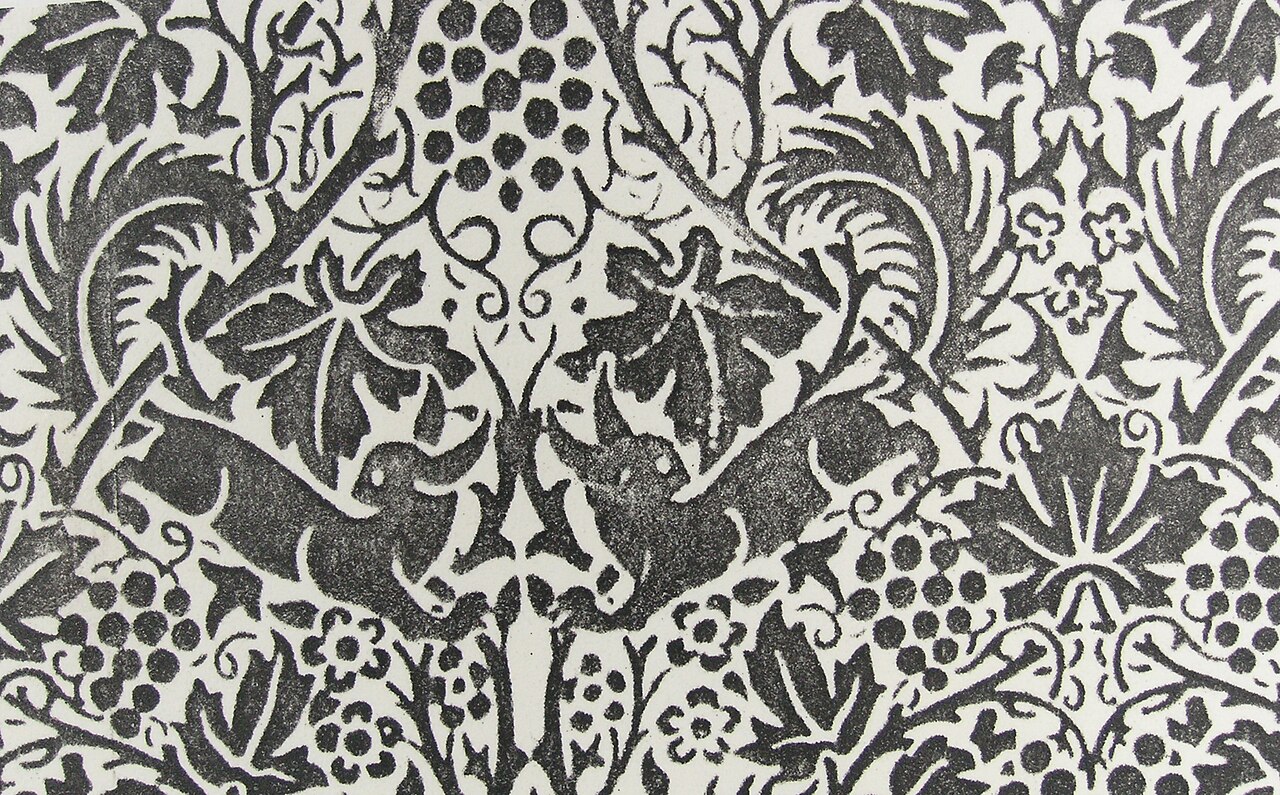
No one has shaped British furnishing fabrics more than William Morris. Unhappy with the harsh chemical dyes of his day, he went back to natural dyes such as indigo and madder, and in 1881 he moved his workshops to Merton Abbey, on the River Wandle in south London, where the clear water was ideal for dyeing and printing. His Strawberry Thief, designed in 1883, shows the thrushes that stole fruit from the kitchen garden at his country home, Kelmscott Manor, and was printed by the slow, painstaking indigo discharge method; it remains one of the best-loved patterns in the world.
After Morris, his assistant John Henry Dearle became the firm's art director and designed many of its later textiles, with the same love of birds, fruit and flowers. Morris designs are still printed today, and you will find them in the fabric books of almost every curtain maker in this guide.
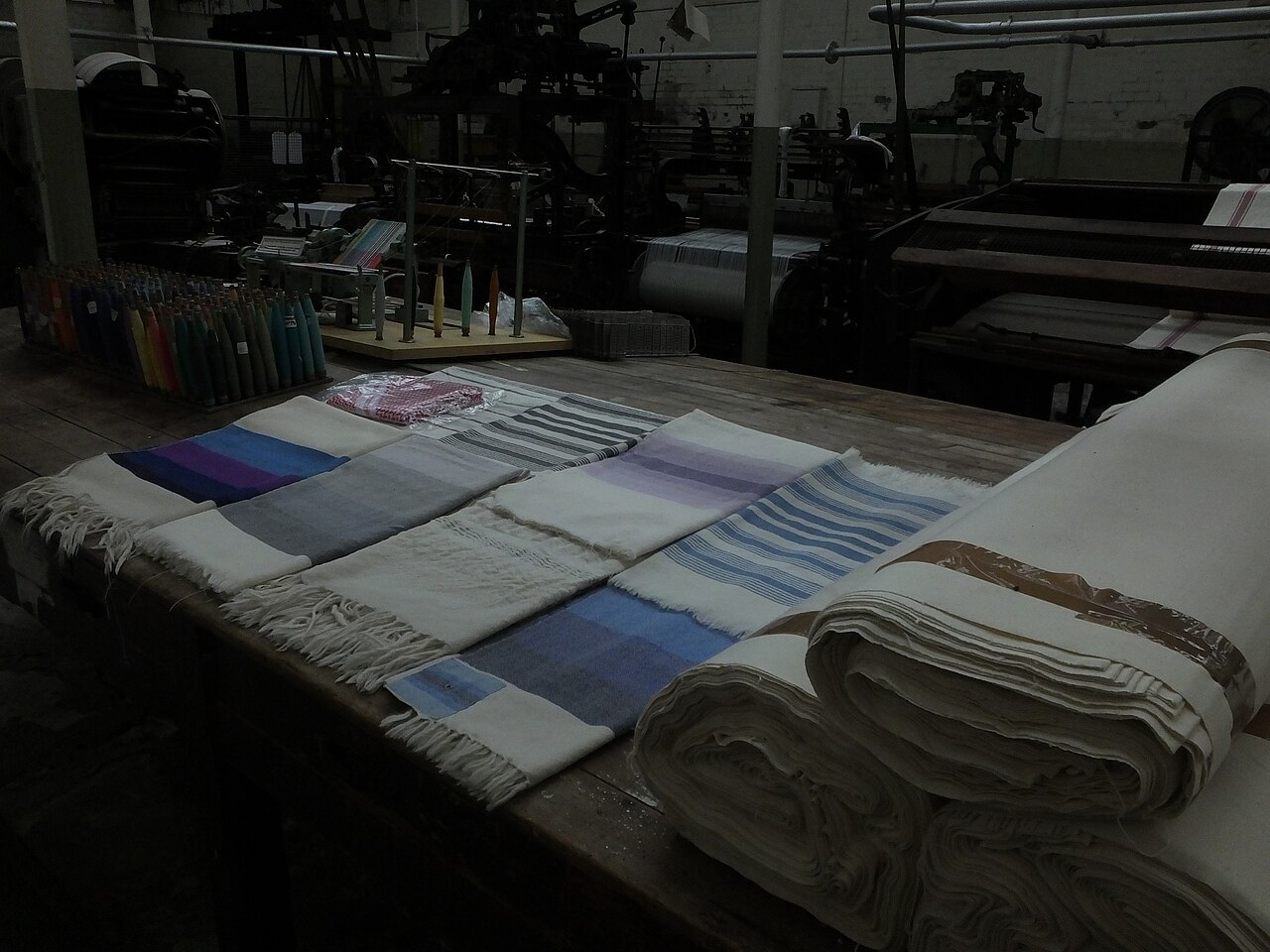
Britain's textile heritage is still alive. Queen Street Mill in Burnley, described as the world's only surviving operational steam-driven weaving shed, is now a museum (check the opening times before you go), and many of the fabrics in the shops below are still designed, and often woven, in Britain.
Choosing Curtains
Fabric and pattern
Start with the room. Linen and cotton give a relaxed, natural look, velvet and wool bring warmth and depth, and silk catches the light beautifully but fades in strong sun. A large pattern needs a big window and plenty of fabric to show it off, while a small print or a plain weave suits a cottage window. Ask to borrow a large sample and hang it at the window before you decide.
Headings
The heading, the way the top of the curtain is gathered, sets the style. Pencil pleats are relaxed and versatile; pinch pleats, in twos or threes, are tailored and classic; goblet pleats are formal and suit grand rooms and tall windows; and the wave heading, which hangs in soft, even folds, suits modern rooms and runs on a track.
Linings
Lining protects the fabric and helps it hang. A standard lining is enough for many rooms, blackout lining helps in bedrooms, and interlining, a soft blanket-like layer sewn between the fabric and the lining, gives curtains their full, luxurious drape and adds warmth to draughty old houses. Interlined curtains are the mark of a good traditional workroom.
Length and fullness
Sill-length curtains suit cottage windows and window seats, but floor-length curtains make almost any room look taller. Curtains that just kiss the floor look tailored; those that break or pool on it look romantic but gather dust. Generous fullness, usually two to two-and-a-half times the width of the pole or track, makes all the difference, and a pole that extends well beyond the window lets the curtains stack back and lets in more light.
Blinds and Shutters
Roman blinds, which fold up into soft pleats, give the look of a curtain with less fabric and suit kitchens, bathrooms and windows with a radiator below. Roller blinds are simple and practical, venetian blinds give precise control of light, and many rooms work best with a blind behind a pair of curtains. Plantation shutters, with adjustable louvres, have become hugely popular for bay windows and street-facing rooms, giving privacy without losing the light.
If you have small children at home, ask about cord safety: since 2014, new blinds sold in the UK have had to meet safety standards for looped cords, and members of the British Blind and Shutter Association, such as Country Blinds & Shutters in Norwich and Allure Blinds in Surrey, can advise on child-safe options.
Working with a Curtain Maker
A good curtain maker will measure your windows themselves, because an error of a centimetre shows. Many offer a home visit with fabric books, such as Closs & Hamblin, whose curtains are sewn locally by its own makers in Sussex and Hampshire, Curtain Creation, a family business since 1988 working across Surrey and Kent, and Country Fabrics near Harrogate. Others work from a shop full of fabric: The Cambridge Fabric Company has its own seamstresses, Dingwall Fabrics in Edinburgh specialises in made-to-measure soft furnishings, and Just Fabrics has showrooms in Cheltenham and Burford and its own Cotswold workroom.
Some of the most beautiful work comes from small, independent workrooms. In Edinburgh, Gillian Sinclair's workshop, Sinclairs, has 30 years' experience of making curtains for homes, castles and interior designers; in Newcastle, Amanda Baker Soft Furnishings has been making curtains since 2002; and in Kent, Mill House Designs has made handmade curtains in its own workroom since 1988. In Wales, Foy & Co works from a studio near Cowbridge, and in Northern Ireland Classic Curtains has been making and fitting curtains for more than twenty-five years.
For a large choice of designer fabrics under one roof, Sofas & Stuff displays more than 200 fabric books at Knutsford, including RHS and V&A collaborations. And if you are confident with a tape measure, online makers such as Sewing House and British Made Interiors make curtains to order in the UK, while Blinds2Go is a good-value choice for made-to-measure blinds.
When you get a quote, check what it includes: fabric, lining and interlining, making, the pole or track, fitting and dressing the curtains so they hang in even folds. Ask about the lead time, too, because good workrooms are busy, especially in the autumn as people prepare their homes for winter.
Curtain Makers and Blind Specialists by Region
Every curtain maker, blind specialist and fabric shop in our directory has been checked, and each region's page includes the made-to-measure makers you can order from online. Choose a region to find a maker near you:
- Curtain makers, blinds and shutters in the North of England
- Curtain makers, blinds and shutters in the East of England
- Curtain makers, blinds and shutters in the South of England
- Curtain makers, blinds and shutters in the West of England
- Curtain makers, blinds and shutters in Scotland
- Curtain makers, blinds and shutters in Wales
- Curtain makers, blinds and shutters in Northern Ireland
- Curtains and blinds made to measure online, delivered UK-wide
Our Advice
Our advice: Treat your windows as part of the architecture: choose fabric for the room and the light, be generous with fullness and length, and use interlining in old or draughty houses. Let a maker measure for you, hang a large sample before you commit, and book early for the autumn rush. You will find family workrooms and specialists, region by region, in our directory, and the colours to go with them in our guide to heritage paint and wallpaper.
Facts checked October 2026. Sources: vam.ac.uk · vam.ac.uk · Wikipedia: Window tax · Wikipedia: Calico Acts · Wikipedia: Queen Street Mill · Wikipedia: John Henry Dearle · Wikipedia: Strawberry Thief · bbsa.org.uk · collection.cooperhewitt.org · ashmolean.org. Workrooms book up ahead of busy seasons, and lead times and services change, so please check when you enquire.