Beauty Spots · Kent
The White Cliffs of Dover: History, Lighthouse, Castle & the Best Walks
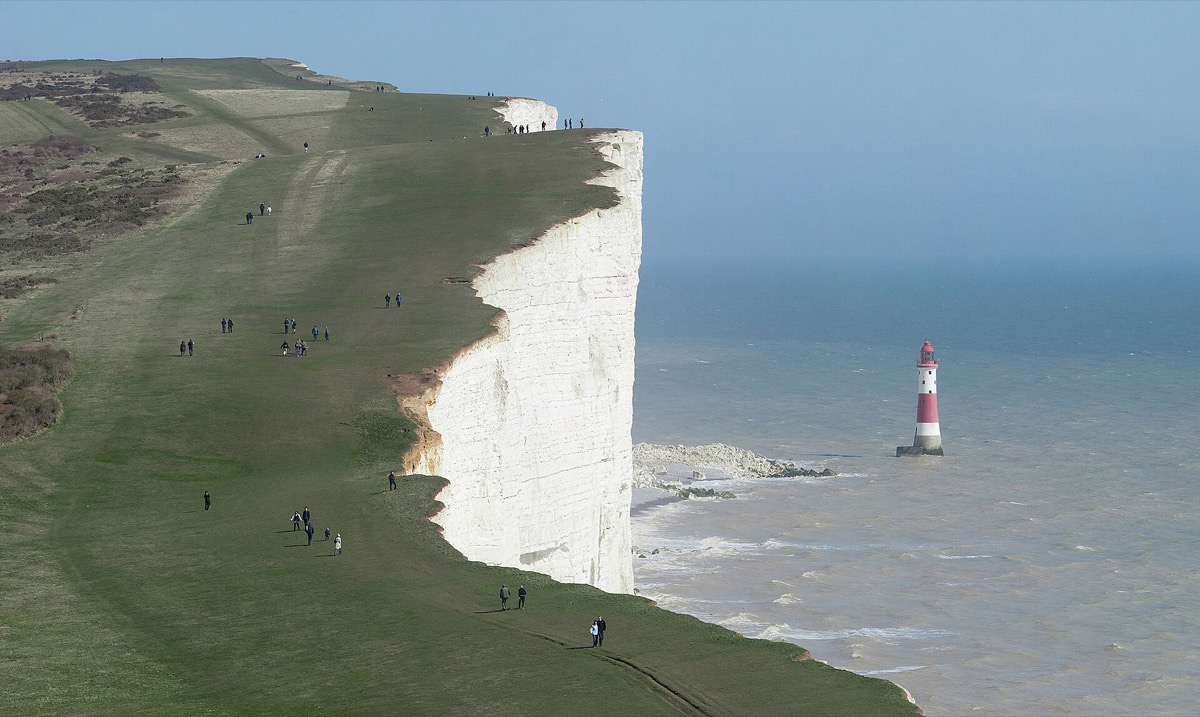
The White Cliffs of Dover rise on either side of the port of Dover, on the coast of Kent facing France across the narrowest part of the Channel. On a clear day you can see the coast of France, just twenty-one miles away.
Why The White Cliffs of Dover Is Special
For centuries the White Cliffs have been the first and last sight of England for travellers crossing the Channel, and they have become a symbol of home and of the nation's history.
The clifftop walk from the National Trust visitor centre to South Foreland Lighthouse is one of the most dramatic coastal walks in the country.
The History of The White Cliffs of Dover
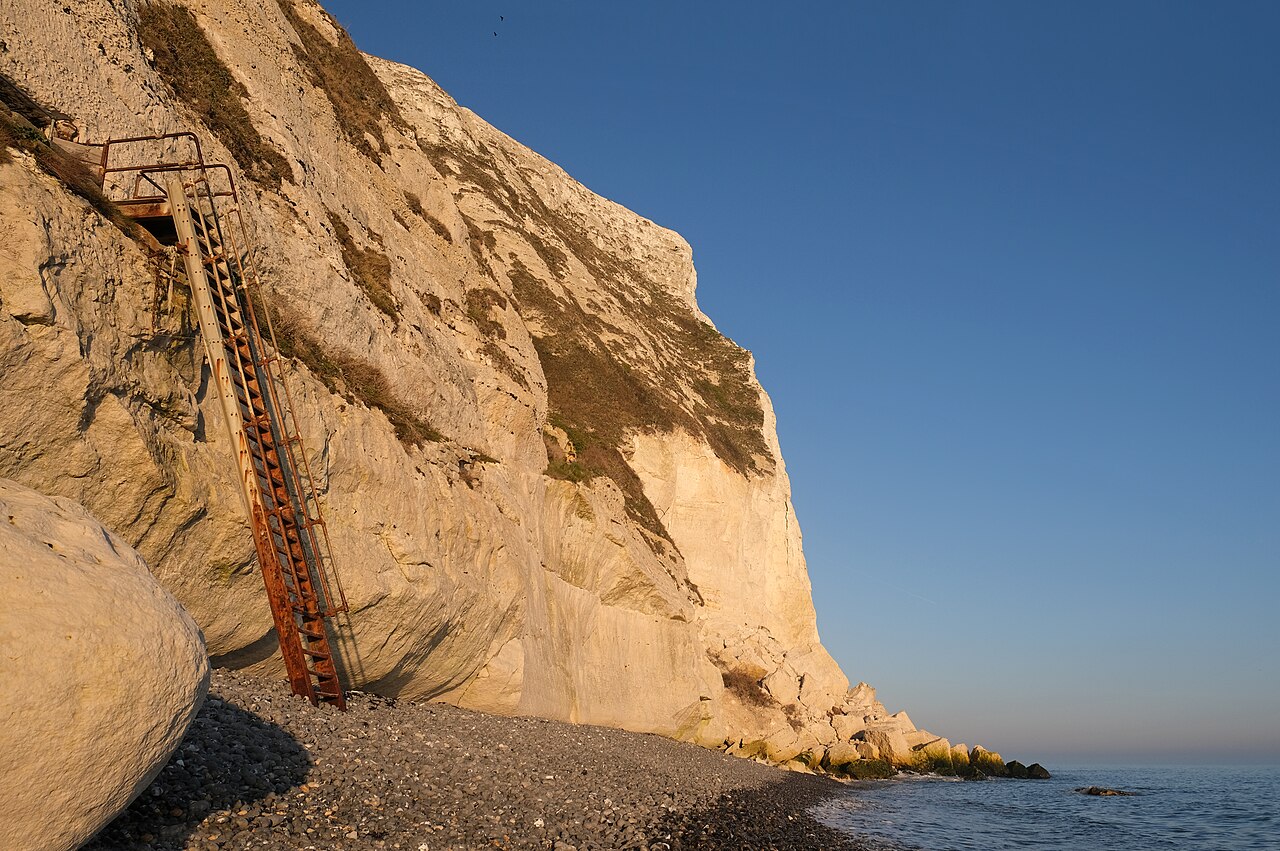
The cliffs reach a height of 350 feet (110 metres). Their striking whiteness comes from chalk, laid down in the Late Cretaceous and streaked with bands of black flint.
Above the town stands Dover Castle, the largest castle in England, guarding the shortest sea crossing to the Continent. During the Second World War the tunnels cut into the cliffs beneath it were the headquarters for Operation Dynamo, the evacuation of Dunkirk in 1940, and the cliffs inspired Vera Lynn's famous wartime song.
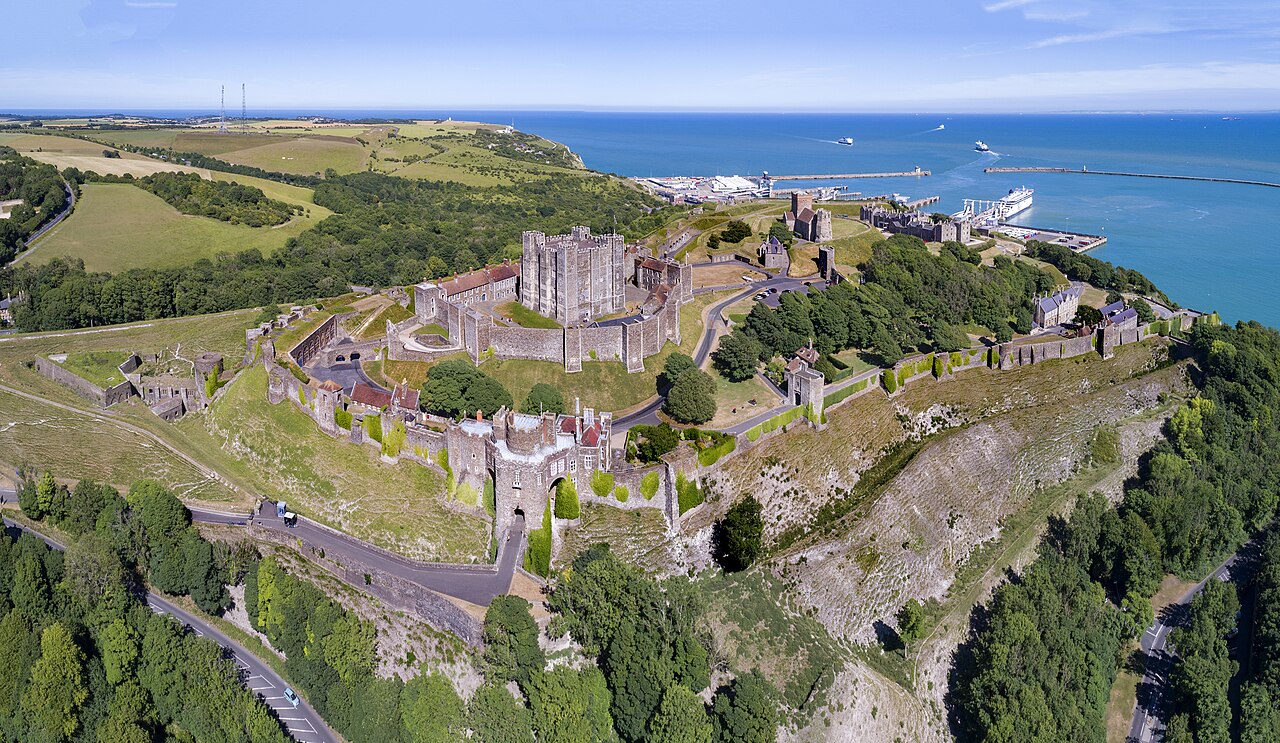
The National Trust looks after much of the cliffs east of Dover, with a visitor centre opened in 1999. Along the clifftop, South Foreland Lighthouse is a Victorian lighthouse that played a part in early experiments with electric light and radio.
What to See & the Best Walks at The White Cliffs of Dover
Walk from the National Trust visitor centre along the clifftop to South Foreland Lighthouse, about two miles, watching the ferries come and go below. Visit the lighthouse and its tea room when they are open.
Visit Dover Castle (English Heritage) for its great tower and the secret wartime tunnels. Further east, the beach at St Margaret's Bay lies below the cliffs.
Wildlife at The White Cliffs of Dover
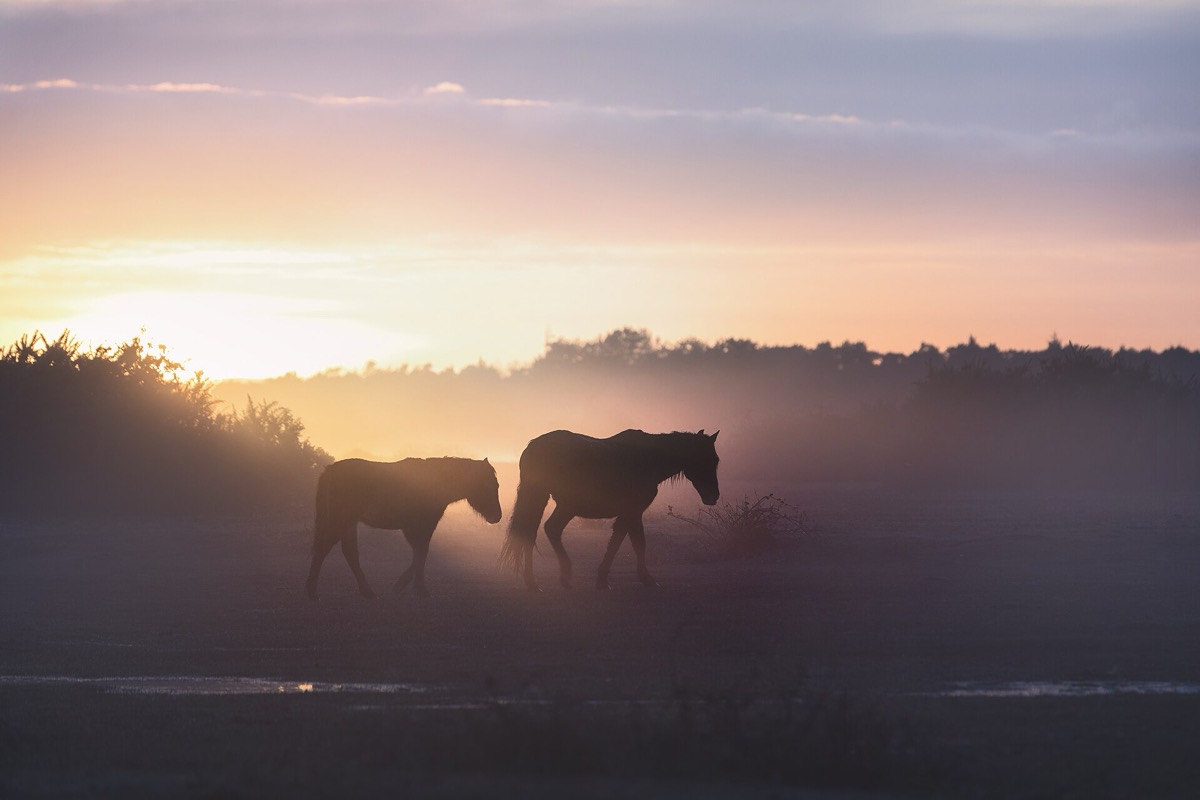
Exmoor ponies graze the clifftop grassland to keep it open for wild flowers, including orchids, and for butterflies such as the Adonis blue. Peregrine falcons and fulmars nest on the cliffs. Please keep well away from the edge.
Gardens, Countryside & Antiques near The White Cliffs of Dover
The North Downs Way ends at Dover. For wildlife, Howletts and Port Lympne is close by, and Moda in Folkestone sells interiors.
Sandwich, a medieval Cinque Port, is a short drive north; see our guide to Sandwich.
The White Cliffs of Dover Through the Seasons
Spring and early summer bring wild flowers and butterflies to the clifftop. Summer gives the clearest views to France. Autumn and winter are quieter, with dramatic seas below the cliffs.
Getting to The White Cliffs of Dover
Dover Priory station has high-speed trains from London St Pancras. The National Trust visitor centre is about a mile and a half from the town.
The White Cliffs of Dover: Questions & Answers
How high are the White Cliffs of Dover?
They reach 350 feet (110 metres).
Can you see France from the White Cliffs?
Yes, on a clear day: the French coast is about twenty-one miles away across the Strait of Dover.
Our Advice
Our advice: Walk the clifftop to South Foreland Lighthouse on a clear morning, then visit Dover Castle and its tunnels in the afternoon.
Facts checked October 2026. Sources: Wikipedia: White cliffs of Dover · nationaltrust.org.uk. Opening times and prices change, so please check before you travel.