Villages & Towns · Cornwall
St Ives, Cornwall: History, Tate St Ives, Barbara Hepworth & Things to Do
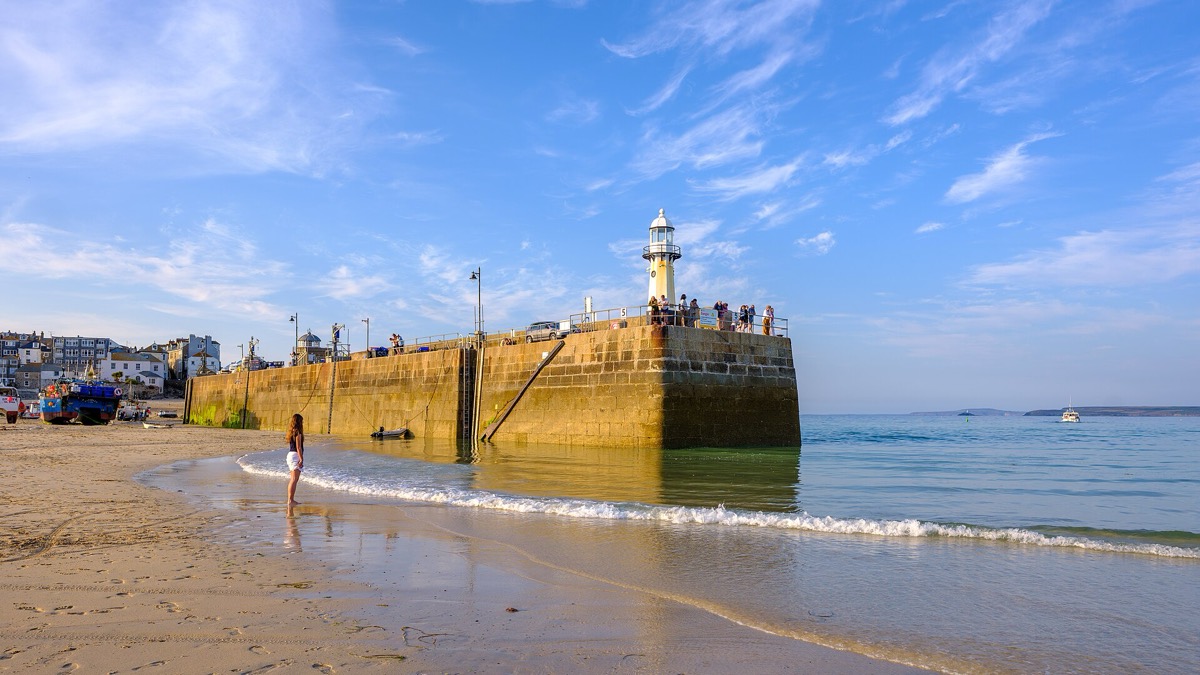
St Ives lies on a headland on the north coast of Cornwall, its old fishing town of granite cottages wrapped around a sheltered harbour, with golden beaches on either side. The light here, clear and bright over turquoise water, has drawn artists for more than a century.
Why St Ives Is Special
Few seaside towns in Britain combine so much: beautiful beaches, a lively harbour, a maze of old streets known as Downalong, and a world-class art scene, from the Tate to small studios and galleries on every corner.
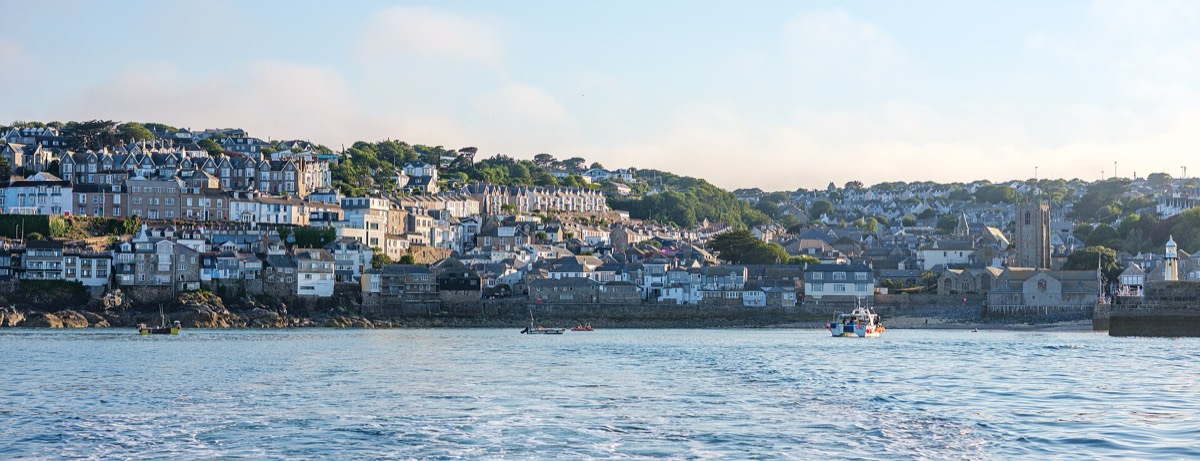
It is a joyful place to spend a few days, with the coast path, the beaches and the gardens of West Cornwall all around.
The History of St Ives
Legend says St Ives takes its name from St Ia, an Irish saint who arrived in the 5th century. The Sloop Inn on the wharf, a fishermen's pub for centuries, is dated to around 1312, making it one of the oldest inns in Cornwall. The first reference to a pier comes in 1478, in William Worcester's Itinerary, and in 1487 Henry VII granted the town a market charter. St Ives was incorporated as a borough in 1639.
For centuries St Ives lived by the sea. It was one of the four principal Cornish pilchard ports, with Falmouth, Fowey and Penzance; the greatest catch ever taken in one seine net was 5,600 hogsheads, at St Ives in 1868, and most of the fish were exported to Italy. John Smeaton rebuilt the pier between 1766 and 1770, and it still shelters the harbour.
The arrival of the St Ives Bay branch line from St Erth in 1877 began the modern resort, and much of the town was built in the late 19th century. The artists came too. J. M. W. Turner visited in 1811, and James Whistler and Walter Sickert came in the 1880s.
In 1920 Bernard Leach and Shōji Hamada set up the Leach Pottery, and in 1939 Ben Nicholson, Barbara Hepworth and Naum Gabo settled in St Ives, making it one of the most important centres of modern art in Europe. In 1948 Hepworth and Nicholson led the founding of the Penwith Society of Artists. Hepworth lived and worked at Trewyn Studio until her death in 1975, and the Tate has owned the Barbara Hepworth Museum and Sculpture Garden since 1980. Tate St Ives opened in 1993.
The sea has taken its toll, too. The first lifeboat was stationed here in 1840, and in the early hours of 23 January 1939, in a Force 10 storm, seven crewmen died in the St Ives lifeboat tragedy.
Things to Do in St Ives
Visit Tate St Ives above Porthmeor Beach and the Barbara Hepworth Museum and Sculpture Garden, one of the most peaceful places in Cornwall (check opening times and book ahead in summer). The Leach Pottery, on the road out of town, has a museum and a working studio.
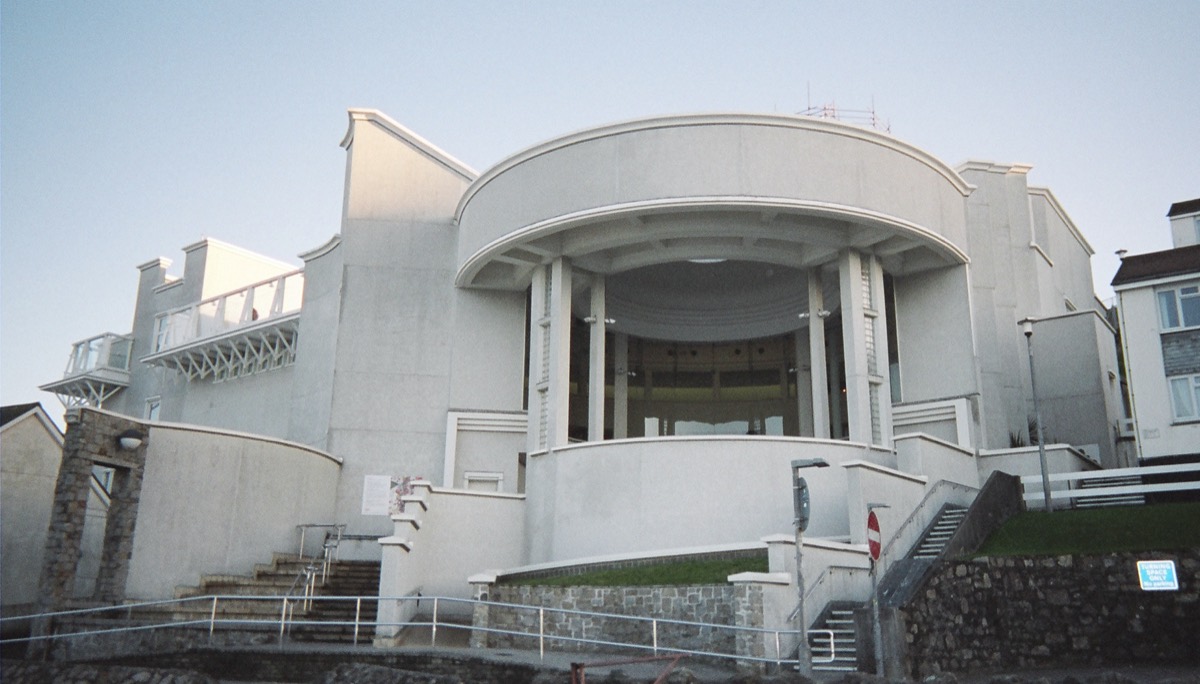
Walk the harbour and Smeaton's Pier, climb the Island to the little chapel of St Nicholas for views of the bay, and choose a beach: Porthmeor for surfing, Porthminster for families, Porthgwidden for a sheltered cove.
Gardens, Countryside & Antiques near St Ives
The South West Coast Path west to Zennor is one of the finest walks in Britain. For gardens, Trebah, The Lost Gardens of Heligan and the Eden Project are all within an hour's drive, and Trevena Cross Nurseries is closer for plants.
Mousehole and Penzance are about half an hour away; see our Mousehole guide. Lostwithiel, further east, is Cornwall's antiques town: see Lostwithiel Antiques Centre.
St Ives Through the Seasons
Spring brings wildflowers to the cliffs and quiet galleries. Summer is busy and joyful, so book ahead. Autumn is a wonderful time for walking, with warm seas and fewer crowds, and in winter the town is quiet and the light still beautiful.
Getting to St Ives
The best way to arrive is by train on the St Ives Bay Line from St Erth, one of the most scenic short railway journeys in Britain. Parking in the town centre is very limited, so drivers should use a park-and-ride or the car parks above the town.
St Ives: Questions & Answers
Why is St Ives famous for art?
Its clear light drew Turner in 1811 and later Whistler and Sickert; from 1939 Barbara Hepworth, Ben Nicholson and Naum Gabo made it a centre of modern art, and Tate St Ives opened in 1993.
How do you get to St Ives by train?
Take the St Ives Bay Line from St Erth, a short and very scenic branch line along the bay.
Our Advice
Our advice: Leave the car behind and arrive by the little branch line along the bay. Give one morning to Hepworth's garden and the Tate, one afternoon to the coast path, and every evening to the harbour.
Facts checked October 2026. Sources: Wikipedia: St Ives, Cornwall · tate.org.uk · leachpottery.com. Opening times and prices change, so please check before you travel.