Villages & Towns · Hampshire
Selborne, Hampshire: Gilbert White's Village, History & Walks
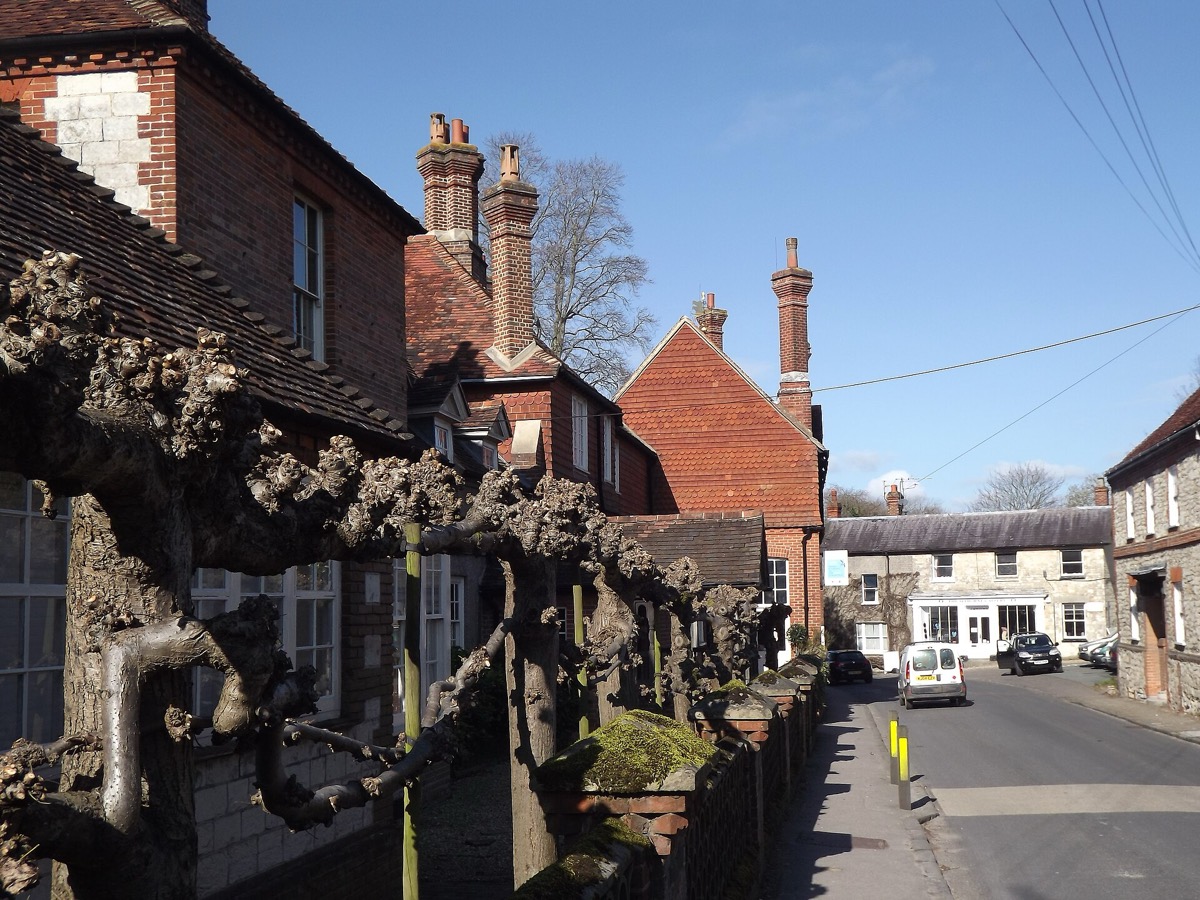
Selborne is a small village of stone and brick cottages about four miles south of Alton, just inside the northern boundary of the South Downs National Park. Above it rises the Hanger, a steep beech wood on the chalk, and below lie quiet lanes and meadows that have hardly changed since the 18th century.
Why Selborne Is Special
Selborne is special because of one man. Gilbert White, the parson-naturalist, lived here almost all his life and wrote one of the most loved books in the English language about it. To walk through the village is to walk through the pages of that book.
It is also simply a beautiful place for a country walk, with the Hanger, the common and the meadows all a few minutes from the village street.
The History of Selborne
The parish church of St Mary the Virgin dates back to the late 12th century and is Grade I listed. For most of its history Selborne was a quiet farming village, until one of its sons made it famous.
Gilbert White was born in his grandfather's vicarage at Selborne on 18 July 1720. His family moved into The Wakes, a house on the village street, in 1728, and it was to be his home for the rest of his life. He studied at Oriel College, Oxford, was ordained, and held several curacies, including Selborne itself on four separate occasions. After his father's death in 1758 he moved back to The Wakes for good, and he inherited it in 1763.
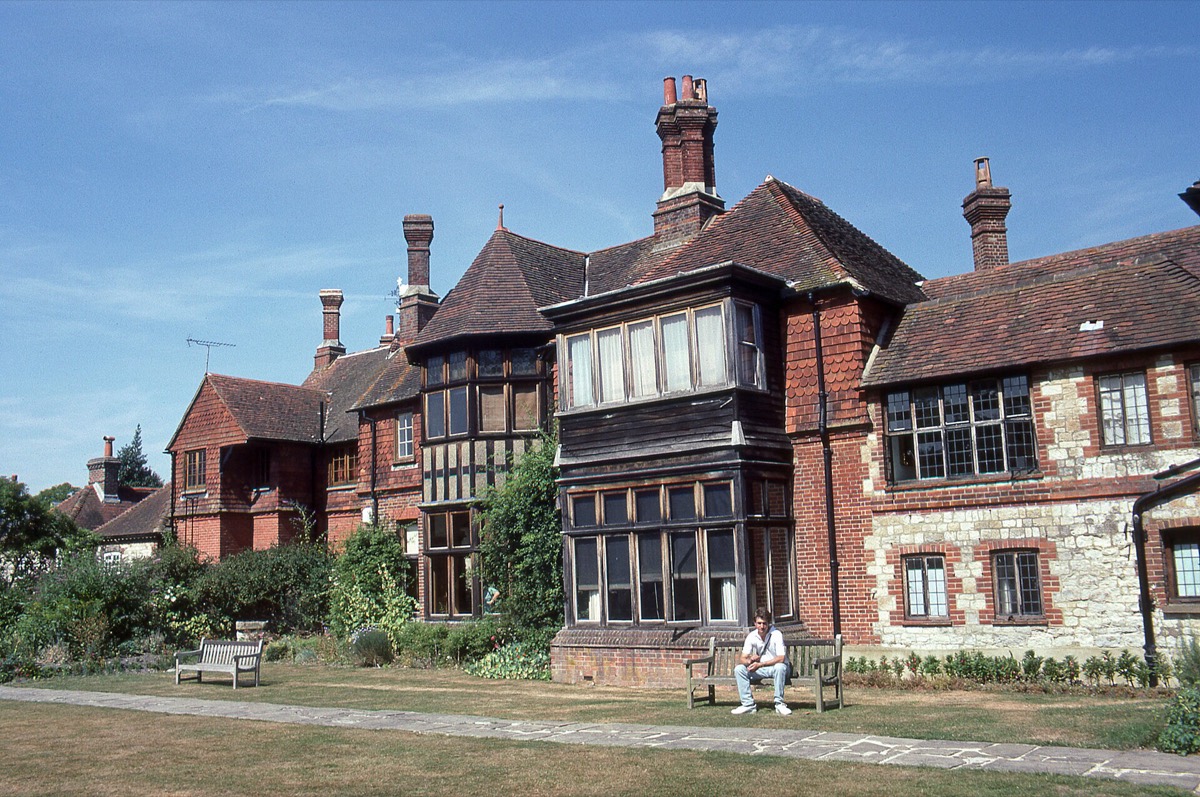
For decades White watched the birds, insects, plants and weather of his parish with a patience no one had shown before, recording it all in letters and journals. The Natural History and Antiquities of Selborne was first published in 1789 by his brother Benjamin, and it has never been out of print. White died in 1793 and was buried in the churchyard of St Mary's.
His influence was enormous. Charles Darwin named White's writings among the books that had impressed him in his youth, and White is often called a pioneer of birdwatching and of the study of ecology. Later The Wakes became the home of the zoologist Thomas Bell, who edited a new edition of the book, and today it is a museum.
The house also holds a collection about Captain Lawrence Oates, who died on Captain Scott's expedition to Antarctica, and his uncle Frank Oates, an explorer and naturalist.
Selborne has continued to inspire. In 1957 British Transport Films made Journey into Spring, a tribute to White that follows the arrival of spring in the village, and in 2002 the Gilbert White Field Studies Centre moved into a restored 16th-century Hampshire barn, re-erected in the parkland behind his house, where children still learn to look at nature the way he did.
Things to Do in Selborne
Gilbert White's House and Gardens (check opening times) shows the rooms where he lived and wrote and the garden he planted and recorded in such detail, which has since been restored. The Oates Collection is in the same house.
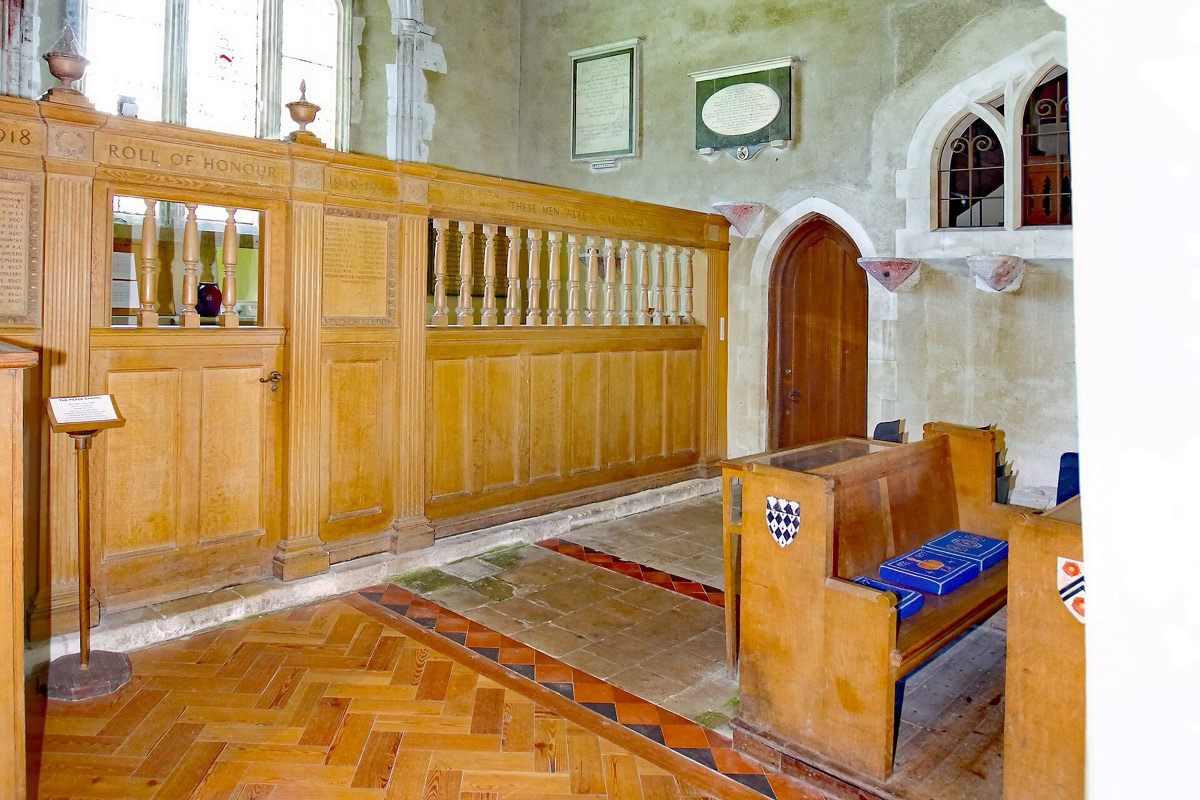
Cross the road to St Mary's church to see White's simple grave and the memorial window to him, then climb the Zig-Zag path that Gilbert White and his brother cut up the Hanger, for a wide view over the village and the Weald. The Selborne Hanger and Common are cared for by the National Trust. Selborne Pottery, in the village, makes hand-thrown stoneware.
Gardens, Countryside & Antiques near Selborne
Selborne lies within the South Downs National Park, and our South Downs guide covers the walks and viewpoints of the Western Downs. Jane Austen's House at Chawton is about five miles away, making a perfect literary day out.
Winchester, with Farrow & Ball Winchester and The Hambledon, is about half an hour's drive, and Marwell Zoo is south of Winchester.
Selborne Through the Seasons
White's own calendar is the best guide: spring brings the swifts and swallows he wrote about so tenderly, and the Hanger is full of bluebells and birdsong. Summer is perfect for the garden at The Wakes, autumn turns the beech hanger copper, and winter walks reveal the shape of the land he knew so well.
Getting to Selborne
The nearest railway station is Alton, about four miles north, at the end of the line from London Waterloo. There is a village car park behind the Selborne Arms.
Selborne: Questions & Answers
Who was Gilbert White?
Gilbert White (1720–1793) was the parson-naturalist who lived at The Wakes in Selborne and wrote The Natural History and Antiquities of Selborne, first published in 1789 and never out of print.
Can you visit Gilbert White's house?
Yes. Gilbert White's House and Gardens at The Wakes is a museum, with his garden and the Oates Collection; check opening times before you go.
Our Advice
Our advice: Read a few of Gilbert White's letters before you come, then visit The Wakes, climb the Zig-Zag and sit at the top of the Hanger for a while. You will see Selborne through his eyes.
Facts checked October 2026. Sources: Wikipedia: Selborne · Wikipedia: Gilbert White · gilbertwhiteshouse.org.uk · nationaltrust.org.uk. Opening times and prices change, so please check before you travel.