Villages & Towns · East Sussex
Rye, East Sussex: History, What to See & Things to Do
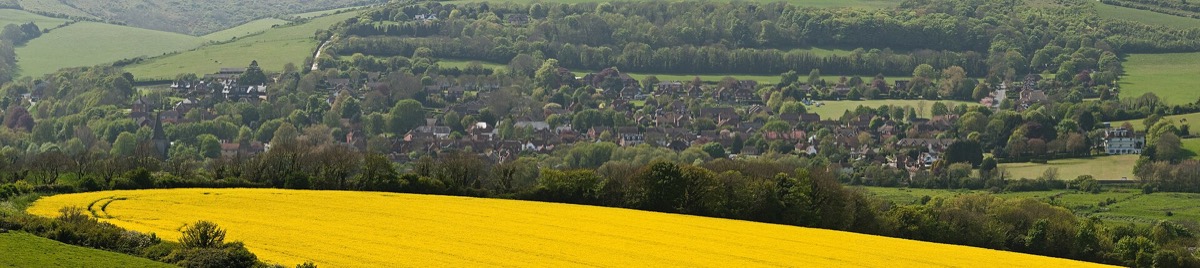
Rye sits on a small sandstone hill above the Romney Marsh, its red roofs and church tower rising out of flat green levels that were once open sea. It is one of the best-preserved medieval towns in England, small enough to walk end to end in twenty minutes and rich enough in history to fill a whole weekend.
Why Rye Is Special
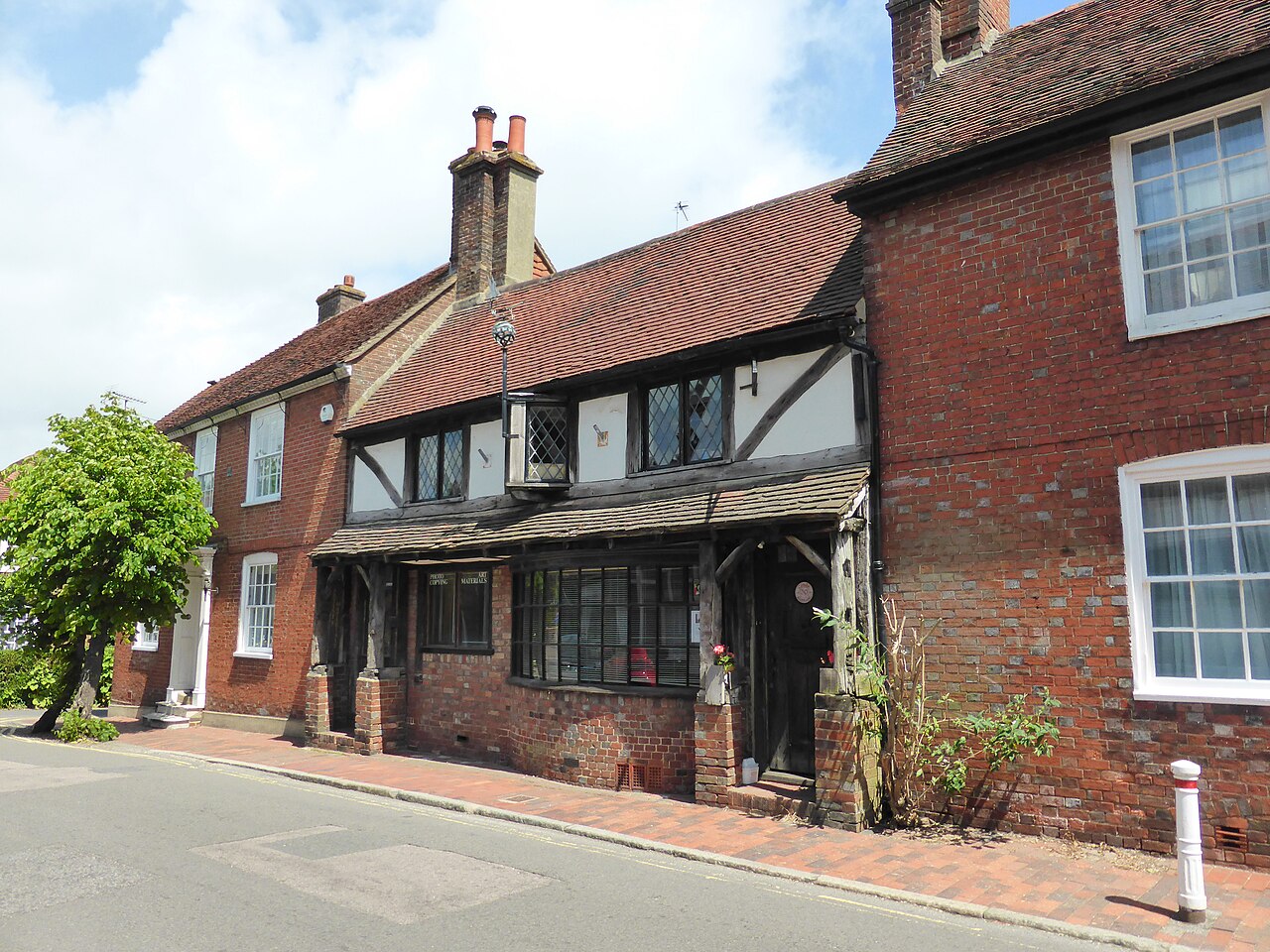
What makes Rye special is how complete it feels. Cobbled lanes climb between timber-framed houses, the old town gate still guards the road in, and around almost every corner there is a view out over the marsh to the sea.
It is also a wonderfully good town for browsing. Independent bookshops, galleries, antiques dealers and interiors shops fill the streets around the High Street and the Strand, and the food scene has grown into one of the best in Sussex.
The History of Rye
Rye's story begins with the sea. In Saxon times it was part of the manor of Rameslie, which King Ethelred gave to the Benedictine abbey of Fécamp in Normandy, and it stayed in Norman hands until 1247. The Domesday Book of 1086 already records 189 households here, a large settlement for its day.
By 1189 Rye had become a limb of the Cinque Ports, the confederation of Channel harbours that supplied ships for the Crown in return for privileges and tax exemptions, and it later became a full member as one of the two "Antient Townes" alongside Winchelsea. Edward I granted the town its charter in 1289.
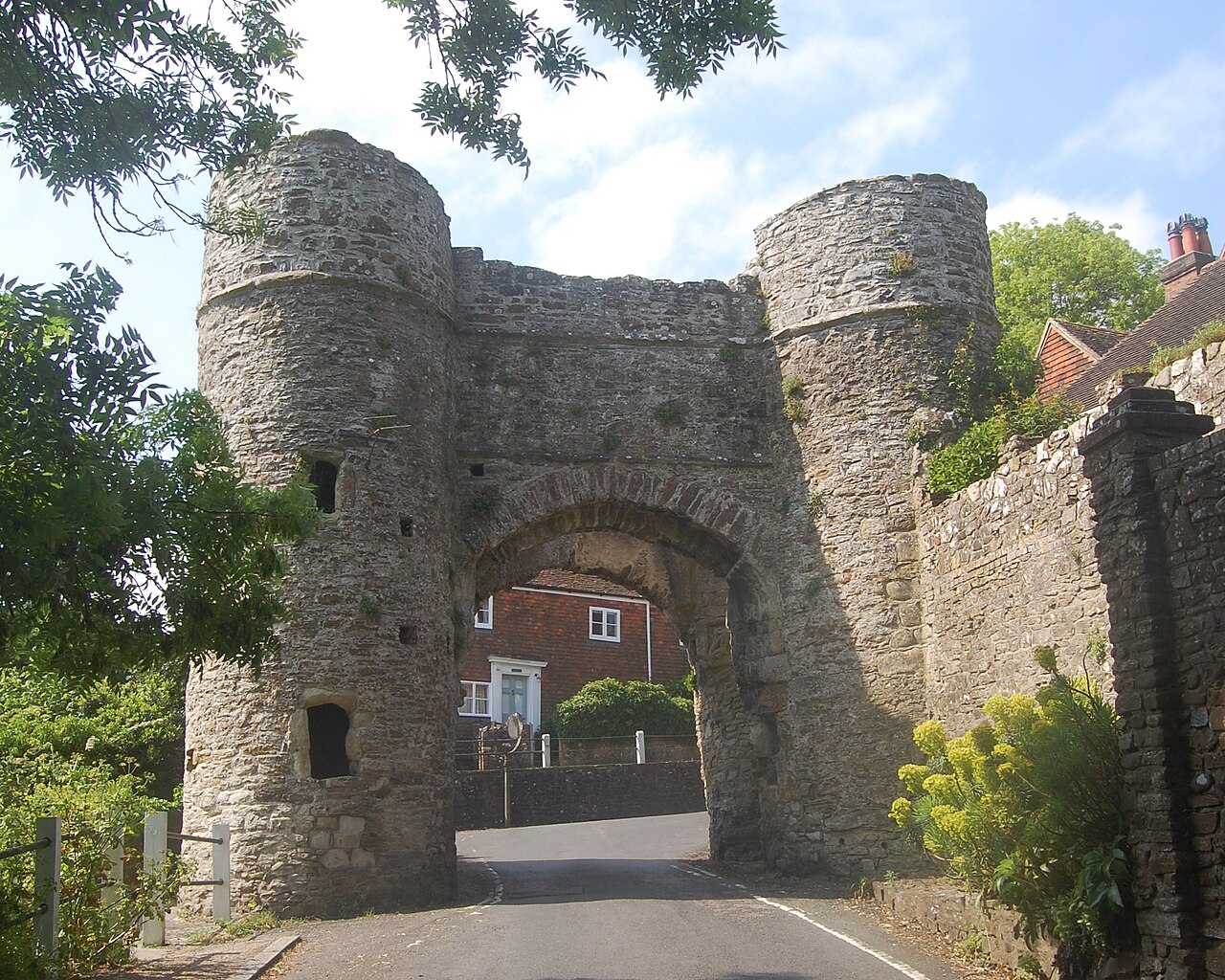
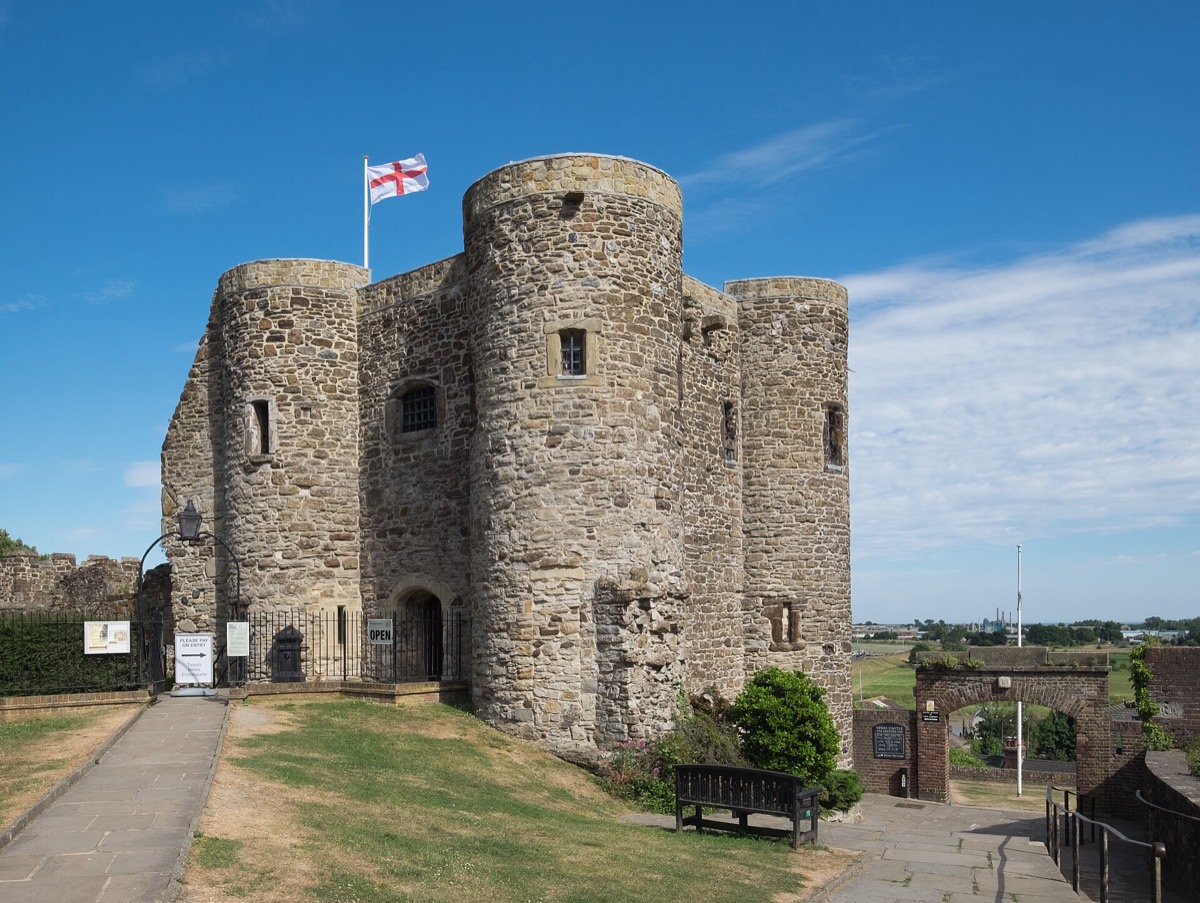
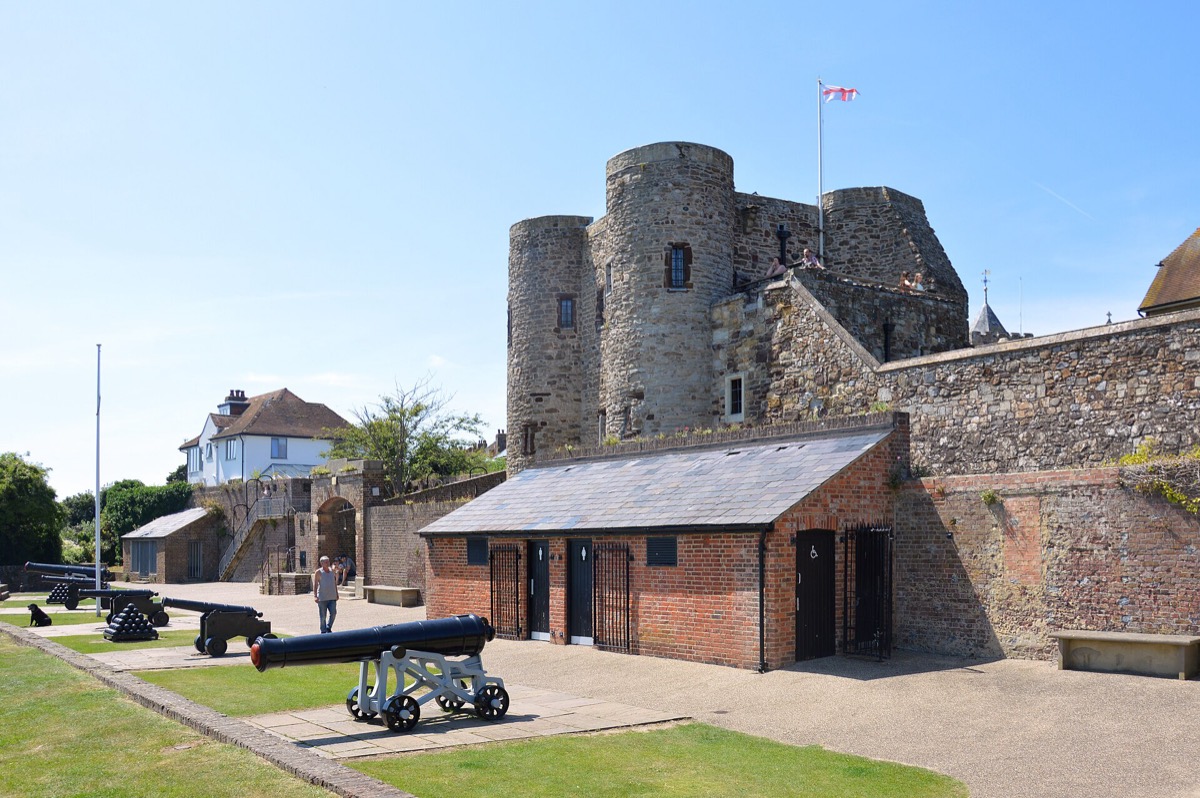
Defence mattered on this exposed coast. The Ypres Tower was built in 1249 as "Baddings Tower" to protect the town from the French and later took the name of its owner, John de Ypres. The Landgate, the only survivor of the town's four fortified entrances, dates from 1329, early in the reign of Edward III.
Then the sea itself changed Rye's fortunes. Violent storms in the 13th century, particularly in 1250 and 1287, altered the course of the River Rother and destroyed Old Winchelsea, and over the following centuries silting and land reclamation pushed the coast steadily away. Today Rye stands about two miles from the Channel, where the Rother, the Tillingham and the Brede meet. An 18th-century attempt to build a new harbour took 63 years and opened in June 1787, only to be abandoned that November.
Smuggling filled the gap. By the end of the 17th century it was widespread across Kent and Sussex, and the notorious Hawkhurst Gang used Rye's ancient inns, the Mermaid and the Olde Bell, which are said to be linked by a secret passage. The Mermaid's cellars date from 1156.
Rye later drew writers. Lamb House, built in 1722 by the wine merchant James Lamb, sheltered King George I in 1726 after his ship was washed ashore at Camber Sands. Henry James lived there from 1897 to 1914, and E. F. Benson, who turned Rye into "Tilling" in his Mapp and Lucia novels, lived there later. The house was given to the National Trust in 1950.
Things to Do in Rye
Start at the Landgate and walk up to the church of St Mary, whose tower gives the best view over the rooftops and the marsh. From there it is a short stroll to the Ypres Tower, now home to Rye Castle Museum, and its gun garden above the river.
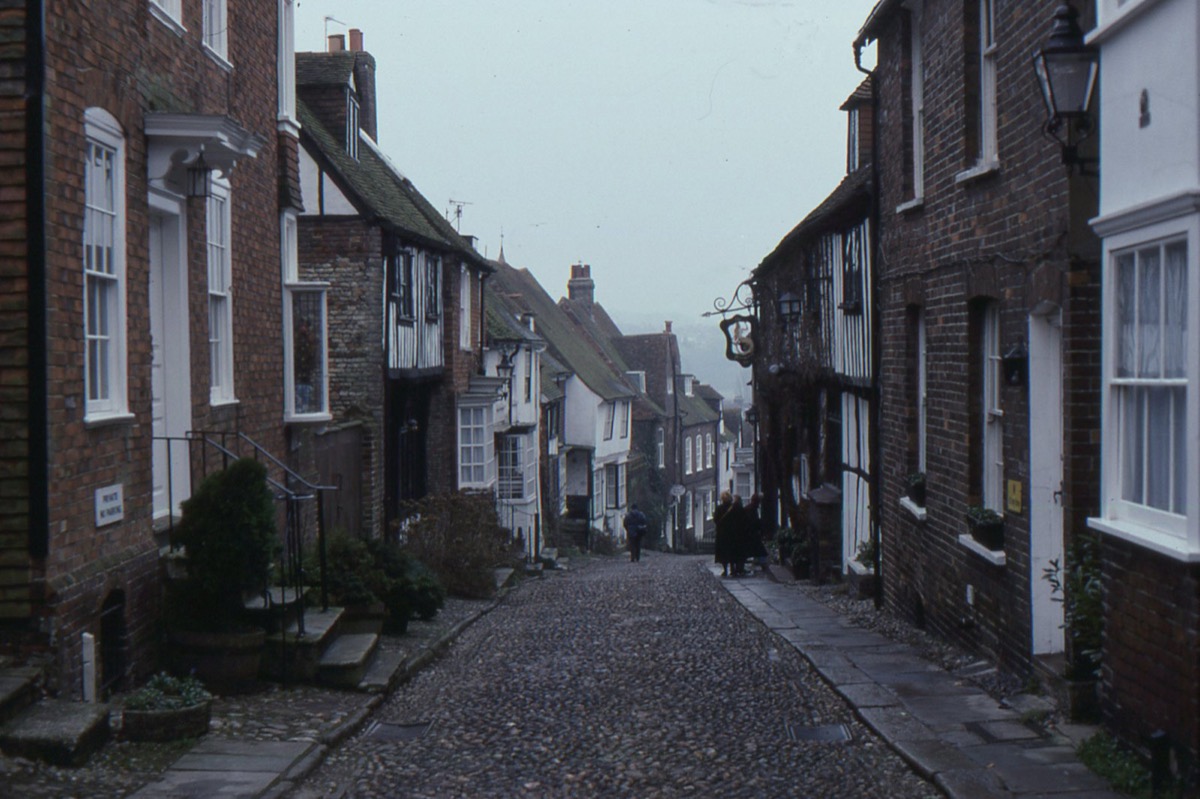
Mermaid Street is the classic Rye picture: steep cobbles, overhanging timbers and the Mermaid Inn halfway down. Church Square, ringed by old houses, is the quietest and loveliest corner of the town. Lamb House and its walled garden are cared for by the National Trust; check opening days before you go.
Down on the Strand, old warehouses now hold antiques, vintage shops and cafés. For antiques, Rye House Antiques on Wish Street is a good first stop, and for interiors, linen and homeware, Rae is one of the town's best shops.
Gardens, Countryside & Antiques near Rye
Gardeners should not leave without visiting Great Dixter at Northiam, Christopher Lloyd's famous house and garden, about eight miles away. Sissinghurst Castle Garden is an easy drive into Kent, and Blossom Home in Tenterden is worth a detour for interiors.
For fresh air, Camber Sands, with its great sweep of beach and dunes, is a few minutes away, and Rye Harbour Nature Reserve is wonderful for birdwatching along the shingle. The High Weald begins just to the north.
Rye Through the Seasons
Spring brings lambs to the Romney Marsh and clear light over the levels. Summer is busy, so arrive early or stay the night to enjoy the streets after the day visitors leave. Autumn is lovely for walking and for the Great Dixter borders at their peak, and in winter the town's inns, with their fires and low beams, come into their own.
Getting to Rye
Rye station, a short walk from the old town, is on the Marshlink line between Ashford International and Hastings.
Rye: Questions & Answers
Why is Rye famous?
Rye is one of the best-preserved medieval towns in England: a former Cinque Port with cobbled streets such as Mermaid Street, the 13th-century Ypres Tower, the Landgate of 1329 and Lamb House, home of Henry James and E. F. Benson.
Is Rye still by the sea?
No. Storms and silting moved the coast away, and Rye now stands about two miles inland, where the Rother, the Tillingham and the Brede meet.
What is near Rye?
Great Dixter at Northiam, Camber Sands, Rye Harbour Nature Reserve and Sissinghurst Castle Garden are all within an easy drive.
Our Advice
Our advice: Park below the town and walk up through the Landgate, climb the church tower for the view, then lose yourself in the lanes. Combine Rye with Great Dixter for a perfect day of history and gardens.
Facts checked October 2026. Sources: Wikipedia: Rye, East Sussex · Wikipedia: Lamb House · nationaltrust.org.uk · ryemuseum.co.uk. Opening times and prices change, so please check before you travel.