Room by Room · Fabrics & Furniture
Soft furnishings: the fabric of a room
Texture, pattern and colour: how to choose curtains, covers and cushions that look beautiful and last.
No room is finished until the fabric arrives. Curtains, cushions, covers and throws are what make a house soft to the touch and warm to the eye. Tara de la Motte on choosing fabric with confidence, and spending wisely.
Soft furnishings are where a room’s personality lives. Walls and floors set the stage, but it is the fall of a curtain, the plump of a cushion and the weight of a throw at the end of the bed that make a house feel like home. Everything begins with the fabric: wool, cotton, linen, velvet or silk, each in a world of colours, textures and patterns.
Texture and weave
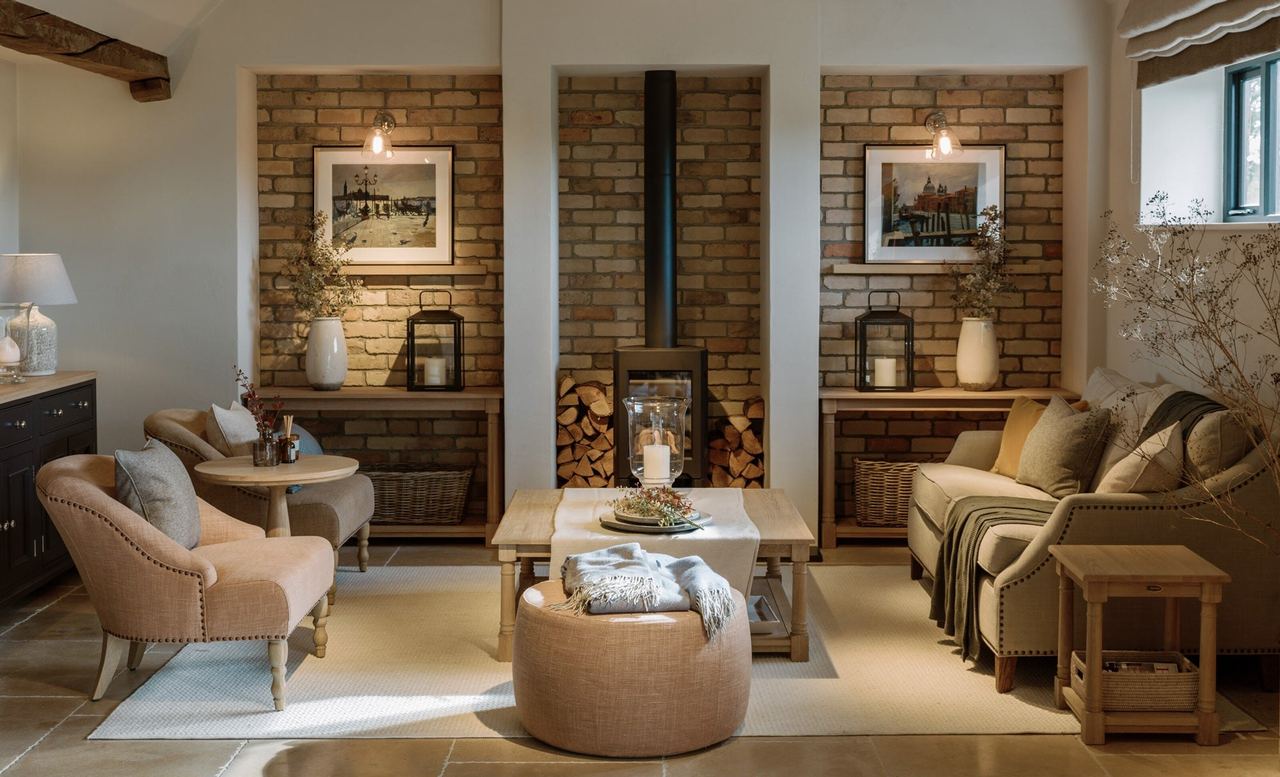
The way a fabric is woven decides how it feels and how it catches the light, and texture adds a dimension that colour alone cannot. Mix them: a nubby linen beside a smooth cotton, a velvet cushion against a wool throw. Tones of a single colour, in several textures, give a room depth and interest without any noise at all.
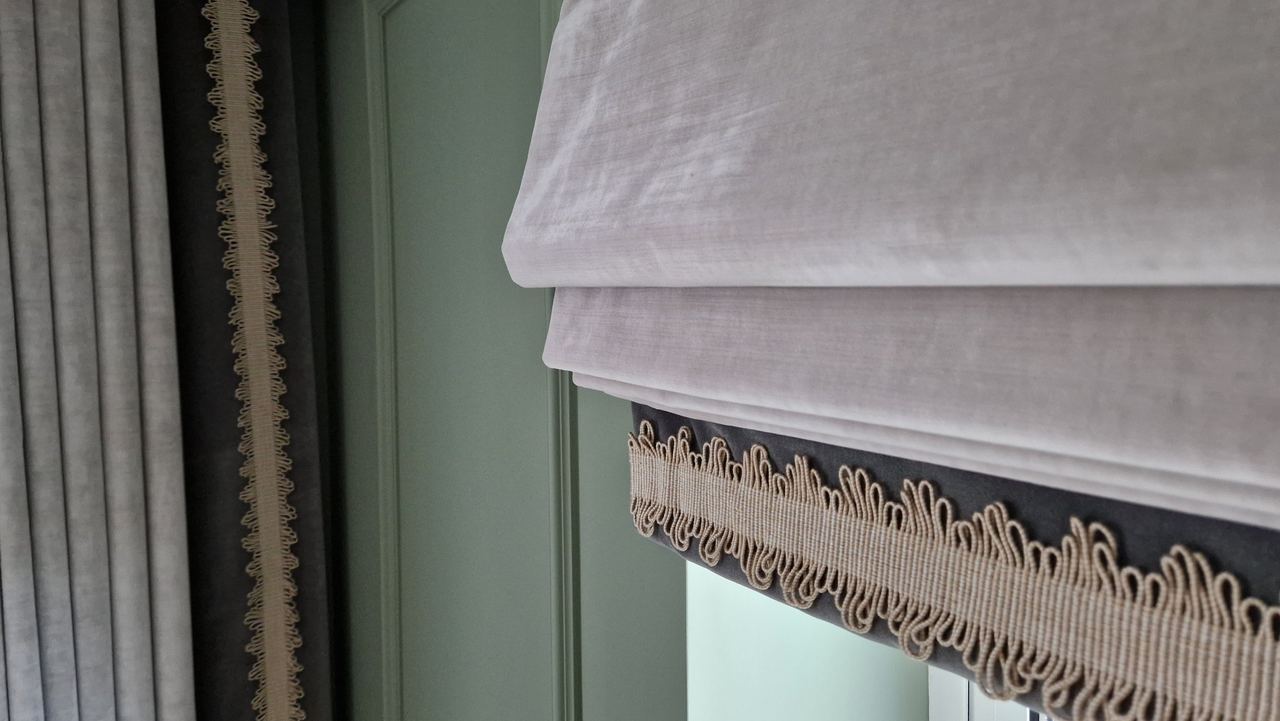
Photo Credit
Image courtesy of © Homecraft InteriorsPattern as the starting point
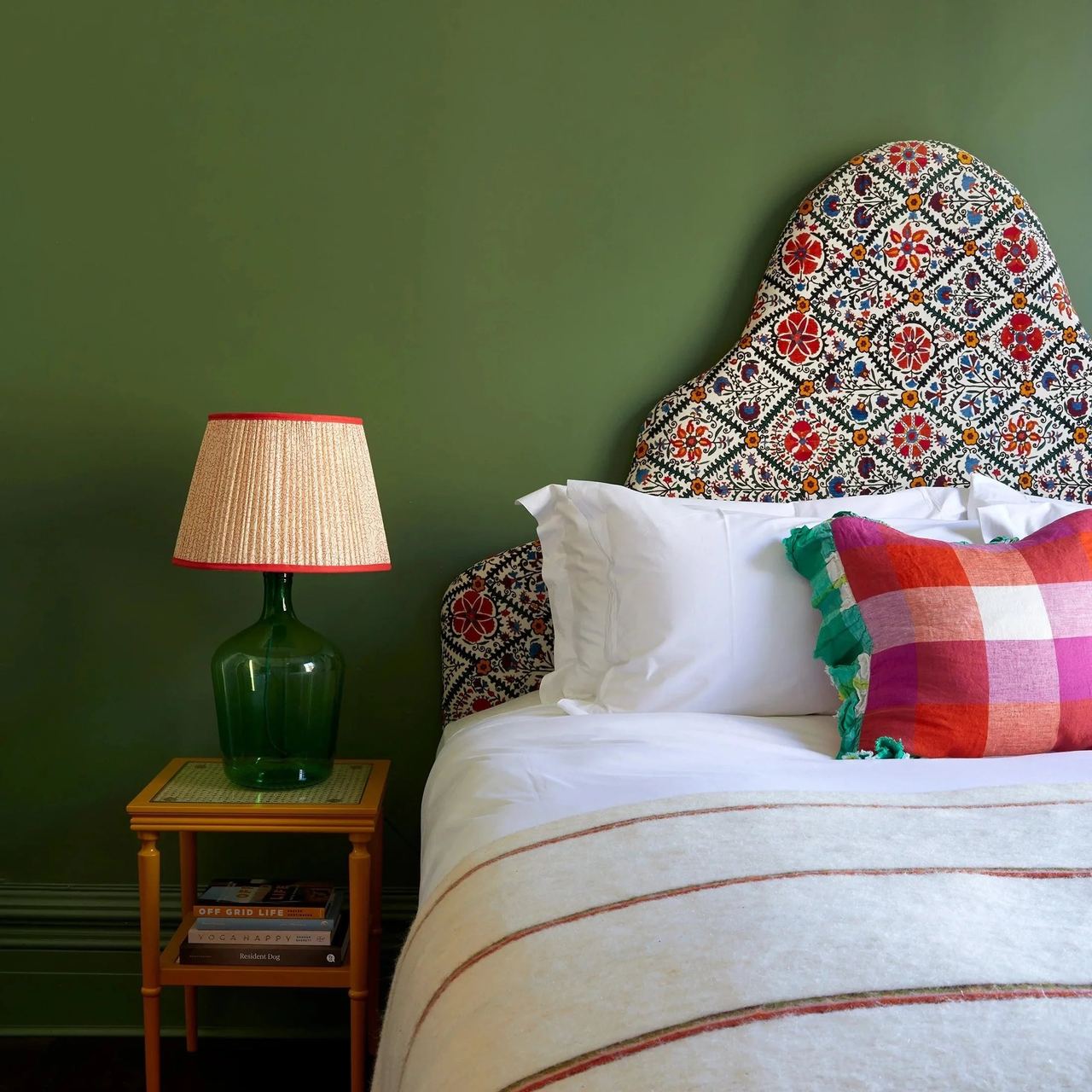
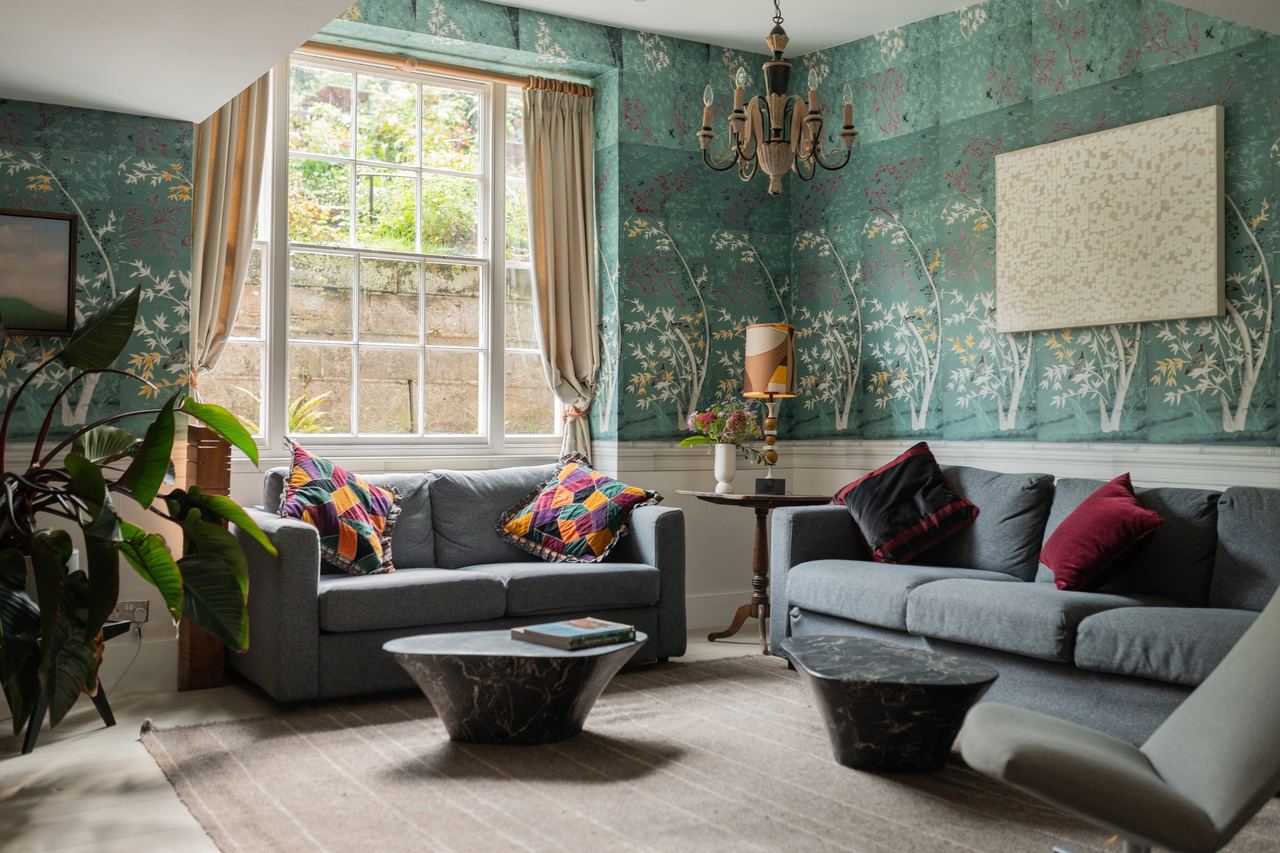
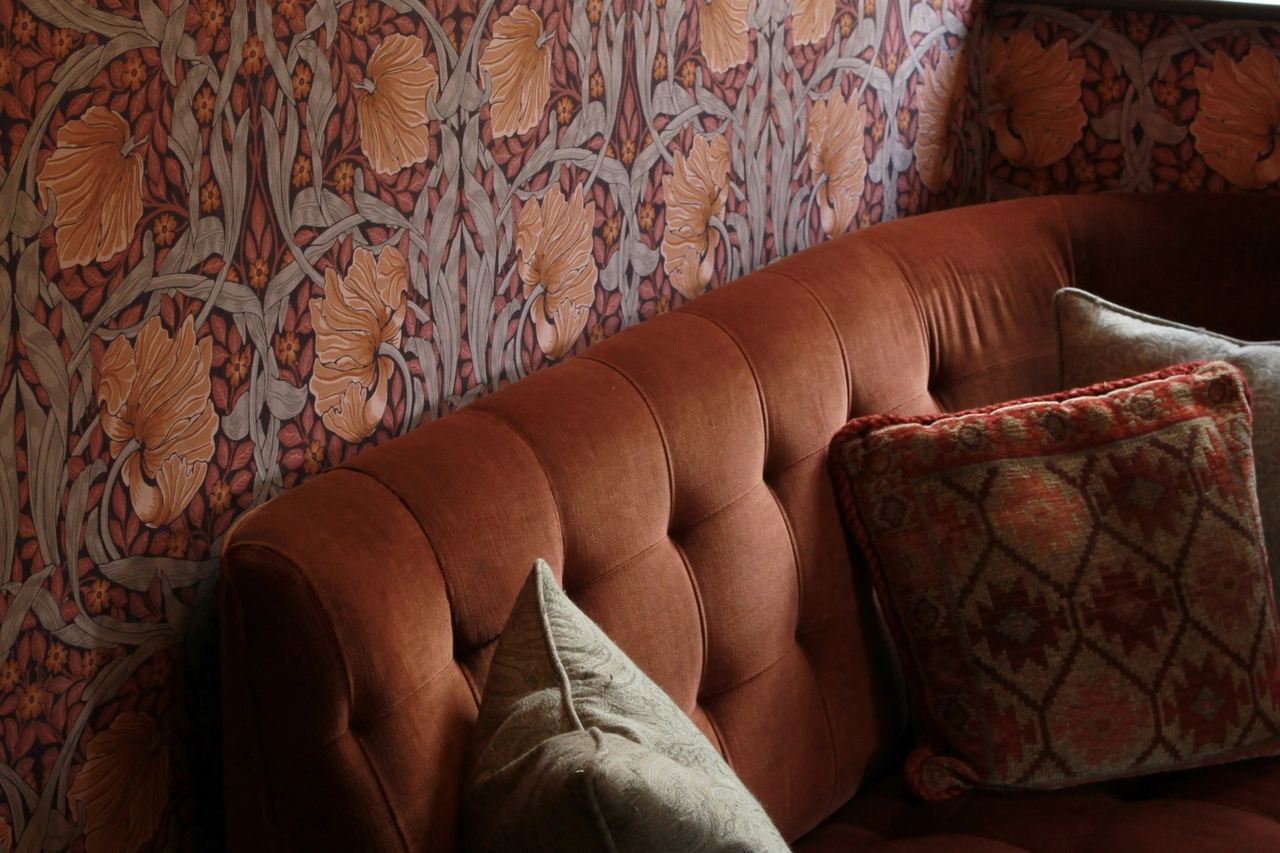
Pattern is either printed onto the cloth or woven into it as it is made, and the choice is enormous: classic designs that have been in production for generations, alongside newer ones that follow the moment. A single much-loved pattern is often the best place to begin a scheme. Pull its colours out for the paint, the plain fabrics and the accessories, and the room will hang together as if it were always meant to.
A single much-loved pattern is often the best place to begin a scheme.
Colour, and where to find it
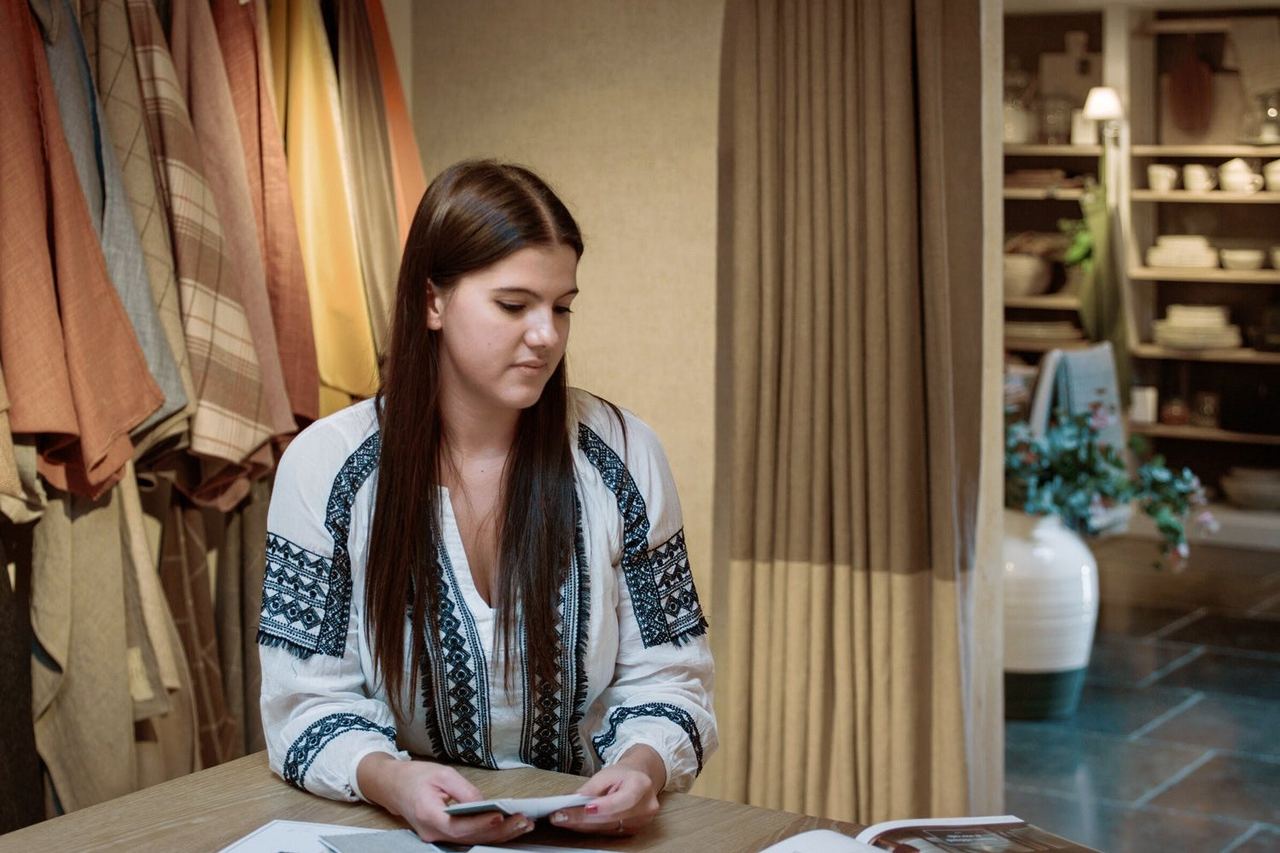
Colour is entirely personal, and interiors have always followed fashion closely. If you need fresh ideas, look at the catwalks and the shop windows: this season’s colours in clothes tend to arrive in cushions and curtains soon after. Build up a collection of samples and swatches, pin them up, and live with them for a week, in daylight and in lamplight, before you commit.
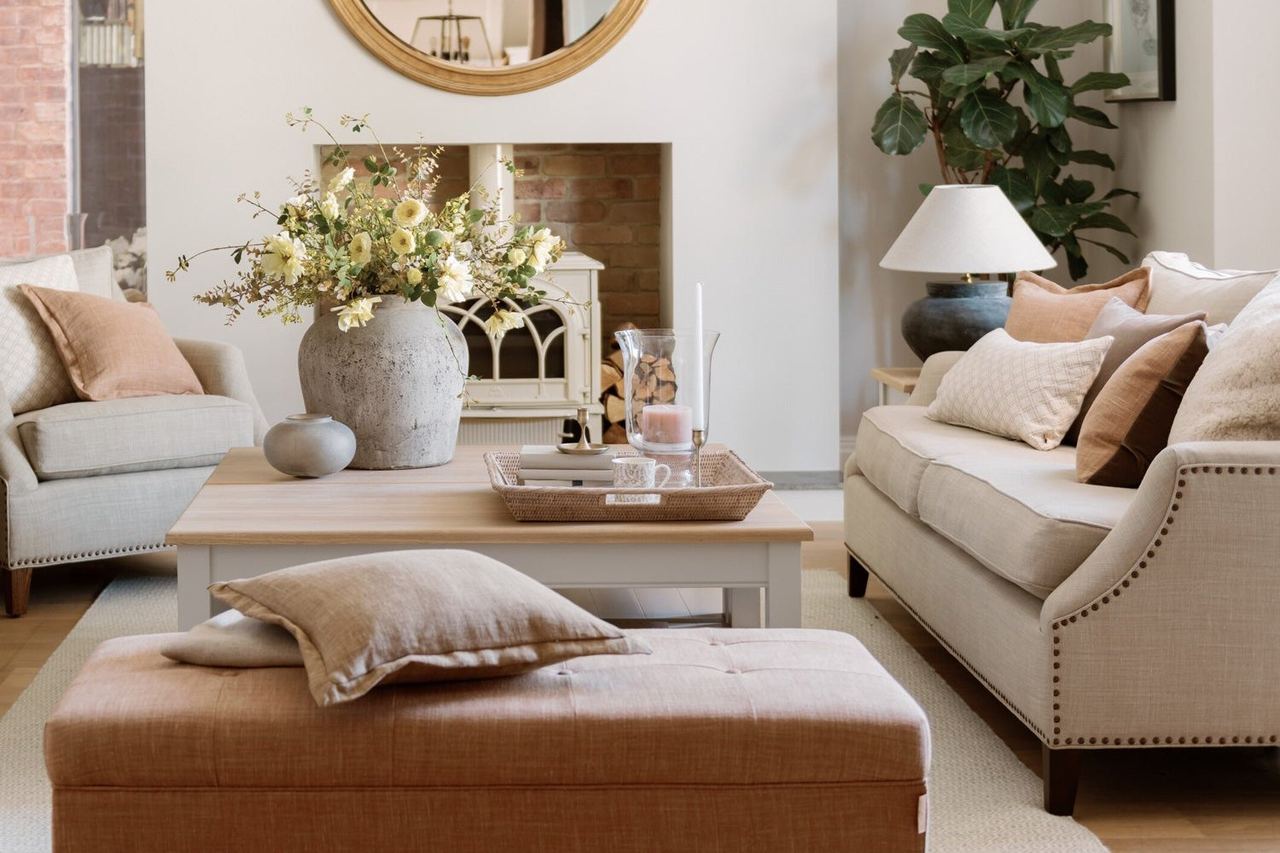
Photo Credit
Image courtesy of © NeptuneSpend on the hard workers
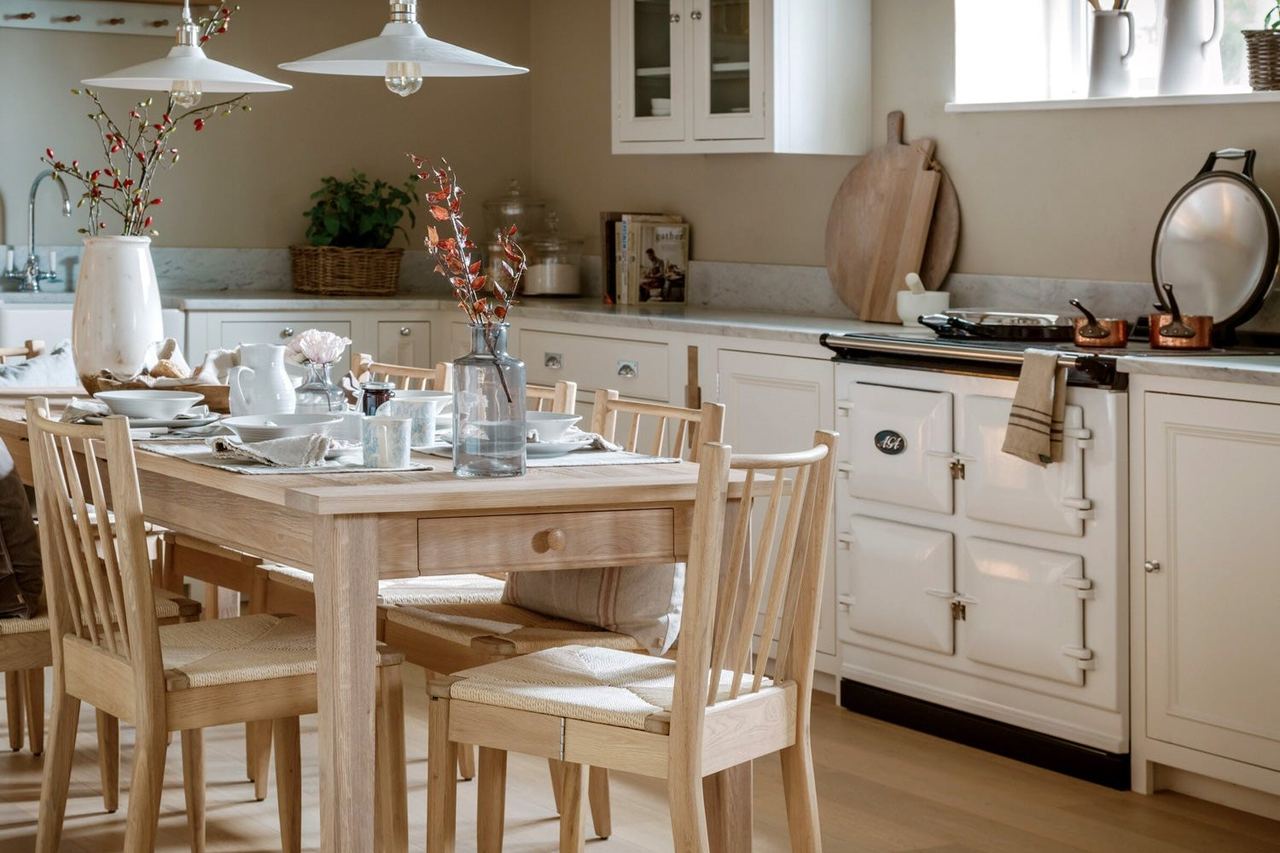
Soft furnishings need to last, so choose with care. Put the best fabric you can afford into the pieces that work hardest: sofa covers, seat pads, curtains and bed covers. For upholstery, ask about the rub count, the Martindale figure that measures how well a fabric stands up to wear; fabrics for everyday domestic seating generally sit around 15,000 to 25,000 rubs, and the family sofa deserves the top of that range or more. In the UK, new upholstered furniture must also meet the furniture fire-safety regulations, so check the label when you buy.
Then indulge
Once the basics are right, have fun with the small things. Cushion covers, piping, braids and trims are where a costly silk or this year’s colour can shine without breaking the budget, and they are easily changed when you tire of them. Before you fall in love, check the care label: a fabric that cannot be washed or cleaned easily has no place on a child’s chair.
It is the fabrics you choose, and the small details you add, that give a home its individual finish. Choose them slowly, and they will reward you for years.
Questions and answers
What is a Martindale rub count?
A measure of how much abrasion an upholstery fabric withstands before it wears; everyday domestic seating generally calls for around 15,000 to 25,000 rubs, and more for a heavily used family sofa.
Where should I spend most on soft furnishings?
On the hardest-working pieces, such as sofa covers, seat pads, curtains and bed covers; save the luxury fabrics and fashion colours for cushions and trims.