Room by Room · Living Rooms
Period style at home: where old meets new
Colour, fabric, furniture, light and pictures: borrowing from the past to make a modern home feel loved and lived in.

Period style is not only for stately homes and museums. Mixing old with new, the grand with the found, it can bring warmth and a sense of history to any house. Tara de la Motte on borrowing from the past, with confidence and on a sensible budget.
It has always interested me how interiors have developed through the centuries, and how we can borrow from those styles to suit the way we live now. The wish to decorate a home with a sense of history has never been stronger, and with the wealth of wallpapers, fabrics and flooring available today it is far less daunting than it sounds. In my own home, the distressed and the recycled share space with the elegant and the fine, and there is something very calming about a room where old and new sit comfortably together.
William Morris believed that a beautiful house was the most important thing art could produce. You do not need a mansion to agree with him.
Colour
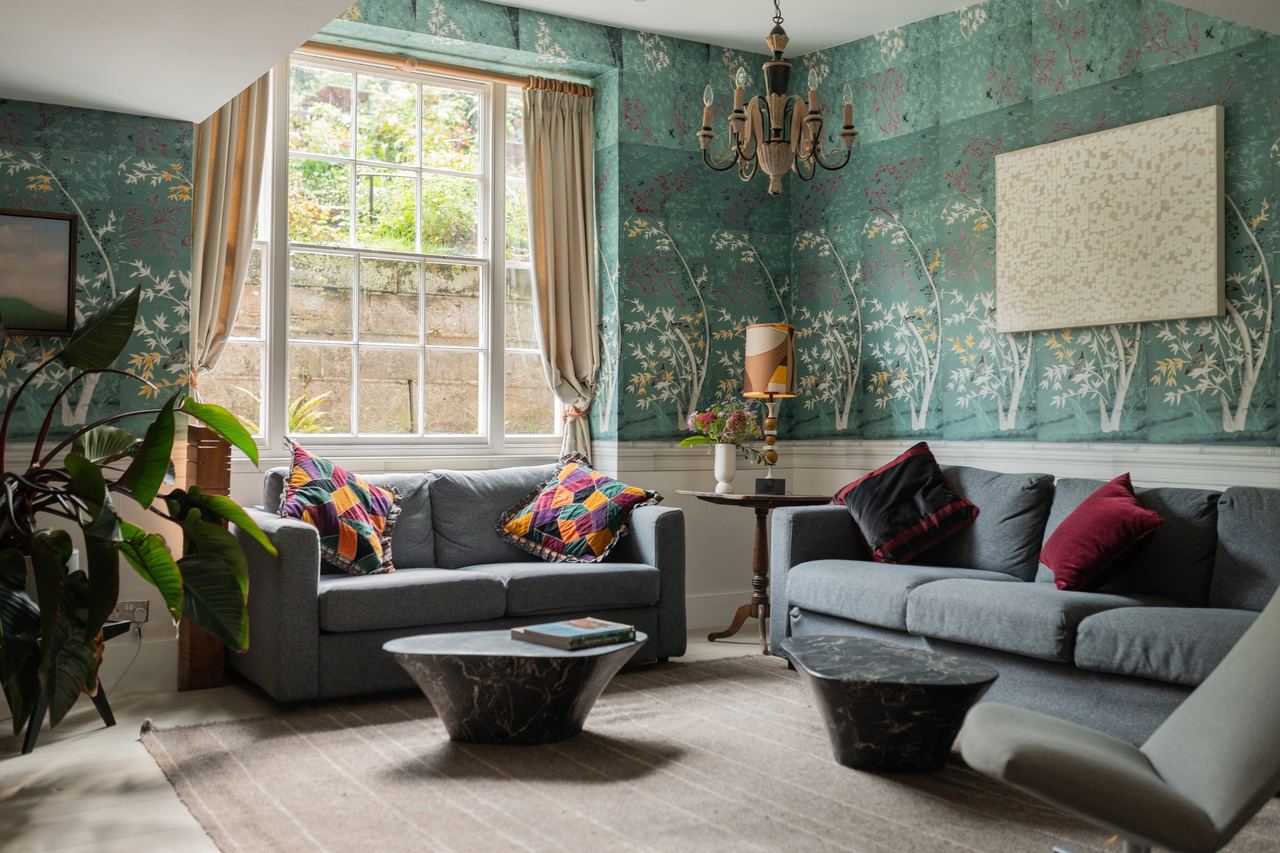
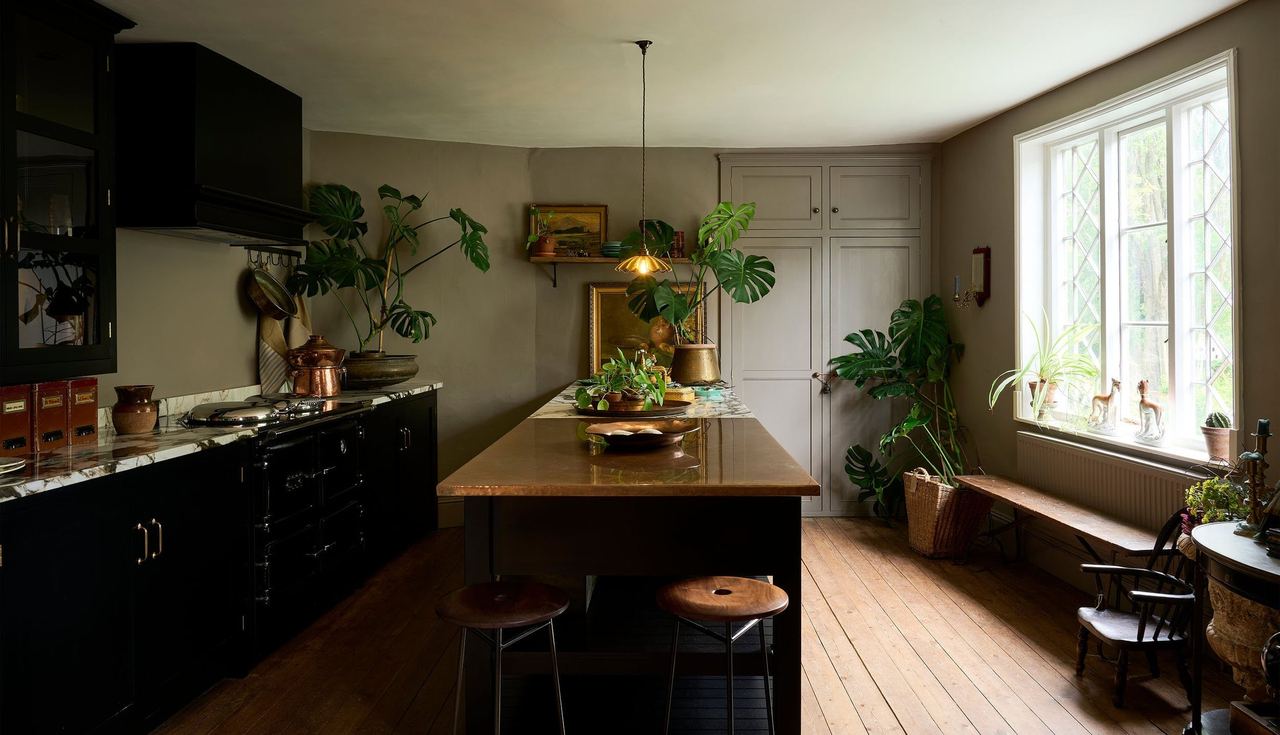
Colour can move a room from one era to another more quickly than anything else. I have a great fondness for the later Georgian palette, with its muted tones: soft grey, pale green, faded pink and the chalky off-white once called “dead” white. The Georgians kept colour for the walls and painted the mouldings white, but in a modern room with dark wooden furniture a white or near-white wall lightens everything. There are dozens of whites to choose from, and several paint makers offer historic ranges; try a few large samples and see which suits your light.

Photo Credit
Photo: HJ Mitchell, CC BY 4.0, via Wikimedia CommonsFabric
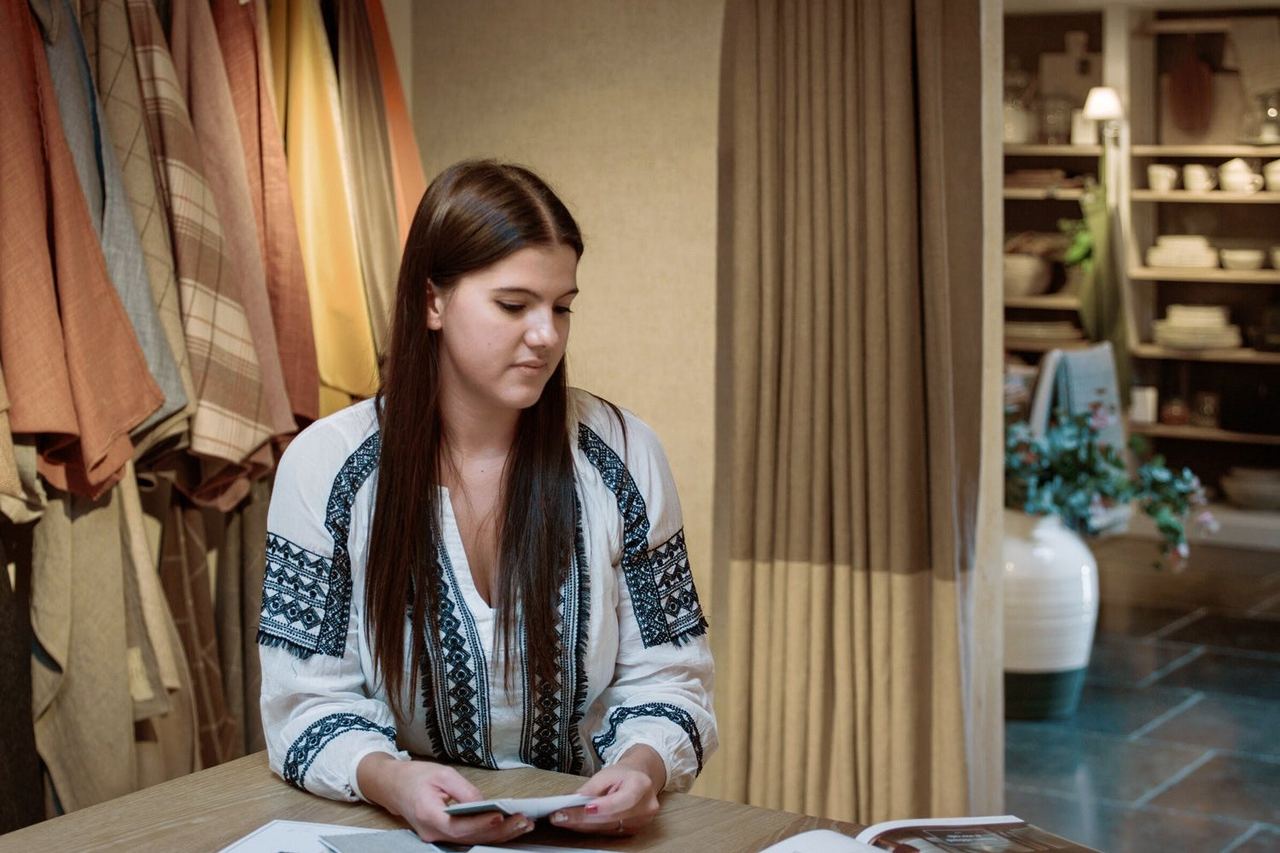
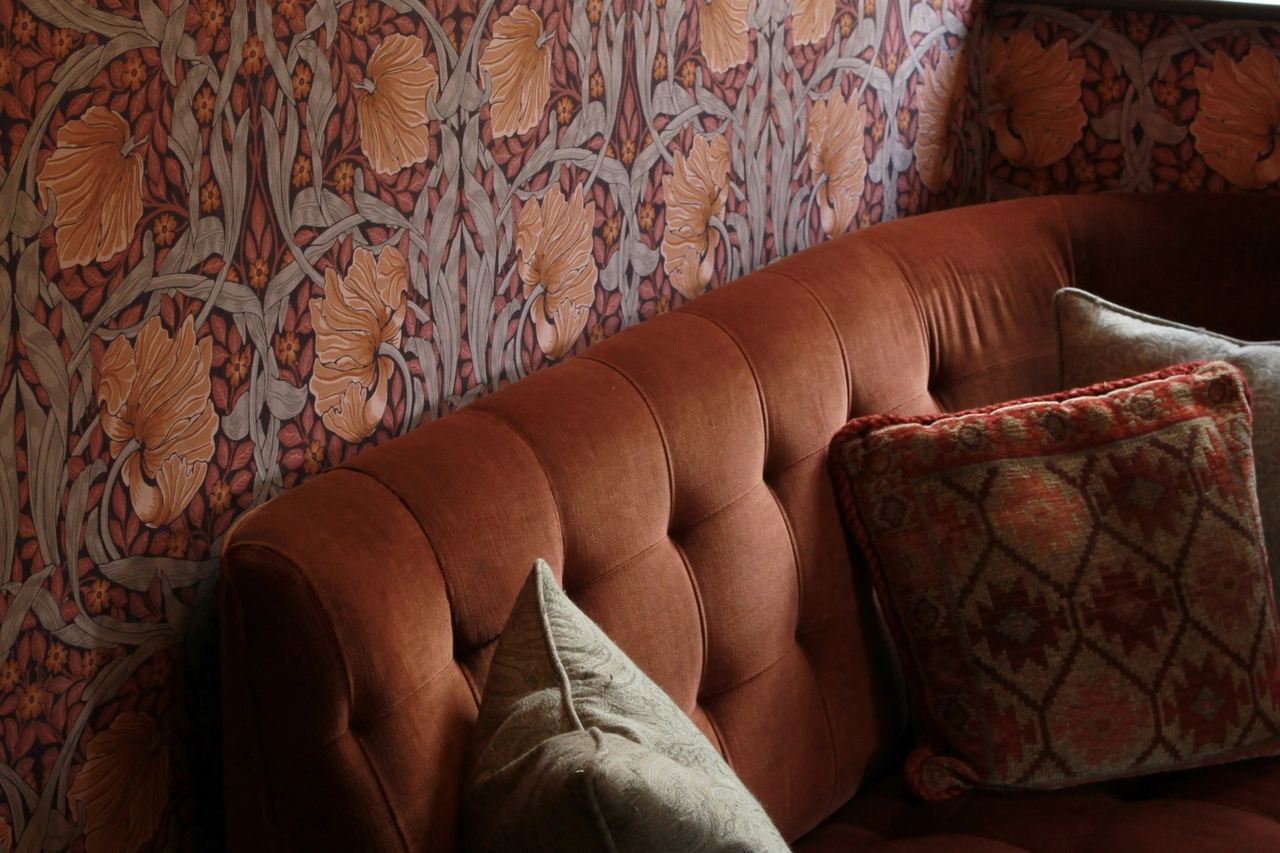
The great furnishing fabrics of the past were sumptuous and very expensive, but the effect can be had for much less today: linen mixes, floor-length muslin and lace. For me, curtains have to be long, elegant and just kissing the floor. I once read of a designer who made curtains from builders’ cotton dust sheets, and I have done the same in my own house; the result is beautiful, I promise. Wash them before you hem them, gently, as they will shrink a little.
Furniture
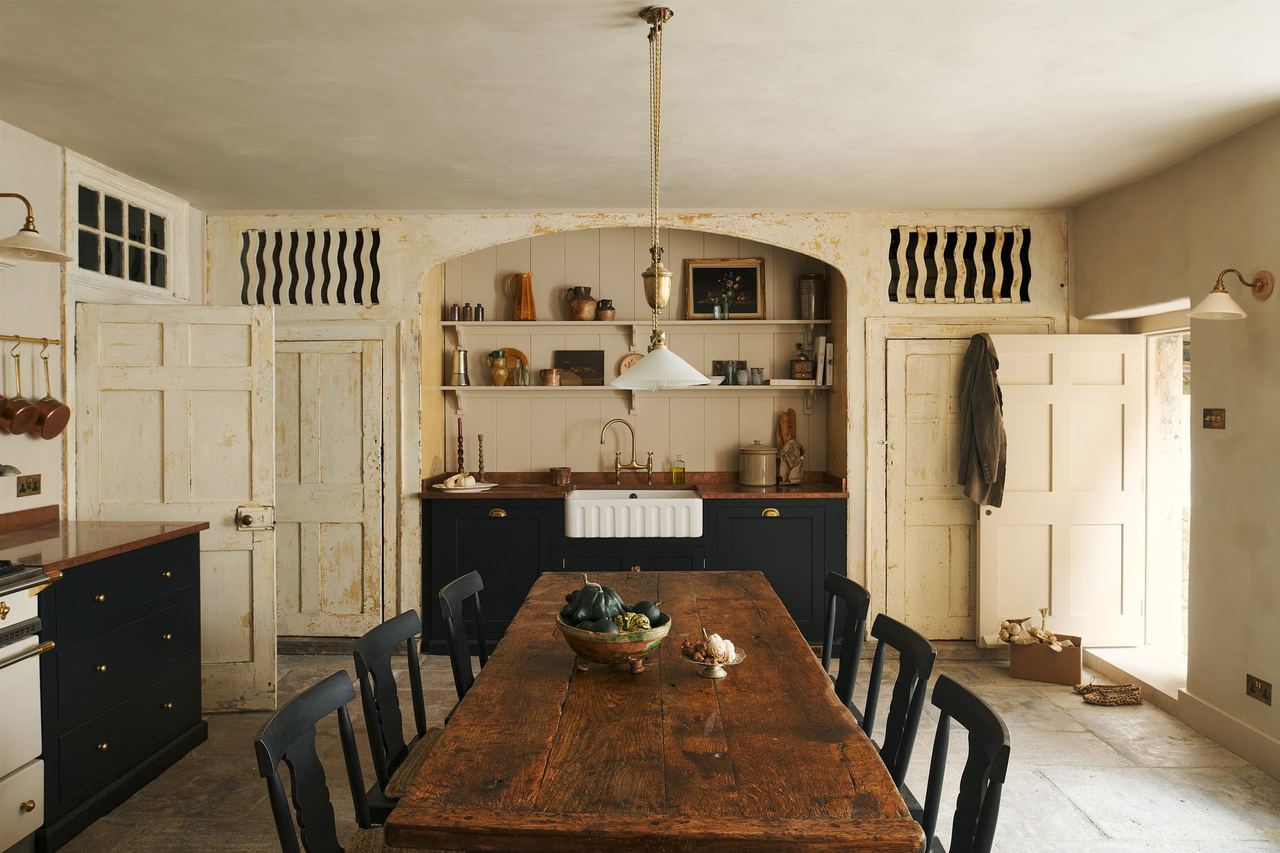
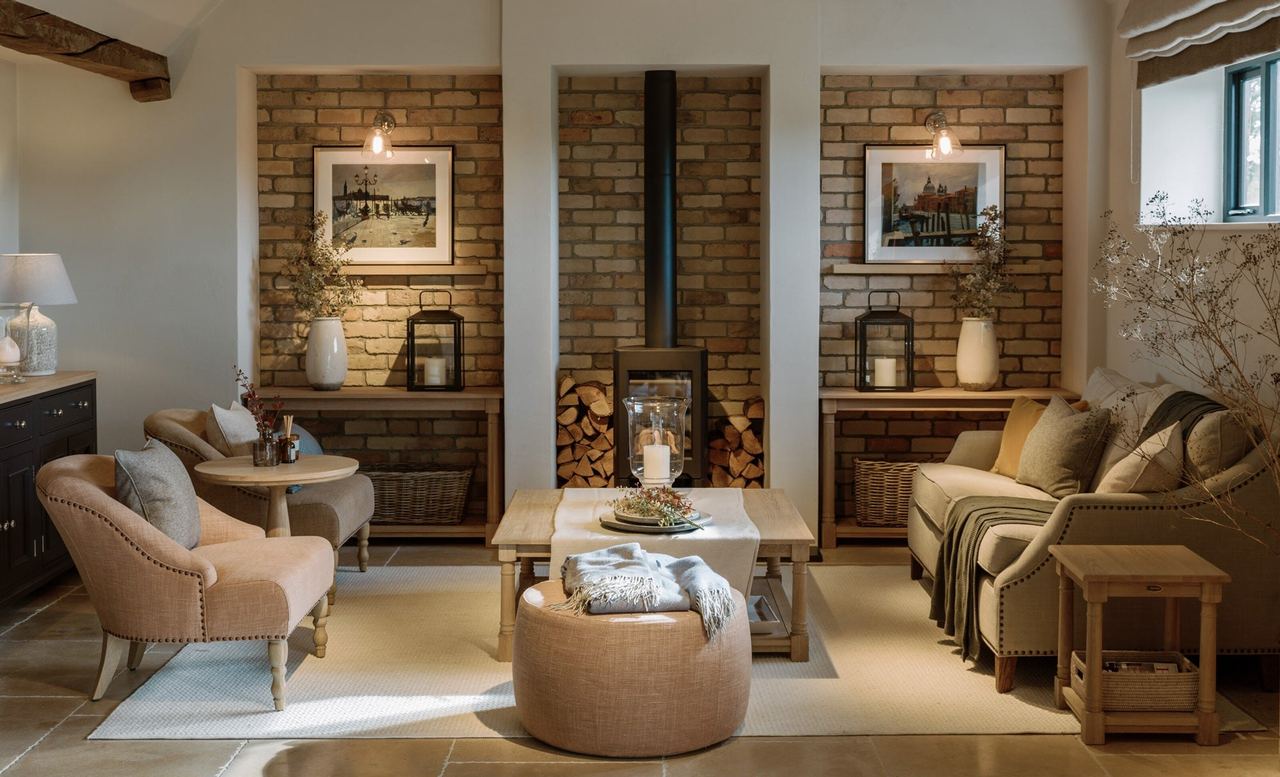
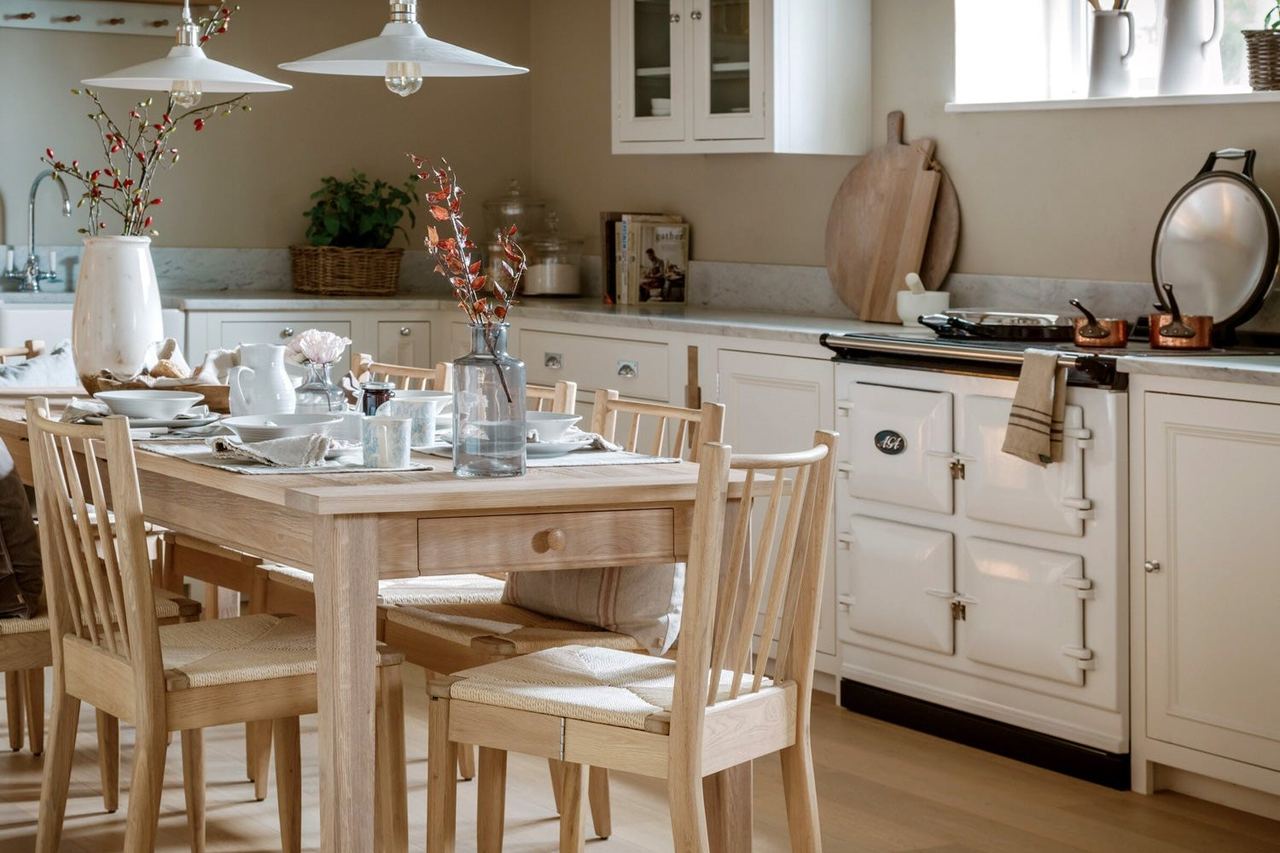
Furniture can be painted or polished, but if you are lucky enough to own a good antique, please do not paint it; it would be a sin. Woods need not match, as long as they complement one another. Charity shops, salerooms and antiques markets are full of handsome old pieces: almost all of my bedroom furniture came second-hand, and I love it for its age, its beauty and its patina.
A home needs time to evolve; the finishing touches cannot be decided in advance.
Lighting
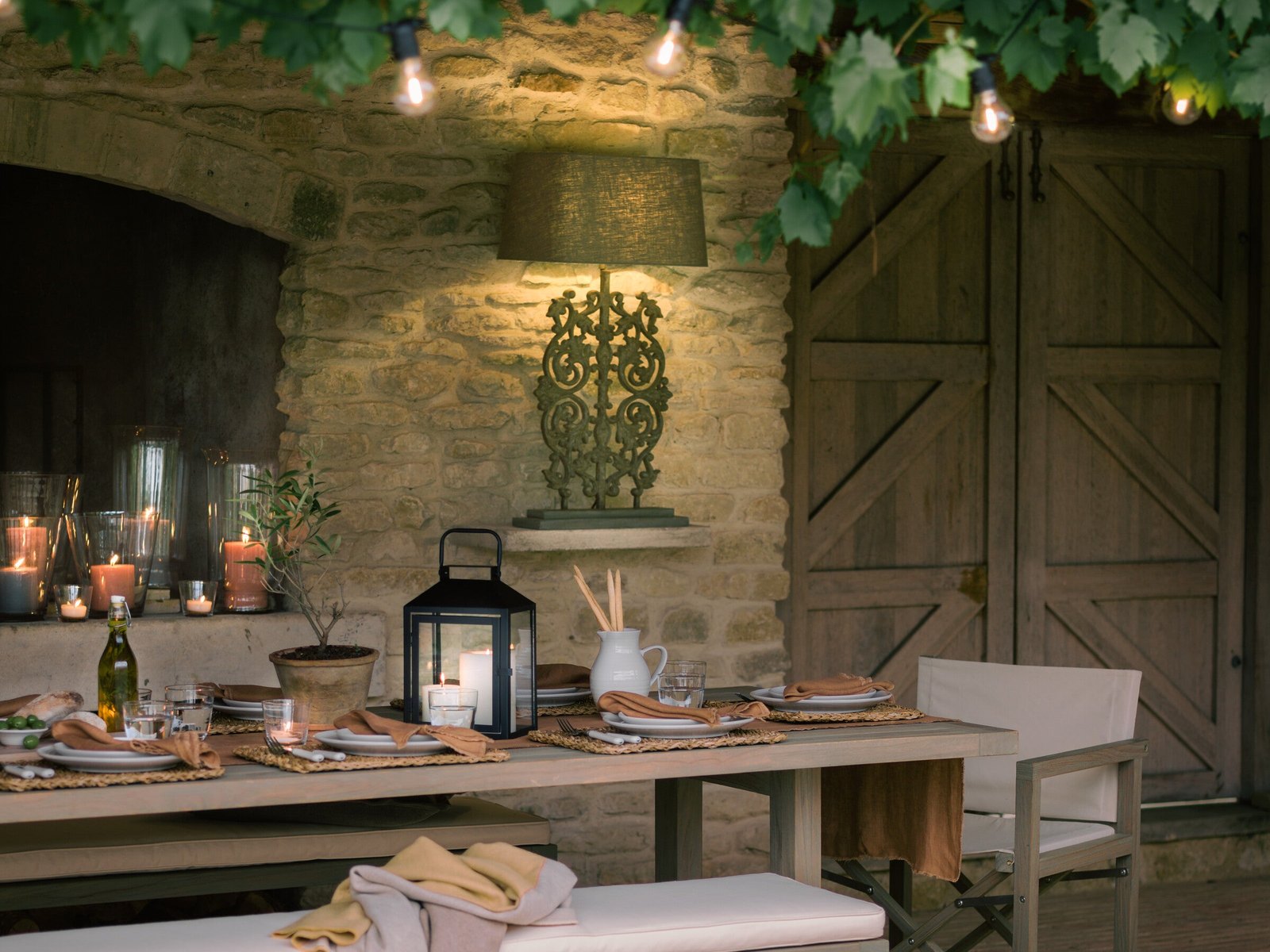
Nothing evokes a period feel like candlelight, but we cannot live by candles alone, so for me the crowning glory of any room is a graceful chandelier. It looks just as good in a modern flat as in a period house, and a single one can lift a room that has little else in it. Good reproductions of French-style chandeliers cost a fraction of an original, so it pays to look around.

Photo Credit
Photo: HJ Mitchell, CC BY 4.0, via Wikimedia CommonsPictures
No period room is complete without pictures; they are what make a room feel lived in. Art need not be costly. Browse second-hand shops and car boot sales, and visit local artists: Brighton’s Artists Open Houses each May is a joy for collectors. If you are starting a collection, it helps to follow a theme, perhaps still lifes for the kitchen and portraits for the sitting room, but there is no right or wrong. Simply go with what you love.
Accessories, and the slow art of a home
Many minimalist spaces lack soul; they feel more like a hotel than a home. Accessories bring a period room to life. Mismatched china and old silver are perfectly at home together, and I am an avid collector of both. Use your best china, silver and linen every day, not just on high days. Collections like these are gathered over years, and that is the point: a house that comes together slowly will always feel loved, never too formal or perfect.
For inspiration close to home, visit the Royal Pavilion and Preston Manor in Brighton, or Petworth House in West Sussex, and take your notebook.
Questions and answers
How can I add period style to a modern home?
Use a muted historic paint palette, long natural-fabric curtains, a mix of antique and second-hand furniture, a chandelier, pictures and collected china or silver.
Should I paint antique furniture?
Not a good antique: it destroys the patina and the value. Paint plainer second-hand pieces instead, and let polished woods complement one another rather than match.