Into the Home · In the Kitchen
Kapruka: the Coconut Palm, Sri Lanka’s Tree of Life
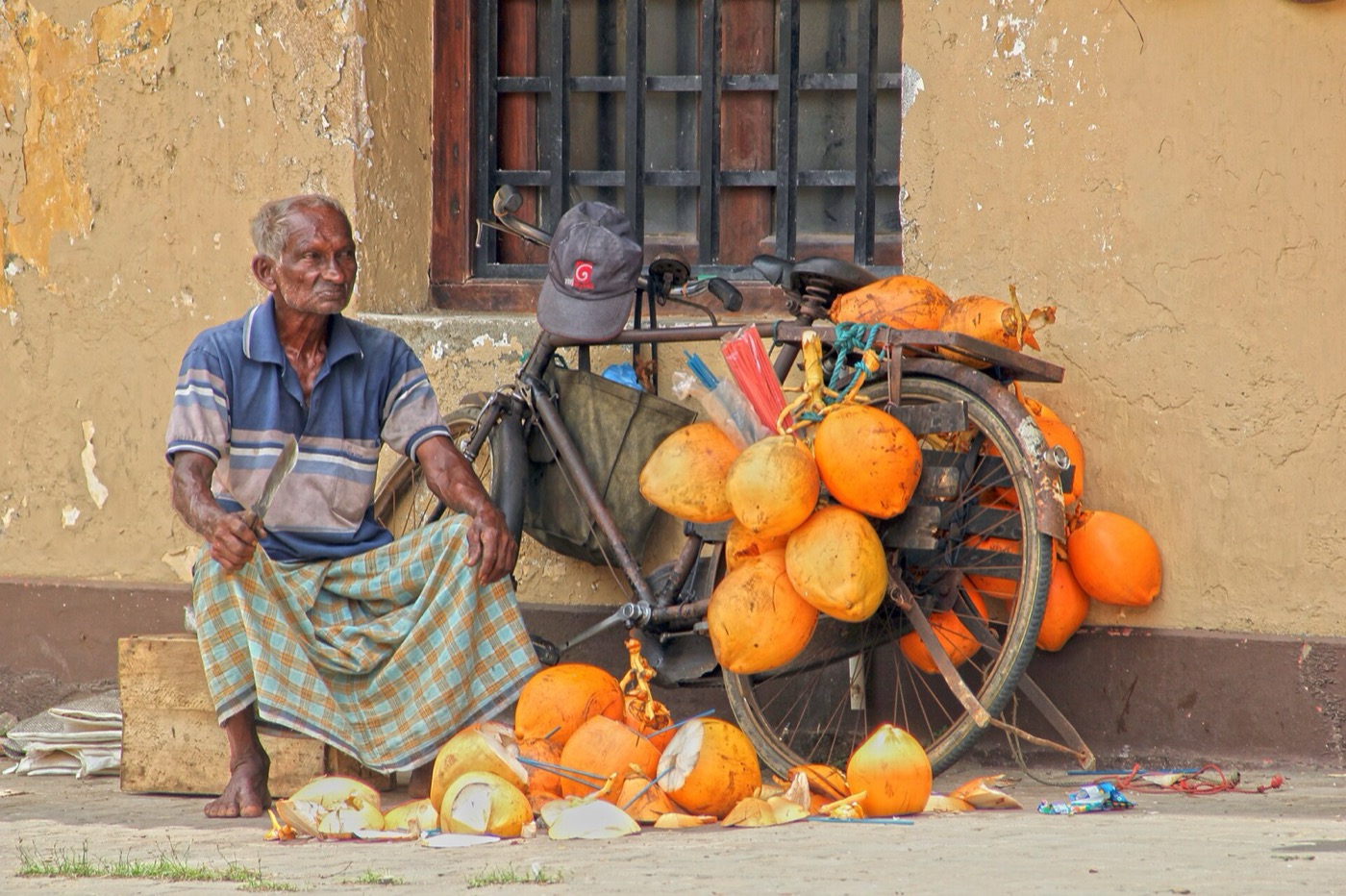
Photo credit
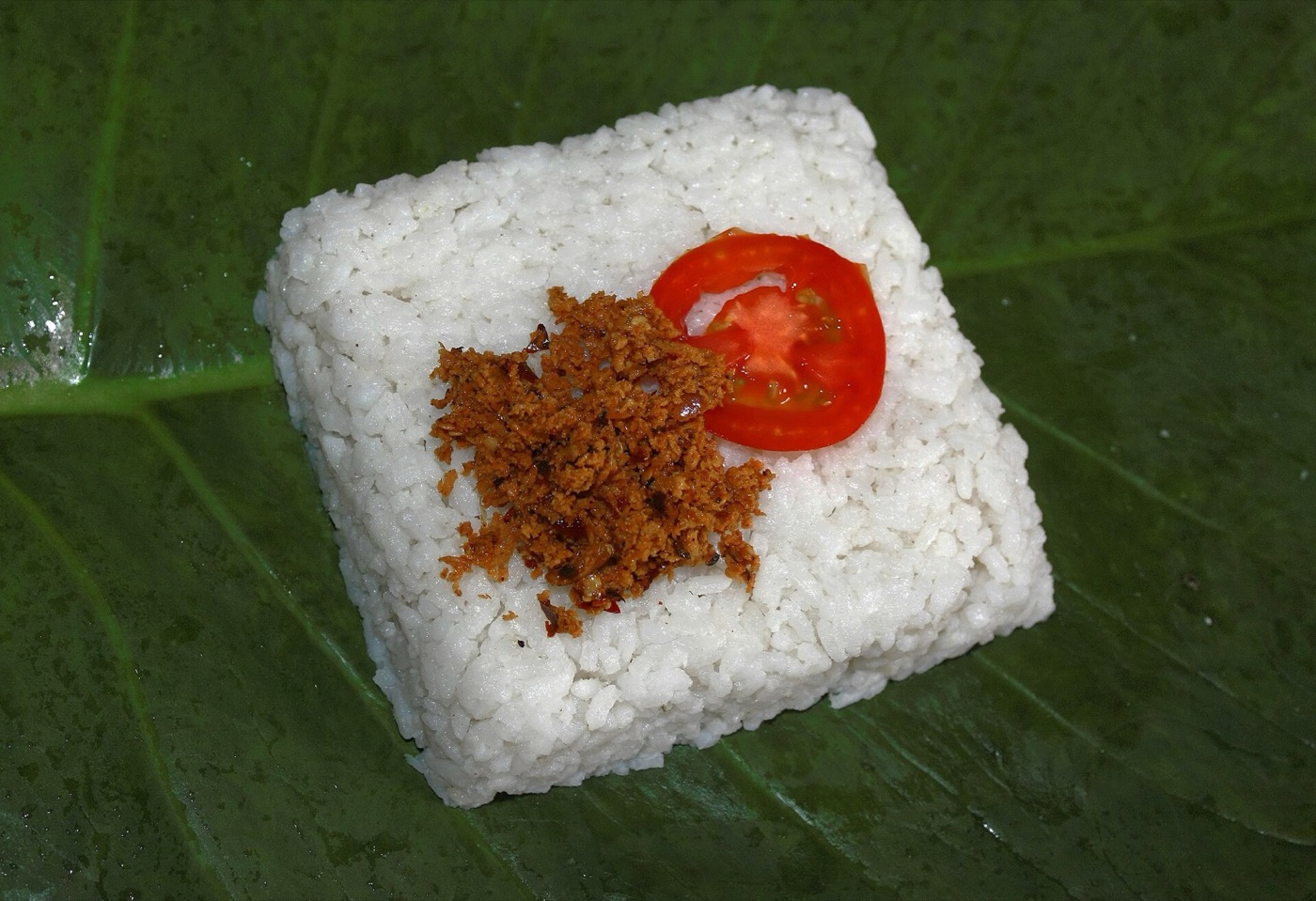
King coconut seller, Galle Fort: Yumeshan Lakshitha, CC BY-SA 4.0, via Wikimedia Commons · Kiribath: AntanO, CC BY-SA 4.0, via Wikimedia CommonsAs editor of the ULTIMATE Sri Lanka guide, I have come to admire one tree above all others on the island. Sri Lankans call the coconut palm kapruka, after the wish-granting tree of the old stories of South Asia, and it is about as close to the legend as botany has managed. Stand beneath one at noon and its fronds throw a lace of shadow across the sand, each leaflet stirring in a breeze you can barely feel. It feeds, shelters, lights and clothes a household, and asks in return only sun, rain and a little patience: nature, as ever, the most generous of designers.
A tree that grants every wish
The palm leans over every beach on the island, but its heartland lies inland, in the Coconut Triangle of Kurunegala, Puttalam and Gampaha, north of Colombo, where tall palms run to the horizon in neat rows with cattle grazing beneath them. The island has studied the tree for almost a century: the Coconut Research Institute was founded in 1929 at Bandirippuwa Estate, Lunuwila. Sri Lanka grows coconuts by the billion, and most of them never leave the island. They are eaten at home, one grated bowlful at a time.
In the kitchen
A Sri Lankan day rarely passes without coconut, and most of it begins with the scrape of a hiramanaya, the grater with a serrated metal head, against the white flesh of a split nut. Freshly grated, it becomes pol sambol, red with chilli and sharp with lime and red onion; mallung, shredded greens tossed with coconut in a hot pan; and pol roti, the coconut flatbread of a hurried breakfast.
Squeeze the grated flesh with water and it gives coconut milk, thick and rich from the first pressing and thinner from the second. It is the velvet in a curry and the gloss on parippu, the everyday lentils. Cook rice in it and you have kiribath, served in neat diamonds at every celebration; set it with jaggery, eggs and spices and you have watalappan, the custard the Malay community brought to the island’s tables. It is a lesson every good cook knows: one ingredient, used thoughtfully, can carry a whole table.
The king coconut
The island’s own variety is the thambili, the king coconut, its shell a startling, burnished orange. It is grown for its water: sweet at first, then faintly salty, and gloriously cold when the vendor keeps the nuts in the shade. He lops off the top with three strokes of a knife and pushes in a straw, and when you have finished he splits the nut so you can scoop out the soft, translucent jelly with a sliver of the husk. At church feasts and village festivals, bunches hang from bamboo gateways like orange lanterns: decoration at its most natural.
From the flower: treacle, toddy and arrack
High above the plantations, the toddy tappers walk on ropes strung between the crowns of neighbouring palms, so that they climb once and tap a whole row. They slice the tip of the unopened flower and tie a pot beneath it to catch the sap. Boiled down slowly, the sap thickens into golden coconut treacle, poured over buffalo curd in the south, or sets into blocks of jaggery. Left to itself it ferments into toddy; distilled, it becomes arrack, the island’s own spirit; fermented further, it turns to coconut vinegar.
For the home and the garden
What I admire most, as someone who styles homes and gardens, is that nothing on the palm is wasted, which is craftsmanship in its truest and most sustainable sense. The thick husk is soaked and beaten until it surrenders its fibre, coir: honey-brown, coarse to the touch and quite unbothered by salt water, spun into rope and woven into doormats and brushes. The dust left over, coco peat, is pressed into bricks and sold to gardeners around the world as a growing medium, so many of us have a little of Sri Lanka in the potting shed without knowing it.
The hard shell is carved into the pol katu handa, the coconut-shell ladle found in every kitchen, and into bowls, buttons and jewellery. The fronds are woven into cadjan, the overlapping mats that roof village houses and beach cabanas and keep them cool, and the stiff midribs of the leaflets are bound into the ekel broom, the long besom you hear sweeping courtyards across the country at dawn. Even a palm that has stopped bearing gives its dense, speckled trunk for rafters and furniture.
It is a perfect example of something I return to again and again at home: natural materials, honestly used, never go out of style.
For my own memories of the island, of mangoes picked from the trees and long afternoons on the veranda, read my June letter.
Read the full story, with more photographs and the island’s traditions, on the ULTIMATE Sri Lanka guide.