Garden & Home Directory · The Guide
Britain's Love Affair with Garden Centres: History, Horticulture & the Best Days Out
Few things are as British as a Saturday morning at the garden centre: a slow wander between the benches of perennials, a trolley that fills up faster than planned, and coffee and cake before the drive home. What began in the 1950s as a new way for nurseries to sell plants has grown into one of the country's favourite days out, and the best garden centres are still family businesses with deep roots in British horticulture.
This guide tells the story of how the garden centre was born, how it became a destination, and how it fits into Britain's long love of plants, from the RHS gardens to the great plant hunters. Then we share the garden year and our tips for getting the best from a visit, with links throughout to the garden centres we have checked in every region.
How the Garden Centre Was Born
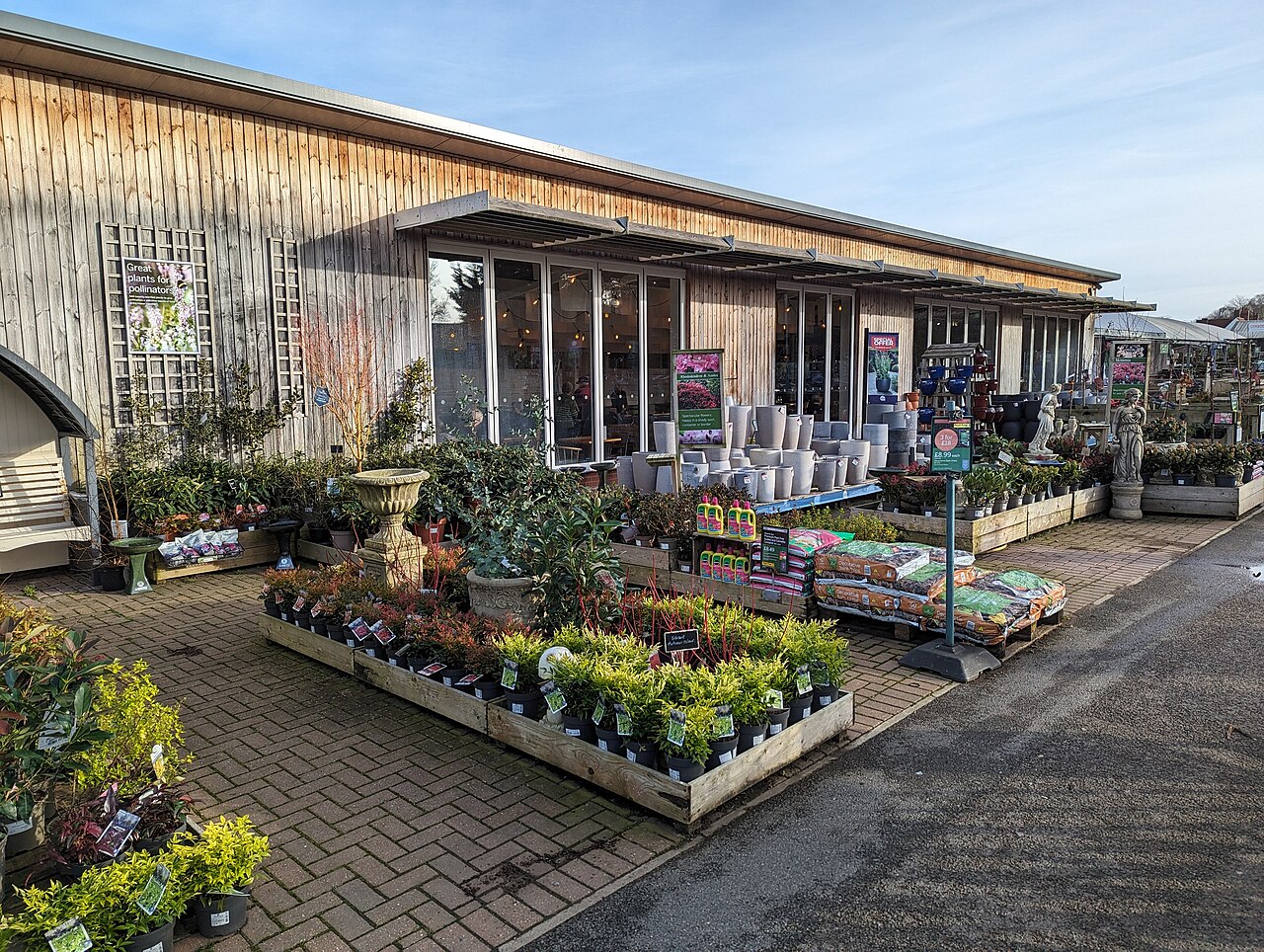
For most of the 20th century, buying plants in Britain meant a nursery and a calendar. Trees, shrubs and roses were grown in the open field and lifted only while they were dormant, roughly from October to March, then wrapped and sent out or collected bare-root. For nurseries, that meant most of the year's income arrived in a few winter months.
The change came from North America, where nurseries had been growing plants in containers for decades. Edward Stewart of the Stewarts nursery in Dorset saw the idea at work on a trip across the Atlantic, and in 1955, by the family's account, he turned the offices, dispatch area and potting sheds of the nursery at Ferndown into what is believed to be Britain's first garden centre; the Dorset History Centre, which holds the company's archive, describes it the same way. Because a plant grown in a pot keeps its roots undisturbed, it can be planted in any month of the year, and suddenly you could buy a shrub in flower in June and take it home in the car.
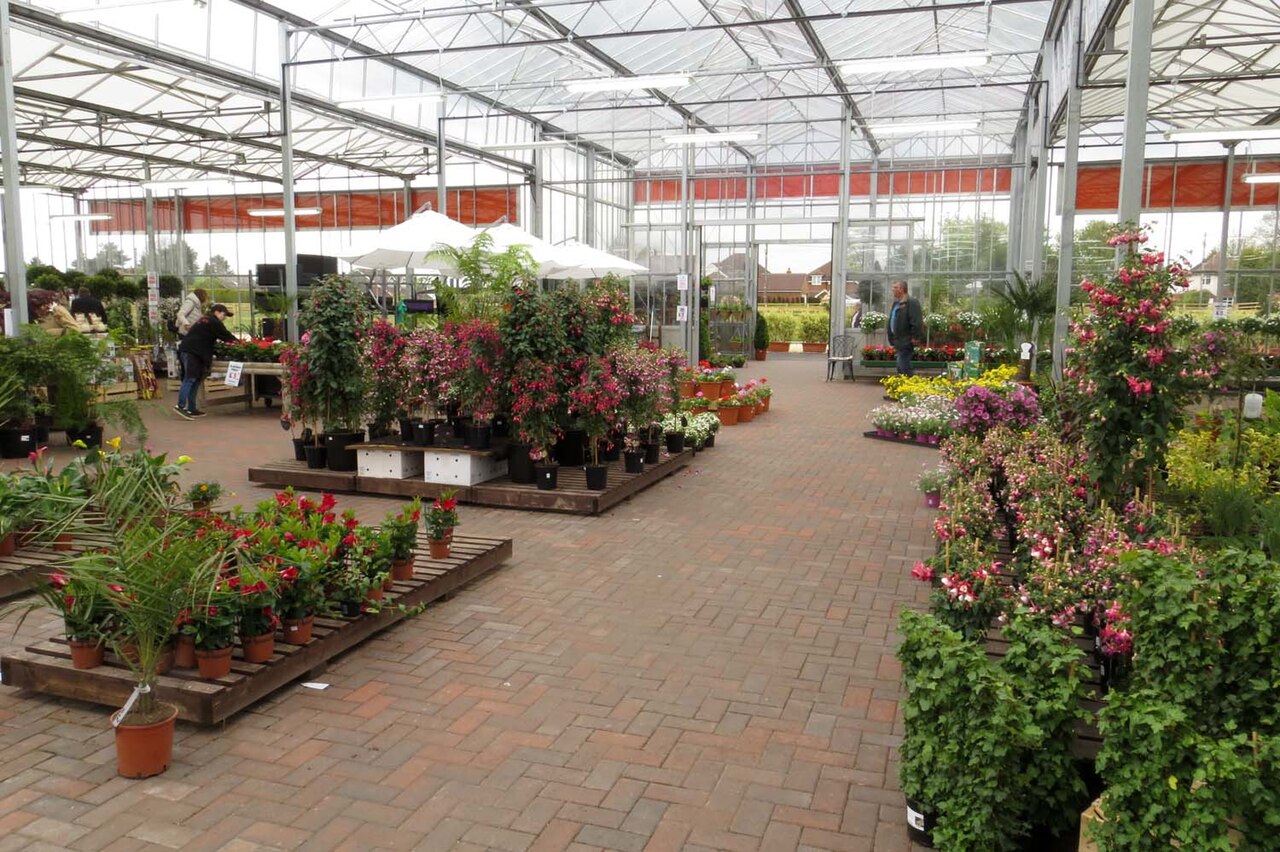
Stewart followed it in October 1961 with a purpose-built centre at Christchurch, Garden-Lands, opened by his friend the television gardener Percy Thrower. Others soon followed. In south-east London, Arthur Cooling had founded a market garden at Chislehurst in 1913; his son Michael joined him in 1955, and the family began garden-centre trading that same year, selling fertilisers, compost and sundries alongside their plants. Today Coolings runs centres in Kent and Sussex, among them The Gardener's Garden Centre at Knockholt and Coolings Wych Cross on the edge of Ashdown Forest.
In west London, the Squire family had run a nursery at Twickenham since the 1930s, and in 1964 Colin Squire opened the family's first garden centre there, one of the earliest purpose-built centres in the country. Squire's is still family-owned, now with centres across Surrey, Sussex, Berkshire and west London, including Squire's Milford and Squire's Frensham. Haskins began even earlier, as a market garden in Poole founded in 1882; four generations on, the family runs a small group of large destination centres, among them Haskins Snowhill near Crawley.
By 1966 the new trade was large enough to need its own voice, and a Garden Centres Group was formed within the Horticultural Trades Association (HTA). It became independent in 1979 and took the name the Garden Centre Association (GCA) in 1986, which is why the association is celebrating its 60th anniversary in 2026.
From Nursery to Grand Day Out
Over the following decades garden centres grew far beyond plants. Cafés came first, then restaurants, farm shops and food halls, gift and homeware departments, aquatics, pet shops and play areas. The biggest are now true destinations, where a family can spend most of a day, and many are set in landscaped display gardens that are a pleasure in themselves.
Webbs Wychbold in Worcestershire is a fine example, a family-run centre with a food hall, restaurant and its Riverside Gardens. In the north, Bents Garden & Home near Warrington began in 1937, when Alfred and Margaret Bent sold roses from their front garden, and Barton Grange Garden Centre near Preston combines plants, home decor, a farm shop and a restaurant. In Yorkshire, Tong Garden Centre is one of the county's biggest independents, on a 17-acre site.
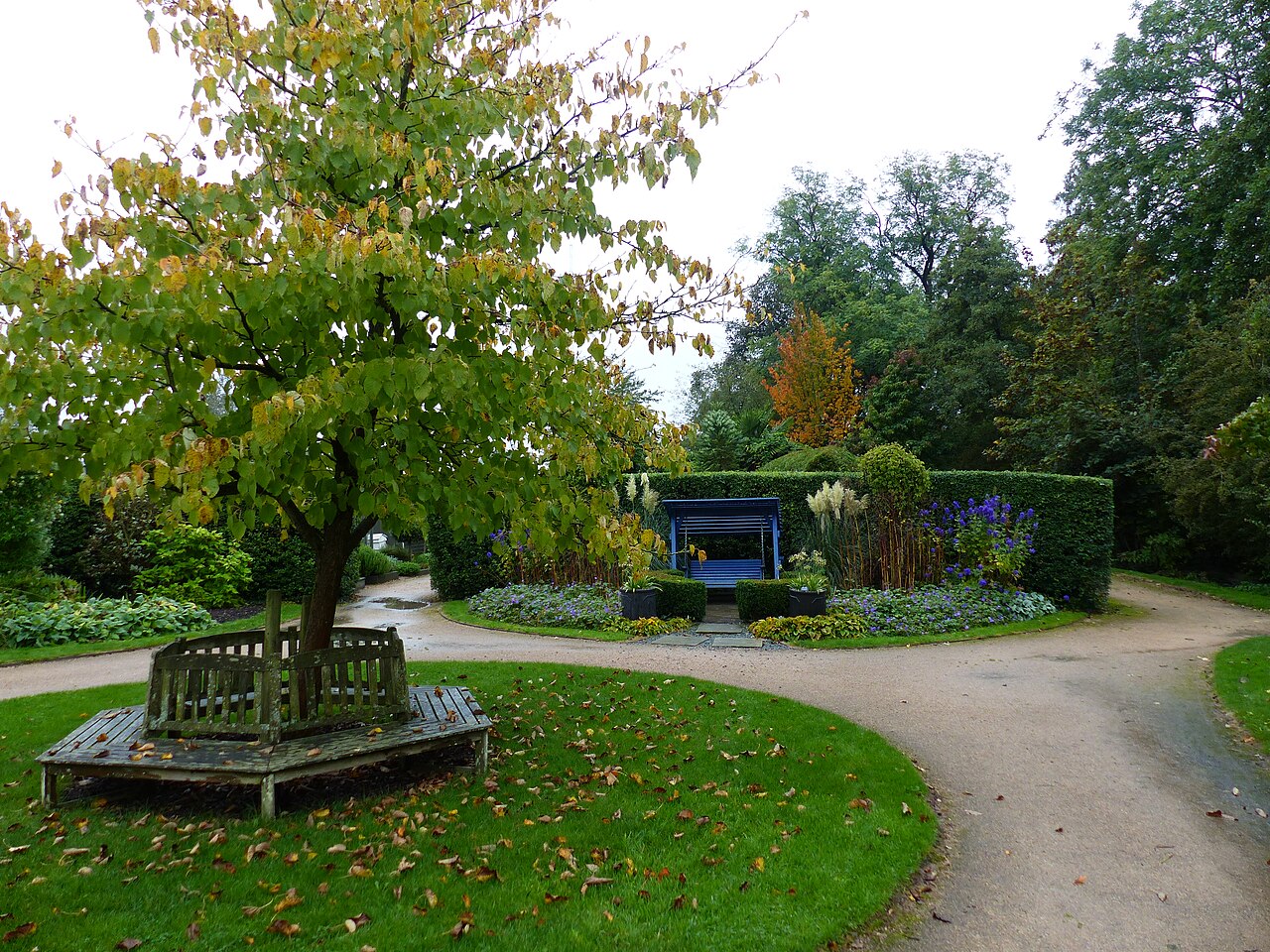
Food has become a serious part of the offer: Squire's Frensham has been named UK Garden Centre Food Hall of the Year, and Creative Gardens Bushmills on the Causeway Coast is known for its award-winning restaurant. Yet the best centres never forget the plants. Pennells Garden Centre Lincoln belongs to a family business established in 1780, one of the oldest in the trade, and offers a five-year guarantee on hardy plants.
A Nation of Gardeners: Horticulture in Britain
Britain's love of garden centres grows out of a much older love of plants. The Royal Horticultural Society began as the Horticultural Society of London, which held its first meeting on 7 March 1804 at Hatchards bookshop in Piccadilly, and became 'Royal' in 1861. It is now the UK's leading gardening charity, with about 609,000 members in 2024/25.
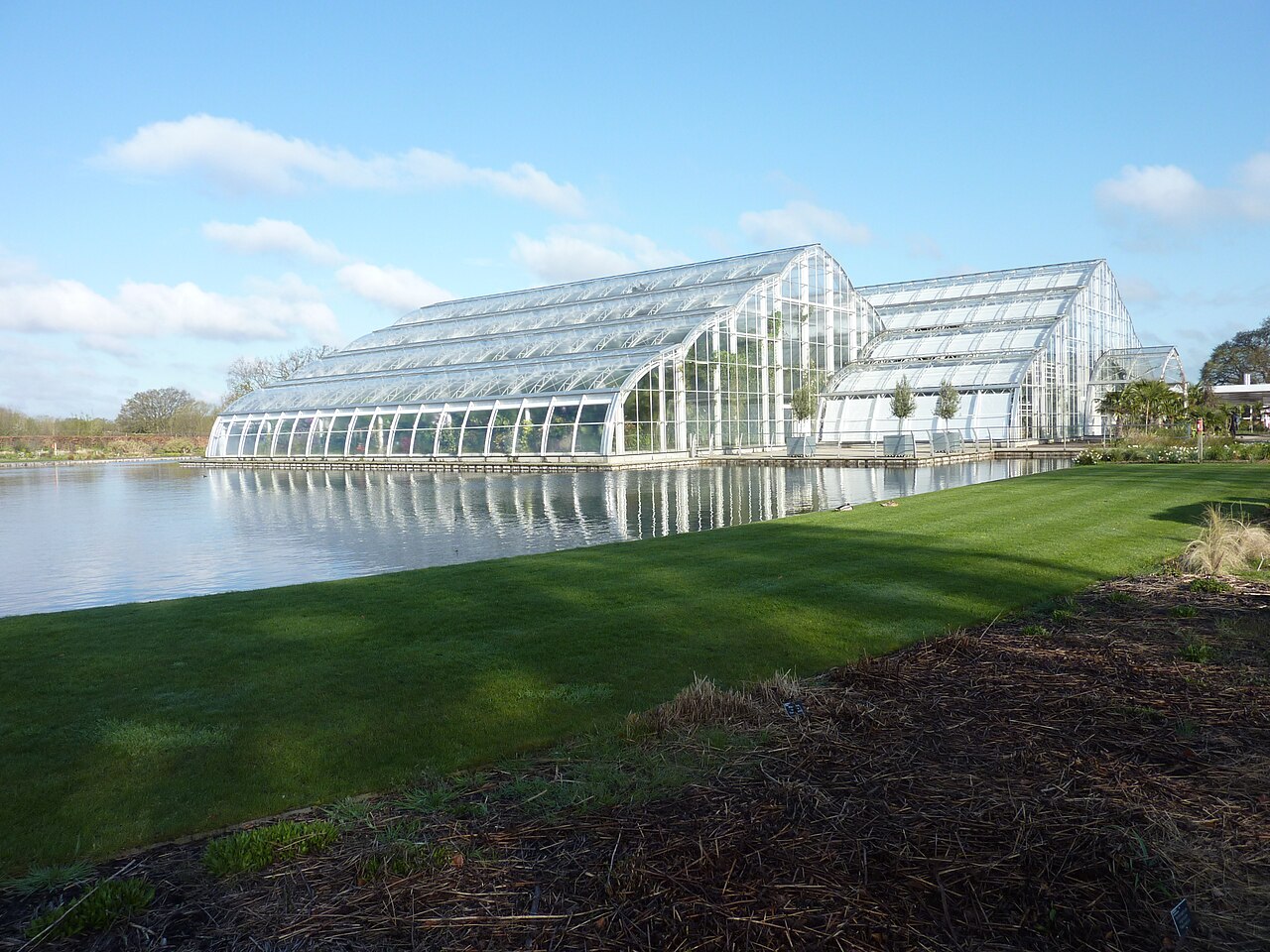
The RHS has five gardens, each with a plant centre where you can buy what you have just admired in the borders. RHS Garden Wisley in Surrey, given to the society by Sir Thomas Hanbury in 1903, is the oldest, and its Plant Centre is one of the best places in the country to buy plants. RHS Garden Rosemoor in Devon followed in 1988, RHS Garden Hyde Hall in Essex in 1993 and RHS Garden Harlow Carr in Yorkshire in 2001, and the newest, RHS Garden Bridgewater in Salford, opened in May 2021. The society's shows, from Chelsea to Malvern and Tatton Park, are in our garden shows and events calendar.
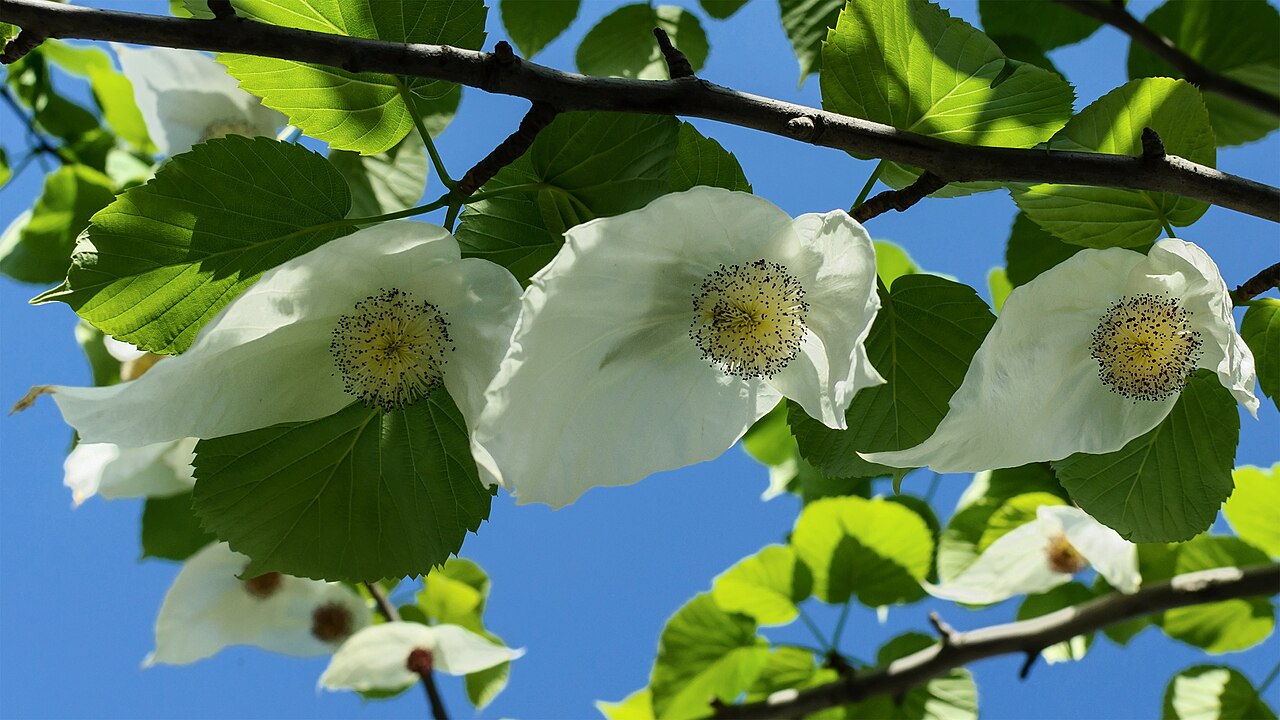
Many of the plants on garden-centre benches today arrived in Britain thanks to the plant hunters of the 19th and early 20th centuries. The great Veitch nurseries of Exeter and Chelsea sent collectors around the world and had introduced 1,281 plants by the First World War. Their most famous collector, Ernest Wilson, was sent to China in 1899 to find the handkerchief tree, Davidia involucrata, whose white bracts flutter like handkerchiefs in May; you can see one in many of the great gardens in our gardens to visit.
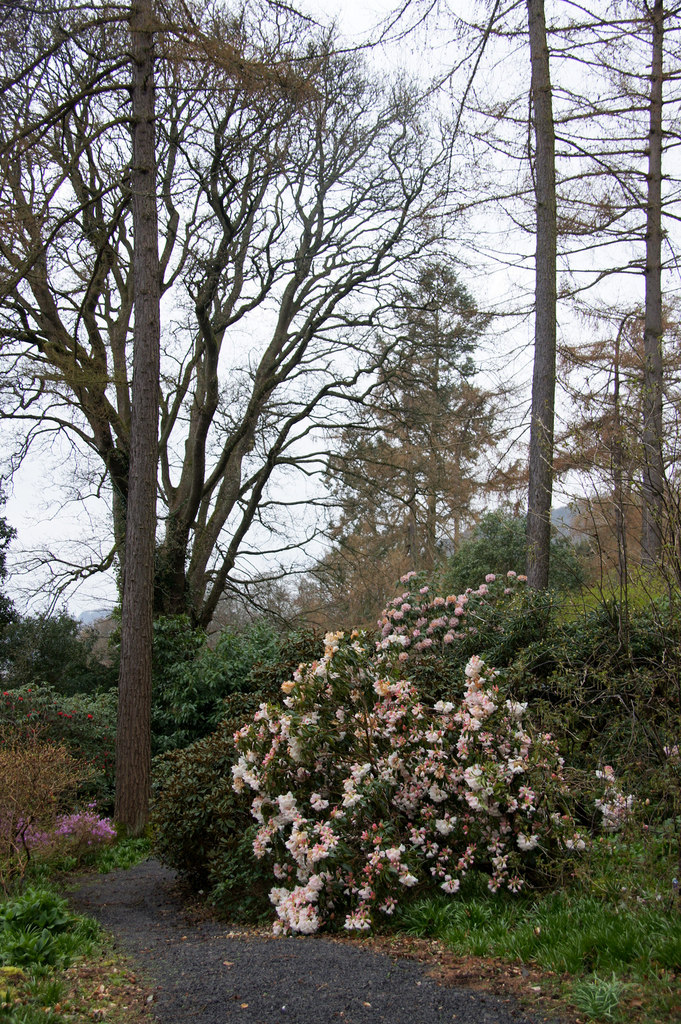
In 1919 the young Scottish plantsman Euan Cox travelled to Upper Burma with the plant hunter Reginald Farrer on what became Farrer's last expedition. Back home at Glendoick, near Perth, Cox built a great collection of rhododendrons, and in 1953 it became the basis of a nursery, later run by his son Peter and grandson Kenneth. Glendoick Garden Centre, opened in 1973, is still the place to buy rhododendrons and azaleas in Scotland, with the family's woodland garden close by.
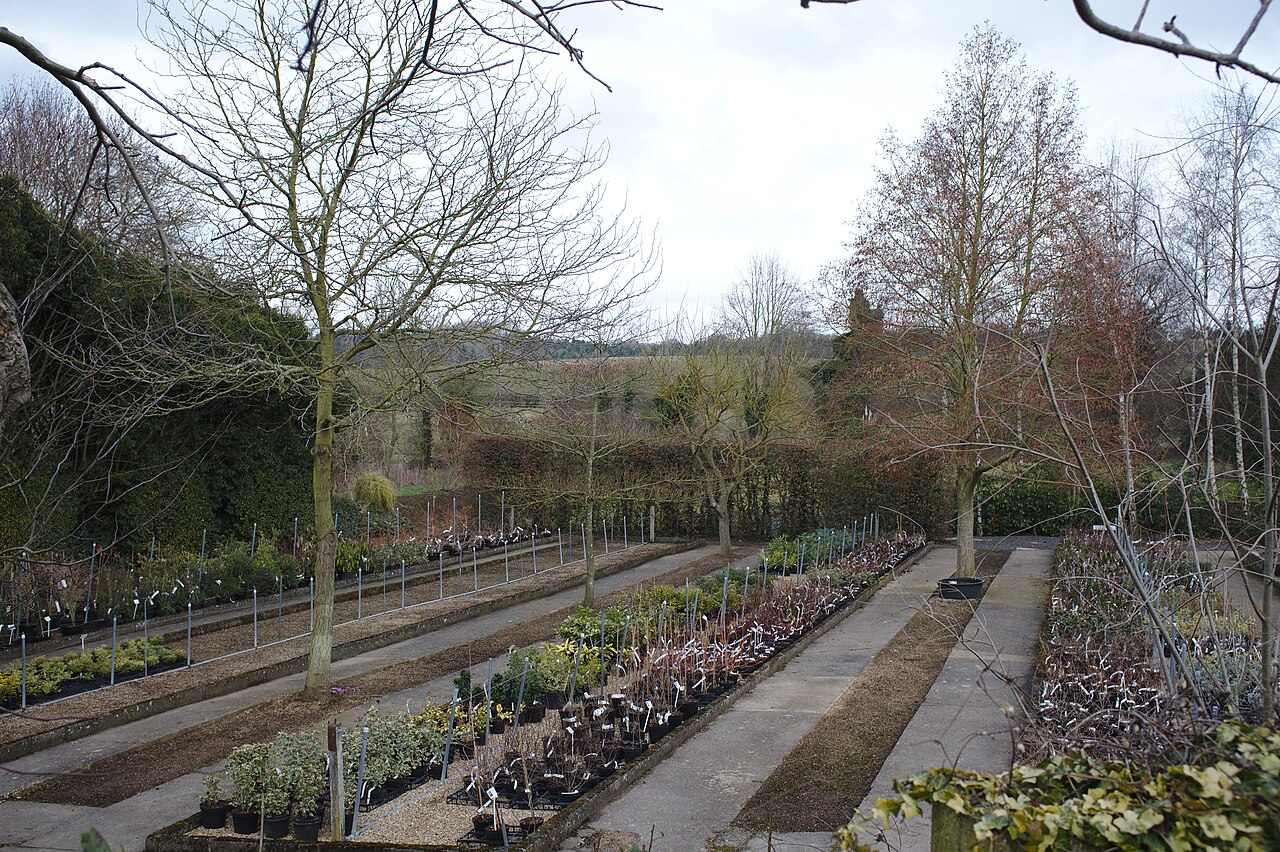
Britain's specialist growers carry that tradition on. Notcutts was founded in Suffolk in 1897 by Roger Crompton Notcutt, a chrysanthemum breeder who bought an old nursery at Woodbridge that year; the family's first garden centre opened in the town, where you will find Notcutts Woodbridge today. Some of our favourite plant specialists sell online, delivering across the UK: David Austin Roses for English roses, Thompson & Morgan for seeds and young plants, and Crocus for almost everything else; see our online plant shops.
Two changes are reshaping what you find on the benches. The first is British-grown plants: more centres now grow their own, and Coolings' Knockholt nursery grows over 65 per cent of what The Gardener's Garden Centre sells. The second is peat-free compost. Peat bogs store huge amounts of carbon and are home to rare wildlife, so growers and gardeners are moving to composts made from materials such as wood fibre, bark and coir. The RHS has gone further still: since 1 January 2026, its gardens, shops and shows have all been 'no new peat'.
The Garden Centre Industry Today
Gardening is big business. In 2023, according to the HTA, people in the UK spent around £9 billion on garden retail products, including about £2 billion on outdoor plants and £700 million on houseplants.
A 2024 report by Oxford Economics found that the wider environmental horticulture and landscaping industry contributed £14.4 billion directly to UK GDP in 2023 and directly employed 378,000 people, 77,000 of them in retailing; including the jobs it supports in its supply chains and through spending, its footprint was some 722,000 jobs. Garden tourism, from the great gardens to the shows, added a further £1.8 billion.
Above all, garden centres live by the weather. The HTA's monthly figures show sales jumping in a warm, dry spring and dipping in a cold or wet one: in 2026 the association described April 2025, after a sunny spring, as an exceptional month for garden centres.
The Garden Centre Association Awards
The Garden Centre Association now represents more than 200 garden centres, and its awards are among the most respected in the trade. Member centres are inspected each year, and the highest-scoring centres are named Garden Centre of the Year in each region, in three categories: Destination, for the largest centres; Garden Centre; and Local, for smaller neighbourhood centres.
Many of the winners are in our directory. In the 2025 regional awards, Ruxley Manor Garden Centre was the South East's Destination Garden Centre of the Year, Coolings Nurseries took the South East Garden Centre award and The Millbrook Garden Company Staplehurst the Local award. In the East, the winners were Perrywood Tiptree and Poplars Garden Centre; in the North, Barton Grange, Fron Goch Garden Centre and Fairways Garden Centre in Macclesfield; and in the Midlands, Wales and West, Planters Garden Centre in Tamworth and the Old Railway Line Garden Centre near Brecon.
The national winners are announced at the association's conference each January. At the 60th-anniversary conference at Carden Park in Cheshire, on 26 January 2026, Ruxley Manor won the Barton Grange Trophy for Commercial Creativity and Innovation. A GCA award on the door is a good sign of a well-run centre with healthy plants and knowledgeable staff.
The Garden Centre Year
Spring (March to May)
The busiest season of the year. Seed potatoes, onion sets and vegetable seeds arrive first, followed by perennials, shrubs in flower and, from May, summer bedding and hanging baskets. Hold back tender plants until the frosts are over.
Summer (June to August)
Patio plants, roses and perennials are at their peak, and it is the time to buy plants in flower and see exactly what you are getting. Late summer brings the first spring bulbs and autumn bedding.
Autumn (September to November)
The best time to plant. Daffodils, crocuses and alliums go in from September, tulips in October and November, and bare-root roses, hedging and fruit trees arrive as the season turns.
Winter and Christmas (December to February)
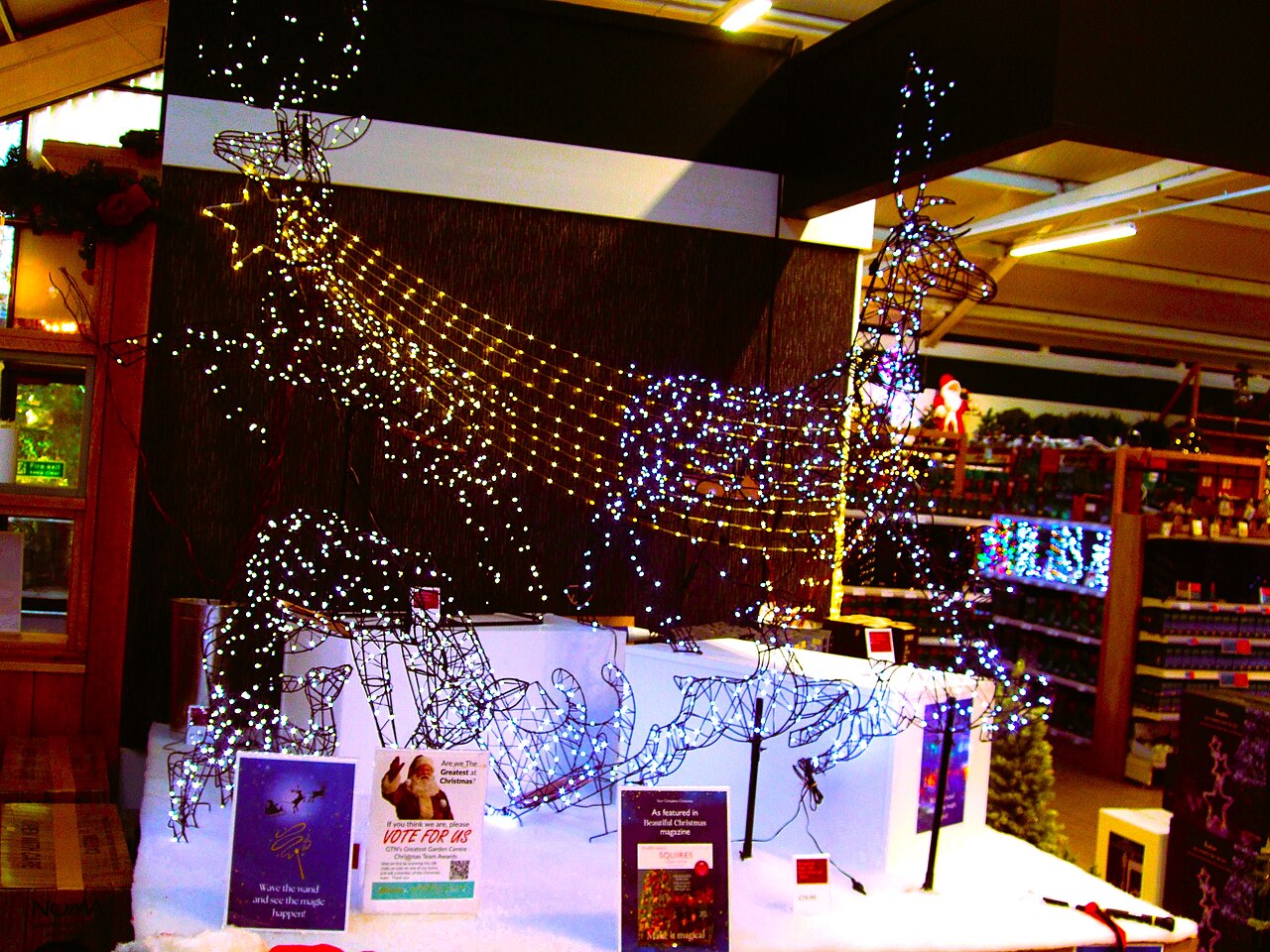
Many garden centres transform for Christmas, with real trees, wreaths, lights and decorations, and for many families a visit to see the displays is part of the season. In January and February, look for hellebores, snowdrops and winter-flowering shrubs.
Getting the Best from Your Visit
Choose healthy plants. Look for sturdy, bushy plants with plenty of buds rather than ones already in full flower, and fresh green leaves without yellowing, spots or holes. Turn a leaf over to check for pests. Gently ease the plant from its pot if you can: white, healthy roots that fill the compost are good, but a solid mat of circling roots, or roots growing out of the drainage holes, means the plant has sat in its pot too long.
Go early, and go midweek. Weekday mornings are quieter, and the staff have more time to answer your questions. In spring, plants sell fast on sunny weekends, so if you want a particular variety, go before it is gone.
Buy in season. Bare-root roses, hedging and fruit trees are best value from late autumn to early spring, and bulbs are freshest when they first arrive in late summer. Wait to buy tender bedding until the risk of frost has passed in your area.
Ask about guarantees and clubs. Many centres guarantee their hardy plants for a year or more, and most run loyalty clubs, which typically bring member discounts, events and talks. Keep the receipt and the plant label, which tells you how big the plant will grow and where it likes to be.
Make a day of it. Pair your visit with a garden: RHS Garden Wisley and its plant centre, or Glendoick with its woodland garden in May, make a perfect day out. Our garden shows and events calendar lists the RHS shows and Christmas light trails.
Garden Centres Region by Region
Every garden centre in our directory has been checked, and each region's page includes our pick of the online plant shops that deliver nationwide. Choose a region to see the best garden centres near you:
- The best garden centres in the South
- The best garden centres in the East
- The best garden centres in the North
- The best garden centres in the West and South West
- The best garden centres in Wales
- The best garden centres in Scotland
- The best garden centres in Northern Ireland
- Plants, seeds & roses online, delivered UK-wide
Our Advice
Our advice: Treat a garden centre visit as a day out, not a chore: go early, pair it with a garden or a show, and leave room for lunch. Buy plants that are healthy, bushy and in bud, plant hardy shrubs and bulbs in autumn, and look for the family-run centres and GCA award-winners in our directory, where the plants are grown with care and the staff really know what they are talking about.
Facts checked October 2026. Sources: stewarts.co.uk · news.dorsetcouncil.gov.uk · coolings.co.uk · thedirt.news · gardenforum.co.uk · notcutts.co.uk · gca.org.uk · hta.org.uk · rhs.org.uk · rhs.org.uk · Wikipedia: Royal Horticultural Society · Wikipedia: Veitch Nurseries · Wikipedia: Euan Hillhouse Methven Cox. Opening times, ranges and awards change, so please check before you travel.