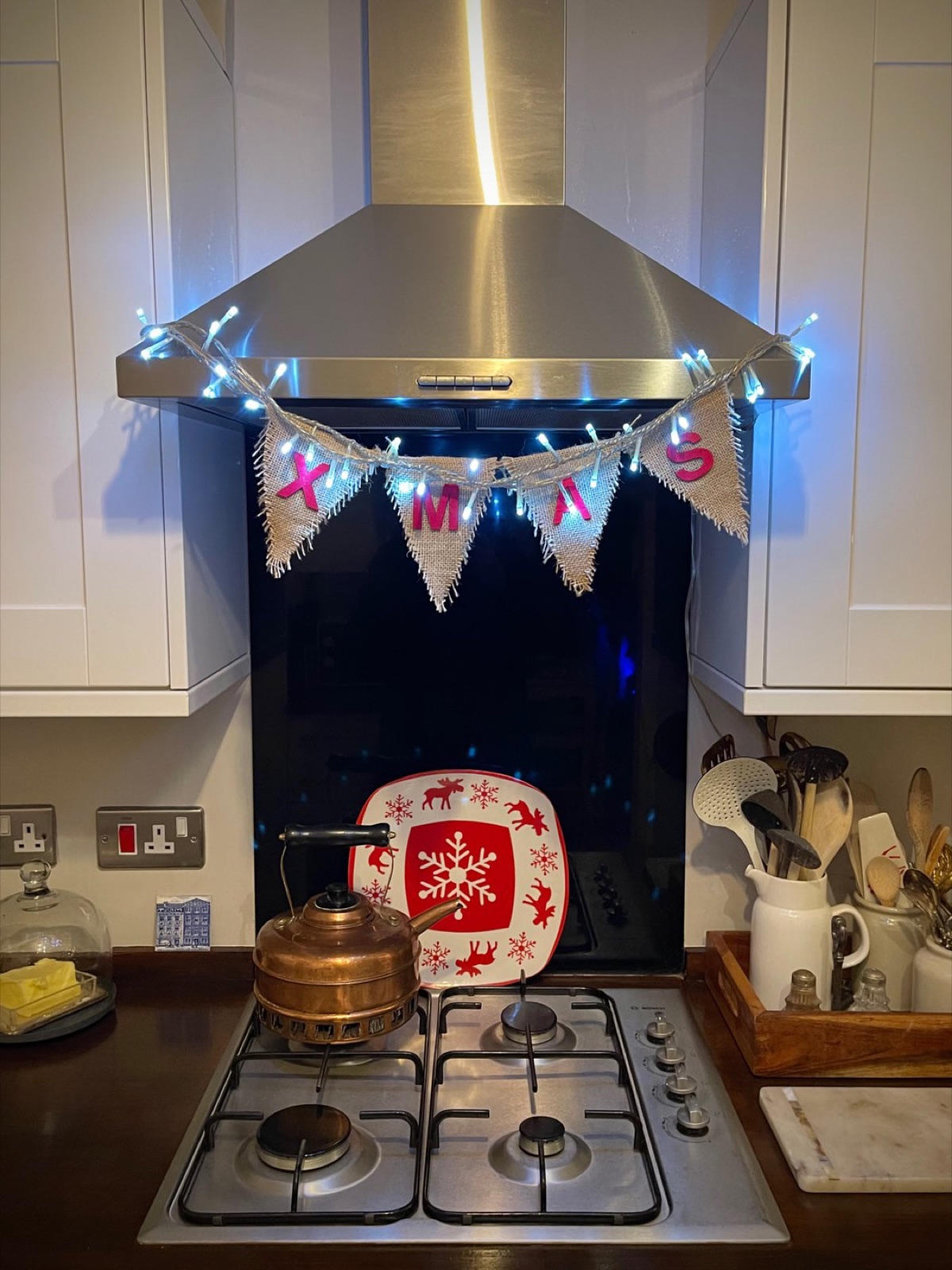
The Kitchen
An English Christmas
Stockings, crackers, a roast with all the trimmings and a pudding set alight
By Tara de la Motte
I adore every part of an English Christmas, and so much of it still runs on Victorian lines. On Christmas Eve the children hang their stockings and set out a mince pie and a sherry for Father Christmas, with a carrot for the reindeer, and many of us head out for carols or Midnight Mass.
Photograph: Tara de la Motte
Tara de la Motte
Christmas morning
Christmas morning begins with the stockings, then presents beneath the tree, and plenty of families walk off breakfast before lunch. Every place at the table has a cracker, which bangs open to release a paper crown, a little prize and a joke apparently chosen for being bad; the crowns stay on to the end. At 3pm much of the country pauses for the King’s broadcast, a custom since 1932.
The cracker, a London invention
I love that the cracker was born in London. Tom Smith, a confectioner on Goswell Road in Clerkenwell, met the French bon-bon, a sugared almond in a twist of tissue paper, on a trip to Paris, and began tucking small love mottoes into his own. He patented his first cracker in 1847, and his son Walter later added the paper hats.
The lunch
The meal comes in the early afternoon, and it is always a roast. The classic is turkey, goose keeps a devoted following, and some of us would rather carve a gammon or a beef Wellington. The trimmings count for just as much as the bird: pigs in blankets, goose-fat roast potatoes crisp at the edges, sprouts with garlic and bacon, parsnips and carrots roasted with honey, braised red cabbage, and bread sauce, cranberry sauce and gravy to go round with it all.
My own advice for the cook: do everything you can the day before, from peeling the vegetables to setting the table, so that on the day you can enjoy a glass of something sparkling with everyone else. Warm the plates, and never be afraid to accept help with the washing up.
The pudding
Then comes the Christmas pudding, also called plum or figgy pudding, dark and rich, steamed from suet, dried fruit, brandy and spice. By custom it is made on Stir-up Sunday, the last Sunday before Advent (22 November this year), named for the day’s prayer in the 1549 Book of Common Prayer: “Stir up, we beseech thee, O Lord”. Each member of the family stirs from east to west, for the three wise men, and makes a wish, and some households still drop in a silver coin for luck.
Mince pies and the Christmas cake
All December long there are mince pies, little shortcrust tarts filled with dried fruit and spice, best served warm under a snowfall of icing sugar, and the Christmas cake, a dense fruit cake fed with rum or brandy, then dressed in marzipan and royal icing. In some homes a sherry trifle closes the meal instead.
Boxing Day
And then Boxing Day, a day I love for its gentleness: long walks and leftovers, bubble and squeak above all, yesterday’s potatoes and vegetables fried up together, or a ploughman’s lunch of bread, cheese and pickle. In 2026 it falls on a Saturday, so the bank holiday moves to Monday 28 December. No trains run on Christmas Day and few on Boxing Day, so plan any outing well ahead.
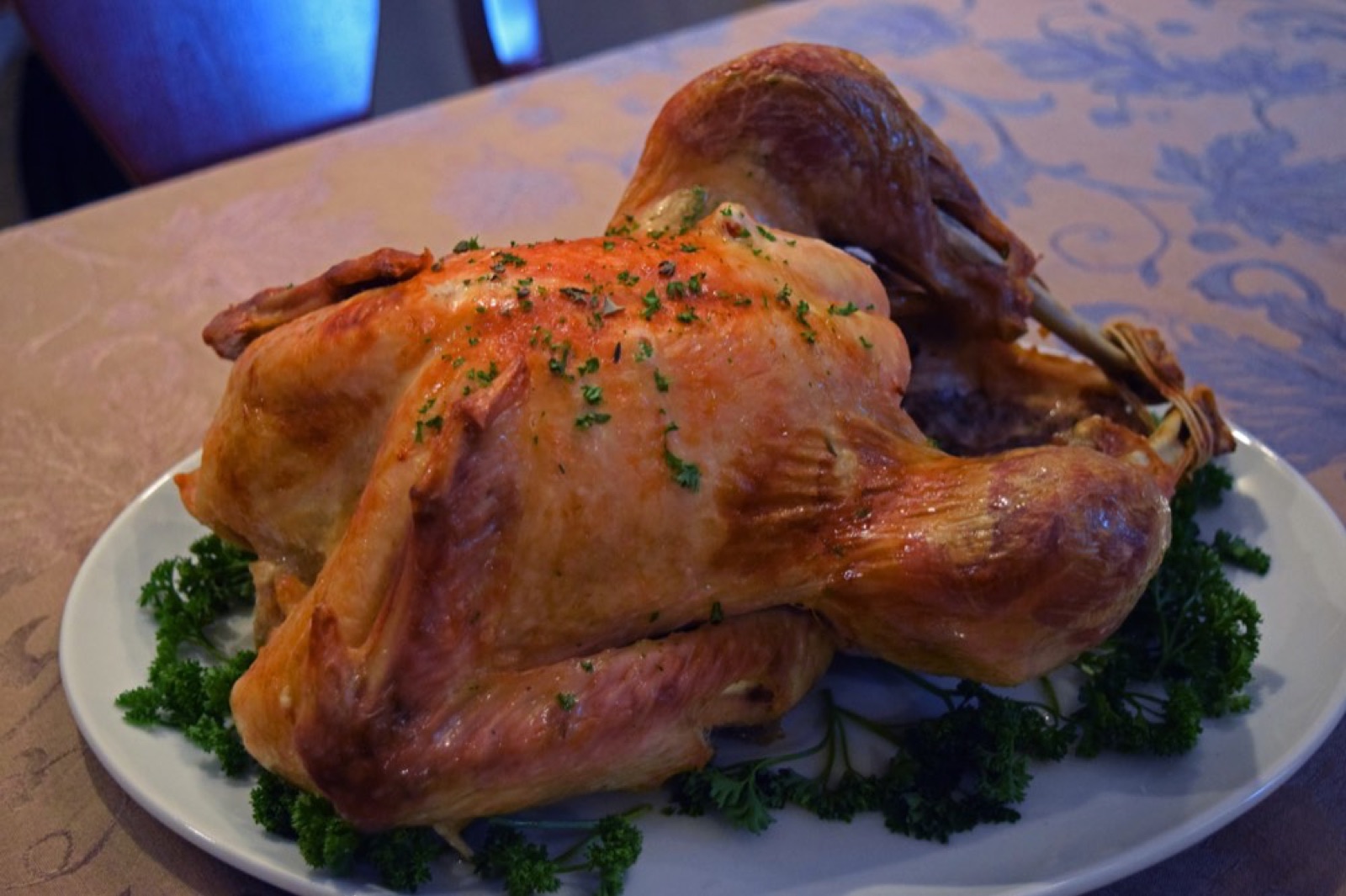
Photograph: Mark Miller, CC BY-SA 4.0, Wikimedia Commons
Tara de la Motte