Beauty Spots · Argyll & Stirling
Loch Lomond & the Trossachs: Scotland's First National Park & the Best Walks
Loch Lomond & The Trossachs National Park lies just north of Glasgow, where the Lowlands meet the Highlands. It was the first of Scotland's two National Parks, formally established on 1 July 2002.
Why Loch Lomond & the Trossachs Is Special
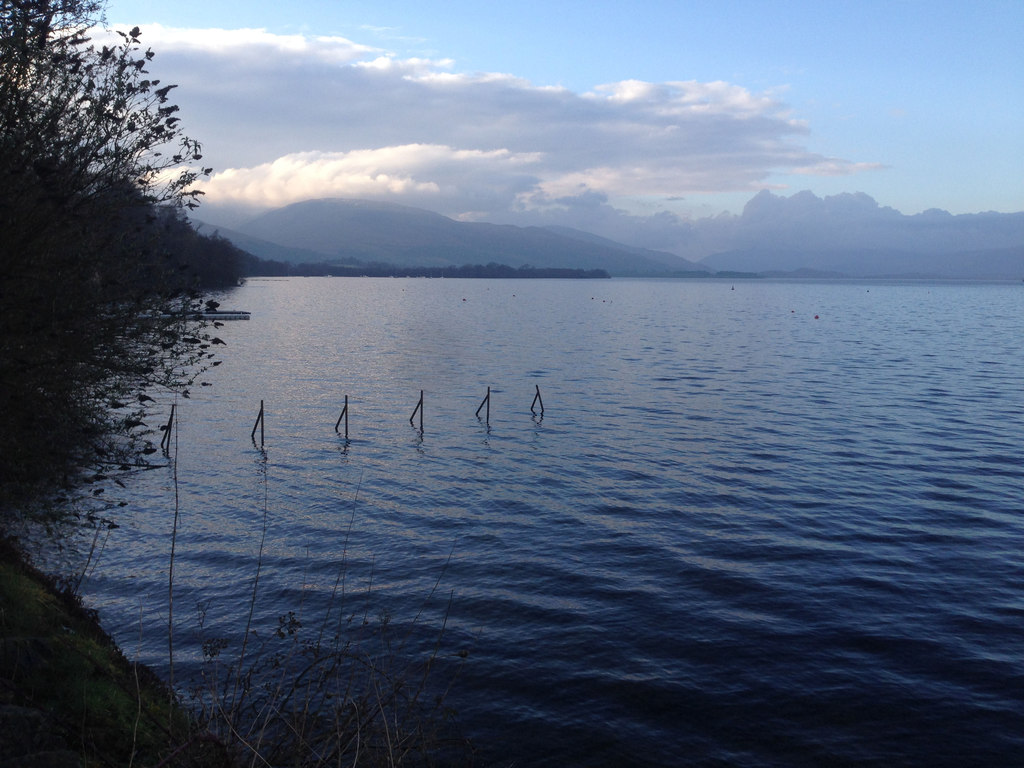
Within an hour of Glasgow you can be on the bonnie banks of Loch Lomond, island-hopping by boat or climbing Ben Lomond, with the wooded lochs and hills of the Trossachs just to the east.
The park includes 21 Munros and some of the best-loved scenery in Scotland, celebrated in song and story for two centuries.
The History of Loch Lomond & the Trossachs
Loch Lomond is the largest lake in Great Britain by surface area, scattered with wooded islands. On its eastern shore rises Ben Lomond, 974 metres high, the most southerly of Scotland's Munros.
The Trossachs became famous in the early 19th century through the poetry of Sir Walter Scott. His poem The Lady of the Lake (1810) was set around Loch Katrine, and visitors have flocked there ever since; today the steamship Sir Walter Scott still sails on the loch.
The park was designated under the National Parks (Scotland) Act 2000, one of the first laws passed by the Scottish Parliament.
What to See & the Best Walks at Loch Lomond & the Trossachs
Visit the village of Luss on the western shore, with its cottages and pier, and take a boat trip among the islands. Climb Ben Lomond on a clear day, or the smaller Conic Hill above Balmaha for a view along the Highland Boundary Fault.
In the Trossachs, take a cruise on Loch Katrine and cycle the quiet road along its shore, and visit the town of Callander and the Falls of Leny.
Wildlife at Loch Lomond & the Trossachs
Ospreys fish the lochs in summer, red deer roam the hills and capercaillie live in the old pine woods. The islands of the loch are home to fallow deer, and Inchcailloch is a nature reserve.
Gardens, Countryside & Antiques near Loch Lomond & the Trossachs
See the Loch Lomond & The Trossachs National Park listing, and walk part of The West Highland Way along the eastern shore. Families enjoy Blair Drummond Safari and Adventure Park near Stirling.
For antiques, the Scottish Antique and Arts Centre, Doune is close by, and gardeners can visit Benmore Botanic Garden on the Cowal peninsula.
Loch Lomond & the Trossachs Through the Seasons
Spring brings bluebells to the oak woods by the loch. Summer is the season for boating and island picnics. Autumn colours the Trossachs, and winter brings snow to Ben Lomond.
Getting to Loch Lomond & the Trossachs
Trains from Glasgow run to Balloch at the south end of the loch, and the West Highland line stops at Arrochar & Tarbet and Ardlui. Buses serve Luss and the Trossachs.
Loch Lomond & the Trossachs: Questions & Answers
How high is Ben Lomond?
974 metres. It is the most southerly of Scotland's Munros.
When did Loch Lomond become a National Park?
On 1 July 2002, the first National Park in Scotland.
Our Advice
Our advice: Take the train to Balloch and a boat up the loch, and save a second day for Loch Katrine and the Trossachs.
Facts checked October 2026. Sources: Wikipedia: Loch Lomond and The Trossachs National Park · lochlomond-trossachs.org. Opening times and prices change, so please check before you travel.